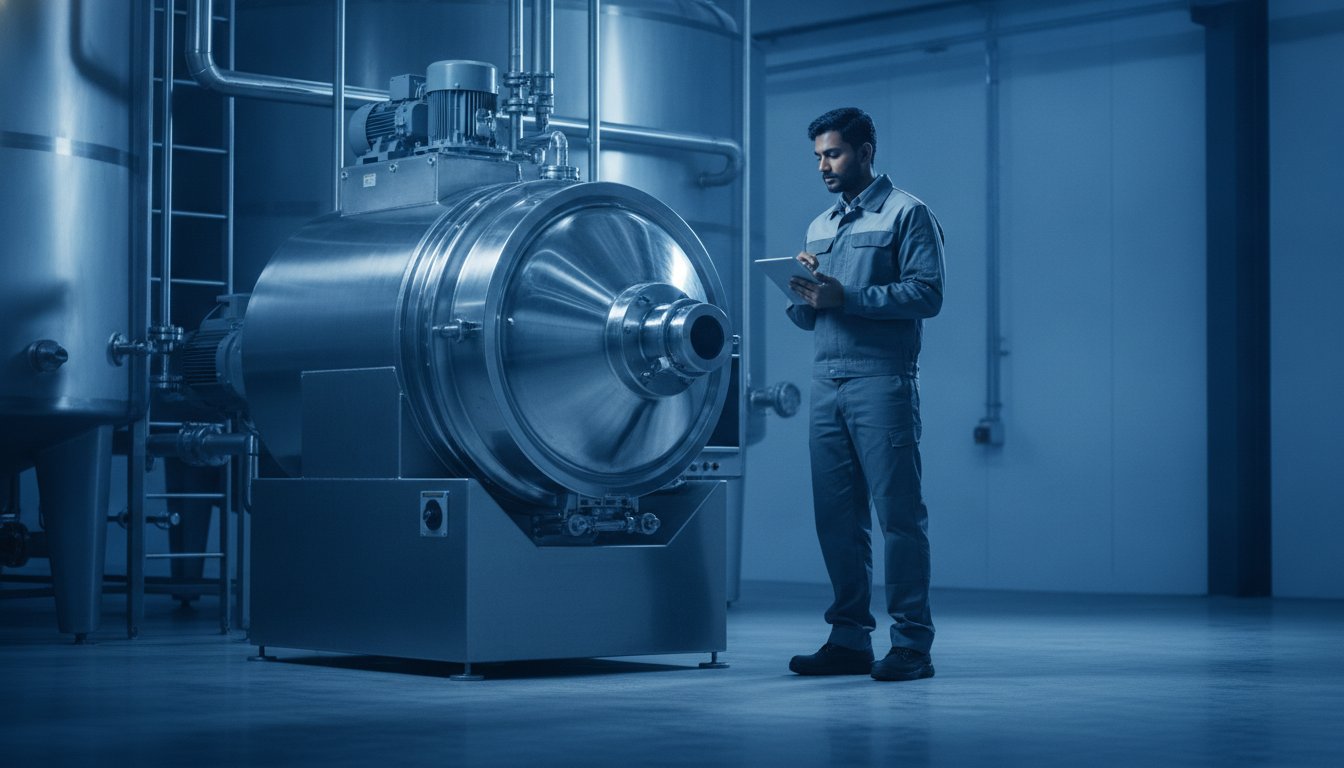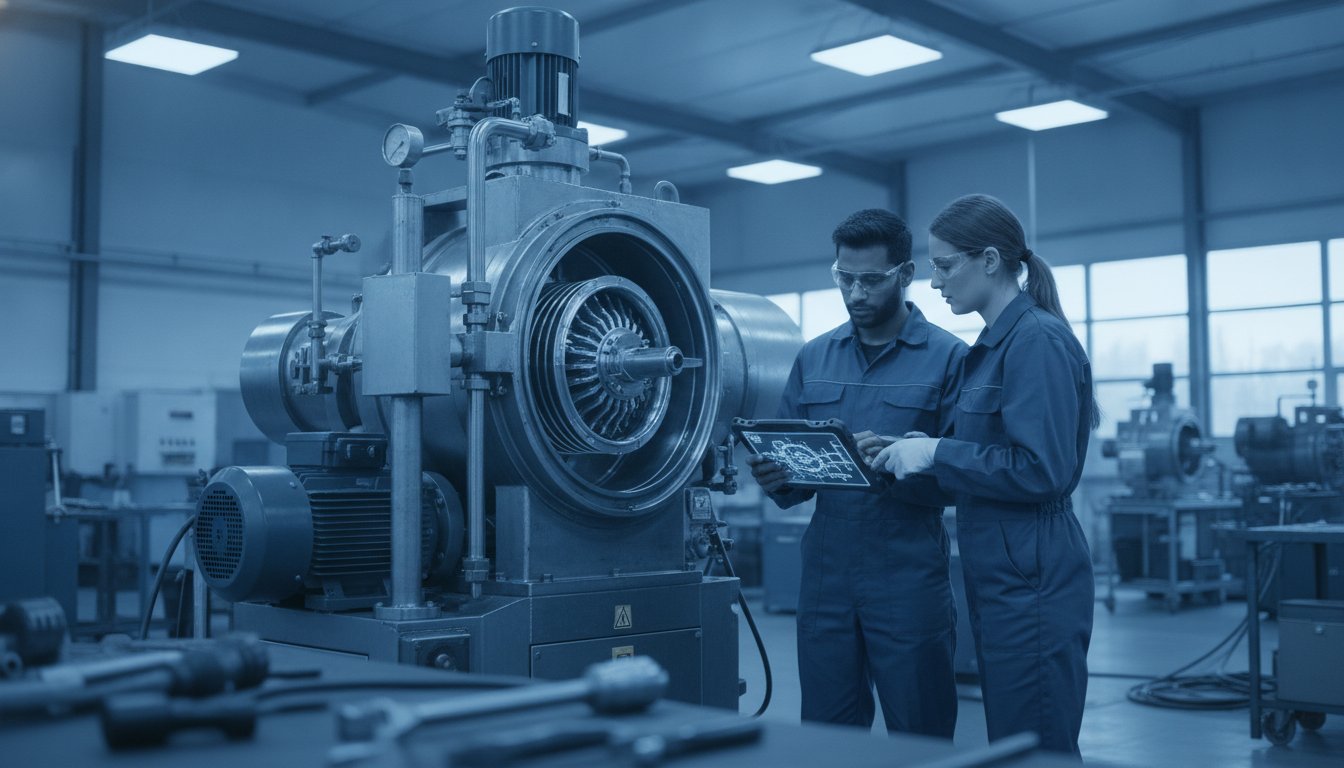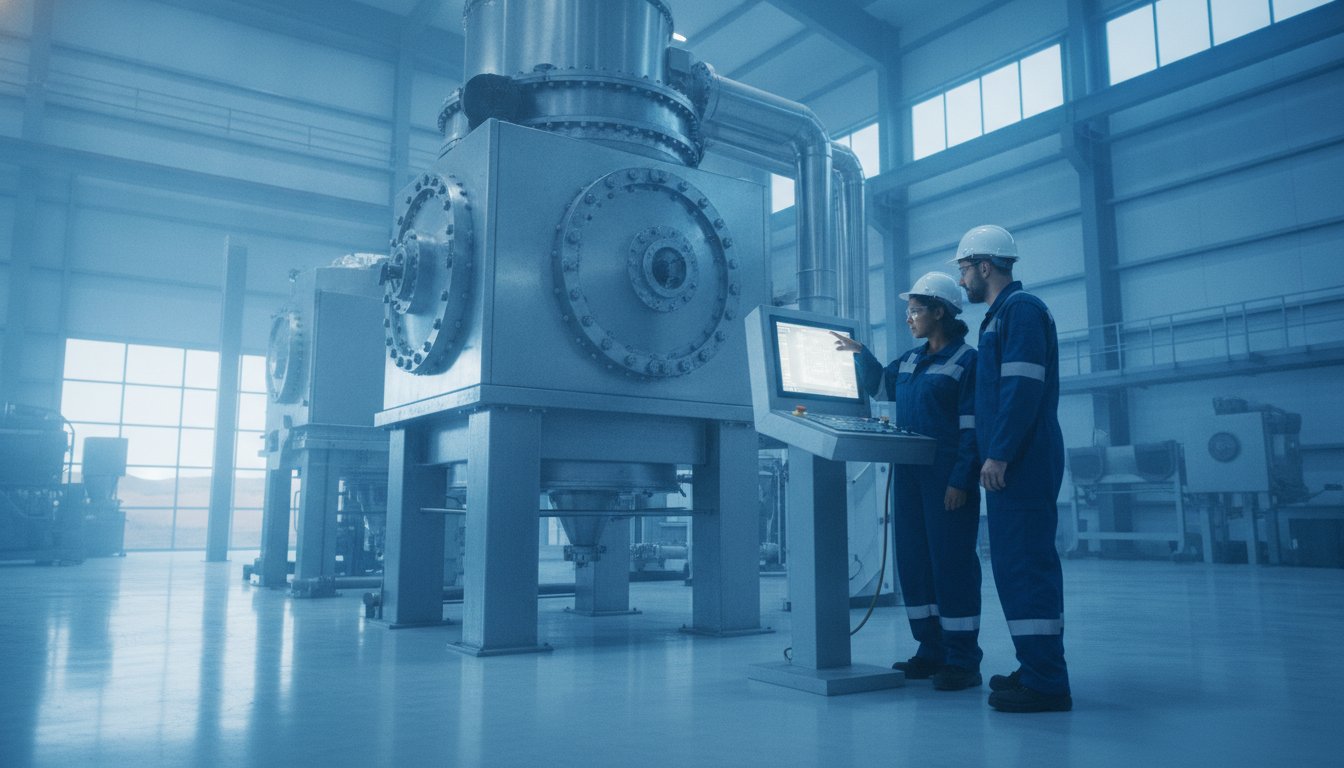
Used Hosokawa Alpine Mill: A Buyer’s Guide to Precision Grinding (2026)

Achieving sub-10 micron particle sizes doesn’t require a seven-figure investment in factory-fresh German engineering. While the Hosokawa Alpine name remains the global benchmark for powder processing, the capital expenditure for new machinery can be prohibitive for many Australian operations. You’re likely looking at a used Hosokawa Alpine mill because you need the precision of a classifier or pin mill without the extended lead times of a new build. It’s a pragmatic choice, especially as the used equipment market has stabilized in 2026, with well-maintained machines offering a reliable alternative to the rising costs of new European imports.

We understand the concern that a pre-owned unit might hide internal wear that compromises your particle size distribution. This guide provides a technical framework for evaluating the mechanical integrity of these systems, from inspecting rotor tolerances to assessing the condition of integrated classifier wheels. You’ll learn how to master the selection process to ensure your investment achieves specific micron targets and long-term reliability. We will cover critical inspection points, the benefits of sourcing locally to avoid complex international biosecurity hurdles, and how to integrate your mill with necessary peripheral equipment like stainless steel tanks, feeders, and conveyors.

Key Takeaways

  • Learn to distinguish between impact and air classifying technologies to match your equipment selection to specific material hardness and heat sensitivity.
  • Identify the critical wear points in a used Hosokawa Alpine mill that directly impact particle size distribution and operational longevity.
  • Understand the relationship between housing speed and motor power to maximize throughput without over-stressing the mill’s internal components.
  • Discover why local Australian procurement is the most pragmatic way to navigate biosecurity inspections and 2026 import regulations.
  • Streamline your facility setup by sourcing compatible stainless steel tanks and conveyors alongside your primary grinding unit.

The Strategic Advantage of Sourcing a Used Hosokawa Alpine Mill

Hosokawa Alpine has defined the technical standard for dry and wet grinding technology for over a century. Their machinery is synonymous with narrow particle size distributions and repeatable results across thousands of cycles. Opting for a used Hosokawa Alpine mill isn’t just a budget-conscious decision; it’s a calculated move to acquire elite European engineering that maintains its precision long after the initial purchase date. In the 2026 industrial market, where new equipment costs remain high, the secondary market offers a reliable path to high-performance milling.

These mills are versatile tools in modern manufacturing. They’re found in pharmaceutical labs, chemical plants, and mineral processing facilities. In specialized sectors like Powder Metallurgy Overview, the precision of an Alpine classifier is vital for producing the consistent grain sizes required for high-performance components. Beyond performance, repurposing these machines supports industrial sustainability. It prevents the energy-intensive process of smelting and machining new heavy-duty castings, giving a second life to high-quality steel and reducing the overall carbon footprint of your facility.

Alpine Engineering: Built for Industrial Longevity

The endurance of an Alpine mill stems from its over-engineered grinding chamber and high-tolerance bearings. German manufacturing standards prioritize mechanical stability, which allows these units to handle high-stress processing environments for decades. A pre-owned Alpine unit often provides better vibration dampening and thermal stability than modern, lower-cost alternatives. Because the brand is a global leader, the secondary market for parts is mature. You won’t struggle to find rotors, pins, or classifier wheels, which protects your investment against obsolescence and ensures your maintenance team can keep the line running at peak efficiency.

Cost-Benefit Analysis for MOFU Buyers

Financial pragmatism is the primary driver for many Australian plant managers. A new European-built mill often requires a lead time of six to twelve months, which can delay your time-to-market. A used Hosokawa Alpine mill is typically available for immediate inspection and relocation, allowing for rapid scaling of your production capacity. The capital expenditure savings are substantial compared to new models. These funds can then be allocated to other essential components of the grinding line. You can source compatible used stainless steel tanks, dust collectors, or conveyors from the same local inventory to ensure a seamless integration. This strategy lowers the initial investment risk while providing a faster return on capital through earlier production starts.

Comparing Core Technologies: UPZ, ACM, and Contraplex Systems

Selecting the correct milling technology depends entirely on the physical properties of your feed material. You must determine if your process requires high-velocity impact, attrition, or sophisticated air classification to reach your target particle size distribution (PSD). Understanding the fundamental principles of size reduction is the first step in this technical evaluation. Impact and shear forces define how a material fractures; choosing a used Hosokawa Alpine mill that aligns with these principles ensures you don’t over-process or under-grind your product. Each Alpine system utilizes a different mechanical approach to achieve micronization.

The UPZ Fine Impact Mill: Versatility in Grinding

The UPZ series is the most flexible unit in the Alpine lineup. Its primary advantage is the use of interchangeable grinding inserts, including pin discs, plate beaters, and swing beaters. This allows a single machine to adapt to various friable materials and medium-hard products. When you’re inspecting a pre-owned UPZ, focus on the grinding track and the integrity of the inserts. While these components are designed for replacement, excessive wear on the housing itself can indicate a history of processing abrasive materials beyond the machine’s intended scope. It’s a workhorse for chemical and food applications where product variety is common.

The ACM Air Classifying Mill: Precision Micronization

For applications requiring a sharp top-size cut-off, the ACM Air Classifying Mill is the industry benchmark. It integrates a grinding rotor with an internal classifier wheel, allowing only particles that meet the size criteria to exit the system. This internal recirculation reduces over-grinding and energy waste. In the 2026 market, the ACM 30 and 60 series are prized for their ability to manage heat-sensitive powders through high air-flow rates. This cooling effect is critical for resins and chemicals with low melting points. The precision of the classifier wheel is the most important factor to verify during a technical inspection.

Contraplex Wide-Chamber Mills: Tackling Greasy Materials

Contraplex wide-chamber mills utilize two counter-rotating pin discs to achieve extremely high relative speeds. This dual-drive configuration is essential for processing greasy, oily, or hygroscopic materials that tend to build up in standard mills. The wide-chamber design provides more space for material flow, which prevents clogging. While the operational complexity is higher due to the dual-drive system, the ability to achieve fine powders from difficult materials often justifies the investment. If you’re comparing these technologies for a new production line, reviewing a current inventory of used process machinery can provide a practical look at the auxiliary requirements, such as dust collectors and feeders, needed for each system.

Key Technical Specifications for Evaluating Pre-Owned Mills

Evaluating a used Hosokawa Alpine mill requires a thorough review of the original engineering plate. Motor power, typically measured in kilowatts (kW), must align with your intended throughput. A mill sized for 500kg/hr will fail if the motor is under-specced for the specific density of your material. Similarly, you must check the maximum housing and door speeds. High RPM ratings are necessary for ultra-fine results, but they also accelerate component fatigue. You should verify that the bearing cooling systems are functional. Continuous operation at high speeds generates significant thermal stress that can degrade lubricants and lead to premature mechanical failure.

Metallurgy and Surface Finish Requirements

The choice between 304 and 316 stainless steel is vital for sanitary applications. While 304 is standard for most industrial powders, 316 offers superior corrosion resistance for chemical or pharmaceutical products. If your process involves high humidity or corrosive cleaning agents, ensuring the mill is paired with high-quality Used Stainless Steel Tanks for upstream or downstream storage is essential to maintain batch purity. Examine the grinding chamber for wear-resistant liners. If the liners are thin or pitted, factor the replacement cost into your purchase price. Food-grade finishes, often measured in Ra values, must be inspected for scratches that could harbor bacteria or cross-contaminate batches.

Drive Systems and Electrical Compatibility

Many older Alpine models were designed for fixed-speed operation. When buying a used Hosokawa Alpine mill, you must assess if the motor is compatible with a Variable Frequency Drive (VFD). A VFD allows you to tune the rotor speed to achieve precise particle size distributions. Ensure the electrical components match the Australian 50Hz grid. If the unit was sourced from a 60Hz region, you will likely need to replace motors or adjust pulley ratios to maintain performance. Inspect the drive belts and pulleys for alignment and tension. Safety interlocks on the grinding chamber door are non-negotiable; they must be tested to ensure the rotor cannot spin while the door is open, protecting your operators and the equipment.

Used Hosokawa Alpine Mill: A Buyer’s Guide to Precision Grinding (2026)

Inspection Checklist: Assessing Mechanical Integrity and Performance

A technical audit is the only way to ensure a used Hosokawa Alpine mill meets your performance expectations. These machines operate at extreme velocities; therefore, minor imbalances or wear patterns can escalate into catastrophic failures if they aren’t identified early. You should start by requesting the original manufacturer documentation and service history. This allows you to verify if the current internal configuration matches the machine’s design intent. In the 2026 market, reputable sellers often provide evidence of non-destructive testing (NDT), such as dye penetrant or ultrasonic testing on the rotor assembly. These tests identify micro-fractures that aren’t visible to the naked eye but pose significant risks during high-RPM operation.

Internal Grinding Element Inspection

Open the grinding chamber and examine the primary impact elements. For pin mills, look for uneven wear or “necking” at the base of the pins. If you’re inspecting a beater mill, check for erosion on the leading edges of the beaters and the integrity of the sieve inserts. Evidence of a past “crash”—where metal-on-metal contact has occurred—is a major red flag. Look for deep scoring on the housing or the rotor face. You should use feeler gauges to measure the tolerances between the rotor and the housing. If these gaps exceed the original factory specifications, your particle size distribution will be inconsistent. Material contamination, such as fused plastic or metallic shards stuck in the grooves, suggests the machine was poorly maintained or used for incompatible materials.

Bearing and Seal Verification

When evaluating a used Hosokawa Alpine mill, the condition of the drive end is just as vital as the grinding chamber. Ask for a test run and listen for any abnormal high-pitched whining or low-frequency rumbling. These noises often indicate bearing fatigue or poor lubrication. Check the seal areas for oil leaks or signs of grease migrating into the process zone. Contaminated grease can ruin food-grade or pharmaceutical batches. Bearing run-out is the total variation in the shaft’s position relative to its axis of rotation during a full turn, and it remains a critical metric for 2026 mill inspections to prevent mechanical fatigue. If the run-out exceeds a few microns, the machine will require a costly spindle rebuild.

If you need assistance verifying the condition of a specific unit or require professional decommissioning, the team at F.A. Maker provides technical assessments and machinery relocation services to ensure your equipment is production-ready. We can help you navigate the complexities of moving high-precision grinding lines safely within Australia.

Sourcing and Relocating Your Hosokawa Alpine Equipment in Australia

Procuring a used Hosokawa Alpine mill within Australia offers distinct logistical advantages over international auctions. While overseas listings might appear cheaper at first glance, the hidden costs of 2026 import duties, GST, and strict biosecurity inspections can quickly erode any perceived savings. Used machinery entering Australia is subject to rigorous cleanliness checks by the Department of Agriculture, Fisheries and Forestry (DAFF). Buying locally eliminates the risk of your equipment being held at the border or requiring expensive offshore cleaning. It also allows for a hands-on technical inspection before the purchase is finalized, ensuring the mechanical integrity matches your operational requirements.

Professional Machinery Relocation Services

Moving a high-precision grinding line isn’t a standard freight task. These mills are heavy, yet their internal components are sensitive to vibration and misalignment. Specialized lifting equipment is required to decommission the unit without damaging the spindle or housing. During re-installation, achieving perfect leveling is essential to prevent bearing run-out and excessive vibration at high RPMs. F.A. Maker provides in-house machinery relocation services that cover the entire process from decommissioning to final positioning. Our team understands the technical requirements of German-engineered equipment, ensuring that your used Hosokawa Alpine mill transitions to your production floor without compromising its factory tolerances.

Completing the Process Line

A mill rarely operates in isolation. To achieve a turnkey solution, you must integrate the grinding unit with reliable peripheral equipment. If your feed material is too large for direct micronization, you might need to source matching used hammer mills for the pre-crushing stage. This staged approach reduces the load on the Alpine unit and extends the service life of its grinding elements. It’s a pragmatic way to manage wear and maintain consistent throughput.

Liquid-based processes or cleaning-in-place (CIP) systems will require specific fluid handling components. You can find technical guidance on sourcing used industrial pumps to ensure your valves and pumps are compatible with the chemical properties of your product. Pairing your mill with appropriate screw conveyors and dust collectors from a single local vendor simplifies the procurement process. This holistic approach allows you to build a complete, synchronized production line while maintaining a lower capital expenditure. We act as a stable partner in this process, leveraging decades of industry experience to help you navigate these technical investments with confidence.

Securing Your Precision Grinding Future

Investing in a used Hosokawa Alpine mill is a strategic decision that balances technical performance with financial responsibility. By selecting a unit that aligns with your material’s specific friability and heat sensitivity, you ensure consistent particle size distribution without the overhead of new equipment. Success in the secondary market depends on a rigorous inspection of internal tolerances and a clear understanding of your facility’s electrical and logistical requirements. Taking a methodical approach to these specifications ensures that your pre-owned machinery operates with the same reliability as a new build.

F.A. Maker has been Australia’s leading used equipment specialist since the 1920s, providing the technical expertise needed to evaluate and relocate high-precision machinery. Our extensive stock of stainless steel process vessels and auxiliary equipment allows you to build a complete, integrated production line from a single, reliable source. We manage the complexities of machinery relocation and transport, ensuring your mill is installed with the precision its German engineering demands.

View Our Current Inventory of Used Industrial Mills and find the right solution for your 2026 production targets.

Frequently Asked Questions

How do I determine the right rotor speed for my material on an Alpine mill?

Use the material’s Mohs hardness and the target micron size to set the initial tip speed. Alpine mills usually provide a range of RPM settings on the engineering plate. For friable materials, lower speeds prevent over-grinding, while harder minerals require higher velocities. It is best to start with a conservative setting and increase the RPM gradually while monitoring the particle size distribution through laboratory analysis to find the optimal balance.

What is the typical lifespan of a used Hosokawa Alpine mill?

A well-maintained Alpine mill can operate for 30 to 40 years or more in industrial environments. The heavy-duty German castings and robust bearing housings are designed for longevity. While internal wear parts like pins and beaters require regular replacement, the main housing and drive assembly are extremely durable. Purchasing a used Hosokawa Alpine mill that has been serviced regularly ensures you receive a machine with significant remaining operational life.

Can I upgrade an older Alpine mill with modern control systems?

Yes, older mechanical units are frequently retrofitted with modern Variable Frequency Drives (VFDs) and PLC-based control panels. These upgrades allow for more precise speed control and better integration with factory automation systems. Modernizing the electrical components improves energy efficiency and provides real-time monitoring of motor load and bearing temperatures. This change helps older machines meet current safety and efficiency standards without requiring a total mechanical overhaul or replacement.

What are the main differences between the UPZ and ACM models?

The UPZ is a versatile impact mill using interchangeable grinding inserts, while the ACM is an air classifying mill with an integrated classifier wheel. The UPZ relies on mechanical impact and screen size for fineness. In contrast, the ACM uses air flow and centrifugal force to achieve a sharper top-size cut-off. Use the ACM for heat-sensitive materials or when you need a very narrow particle size distribution for your final product.

Is it possible to source spare parts for Alpine mills manufactured before 2000?

Sourcing parts for older Alpine models is generally straightforward because Hosokawa maintains a comprehensive global supply chain. Many wear components, such as pins and grinding tracks, have standardized dimensions that haven’t changed significantly over several decades. Additionally, specialized engineering firms in Australia can manufacture precision-matched replacement parts if original OEM components have long lead times. This availability makes older units a safe long-term investment for most manufacturing and processing facilities.

How do I calculate the throughput capacity of a second-hand mill?

Throughput is determined by the motor power, the material’s bulk density, and the required fineness. You should refer to the original manufacturer’s performance curves if they are available. As a general rule, finer grinding targets significantly reduce the hourly capacity. For example, a mill processing material at 50 microns will have a much higher throughput than the same machine targeting 5 microns. Testing a small sample is the most accurate way to verify capacity.

Are used Alpine mills suitable for pharmaceutical applications?

Yes, provided the mill is constructed from 316-grade stainless steel and features a high-quality surface finish. Pharmaceutical-grade units must be capable of being fully disassembled for cleaning to prevent cross-contamination. When evaluating a used Hosokawa Alpine mill for this sector, check for sanitary seals and the absence of dead zones in the grinding chamber. You must also ensure the machine meets current Good Manufacturing Practice (GMP) standards for your specific production region.

What safety features should I look for in a used grinding system?

Primary safety features include electronic door interlocks, vibration sensors, and explosion vent panels for combustible dusts. The door interlock must prevent the motor from starting while the grinding chamber is open. In Australia, the system should comply with AS 4024 machinery safety standards. You should also verify the condition of the emergency stop circuit and ensure all drive belts are enclosed in protective guards to prevent operator injury during daily operation.
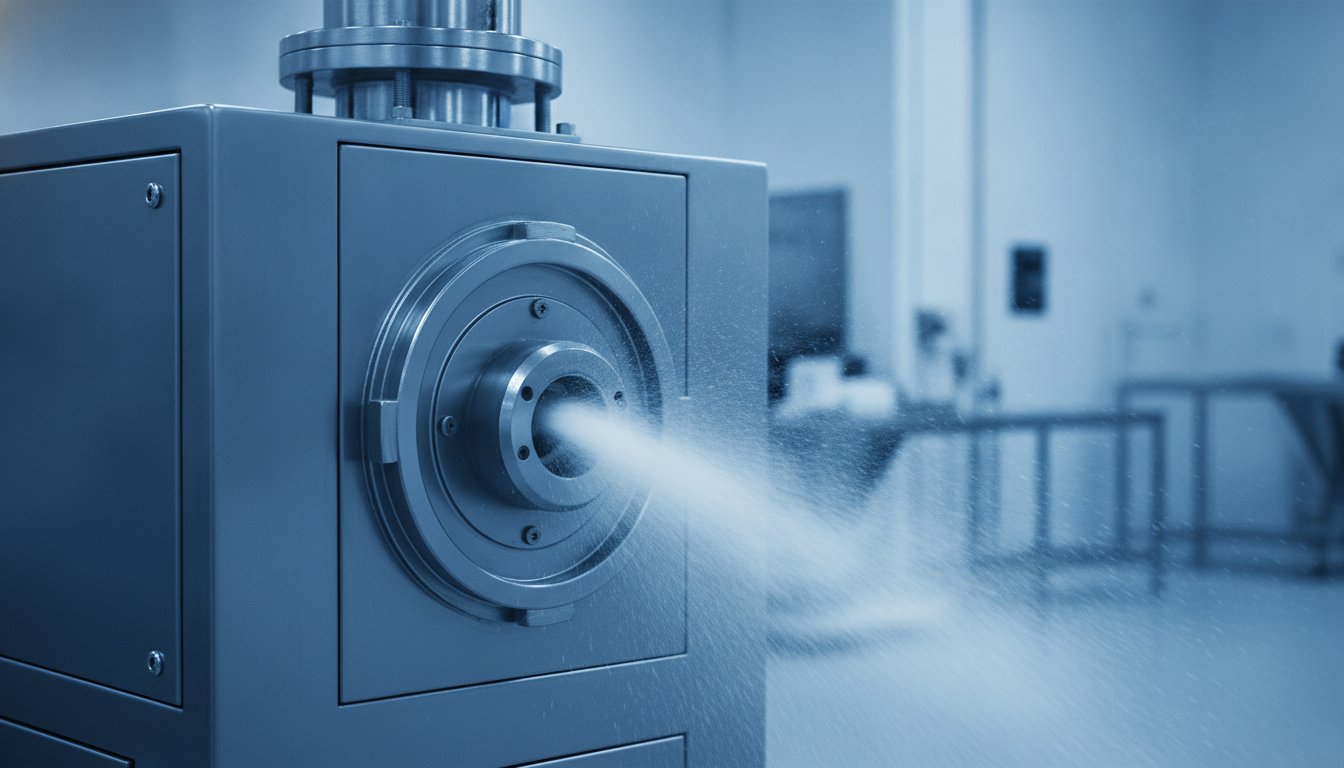
Industrial Pin Mills: Guide to Fine Micronization

Can your current milling setup achieve a sub-100 micron finish without scorching your product or blowing your energy budget? For many Australian processing facilities, the struggle with inconsistent particle size distribution is a persistent bottleneck that impacts both product quality and the bottom line. You likely understand that when you’re dealing with heat-sensitive spices or specialized pharmaceutical powders, even a minor temperature spike during the grind can compromise the entire batch.

This guide demonstrates how industrial pin mills for grinding deliver the precise, ultra-fine results necessary for high-specification food, chemical, and pharmaceutical processing. We’ll explore the technical mechanics of high-speed impact and how these machines maintain material integrity through cooler operation. You’ll also learn how to achieve these specific micron sizes while reducing capital expenditure by sourcing reliable, pre-owned equipment from a trusted industry veteran. We’ll move from the basic principles of pin mill operation to the granular details of selecting the right machinery for your specific operational needs.

Key Takeaways

  • Understand how high-speed centrifugal impact zones achieve ultra-fine micronization through a combination of impact and attrition.
  • Learn why industrial pin mills for grinding are the preferred choice for heat-sensitive materials where maintaining material integrity is critical.
  • Determine the exact processing scenarios where pin mills offer superior precision compared to standard hammer mills.
  • Gain practical insights into evaluating the condition of used machinery to ensure reliability while reducing lead times and upfront costs.
  • Explore the diverse applications across food, pharmaceutical, and chemical sectors, from grinding spices to processing specialized resins.

What is an Industrial Pin Mill? Defining Precision Grinding

A Pin mill is a specialized high-speed centrifugal impact mill engineered for the precise reduction of dry, friable materials. While traditional milling methods often rely on heavy compression or slow attrition, industrial pin mills for grinding utilize high-velocity impact zones to achieve ultra-fine particle sizes, often referred to as micronization. This technology has evolved from basic mechanical crushing into a sophisticated process where material is fed into the center of the mill and propelled outward through rows of alternating pins. The result is a consistent output that meets the stringent requirements of modern industrial standards. This transition from older, less efficient hammer mills to pin-on-pin technology has allowed processors to reach finer targets with fewer passes.

The Role of Pin Mills in Modern Manufacturing

Achieving a tight particle size distribution (PSD) is no longer a luxury; it’s a necessity for product quality. In sectors like pharmaceutical manufacturing or food processing, the solubility and texture of a powder depend entirely on its micron profile. Since the early 2020s, there’s been a distinct industry shift toward energy-efficient fine grinding. Manufacturers are looking for ways to maximize throughput while minimizing the power draw. In Australian processing facilities, these mills have become a staple for operations that require high-capacity output without the massive footprint of larger ball mills. Reliable particle control is the primary driver for this adoption, as it ensures batch-to-batch consistency in demanding production environments. We’ve seen a growing number of Victorian and NSW-based facilities integrate these units to handle everything from specialized sugars to chemical resins.

Key Components of an Industrial Pin Mill

The effectiveness of the mill relies on the interaction between the rotor and stator. In a standard “pin-on-pin” configuration, one disc remains stationary while the other rotates at high RPMs. As material travels through these rows, it undergoes thousands of high-speed impacts. For most hygienic or corrosive applications, Stainless Steel 316 remains the industry standard due to its durability and ease of cleaning. It’s the go-to choice for dairy and food-grade operations across Australia. Additionally, the drive motor and variable speed controls are vital. By adjusting the RPM via a frequency inverter, operators can fine-tune the impact speed to hit specific micron targets. This level of control is why many veteran engineers prefer these units for sensitive material processing. High-quality bearings and robust housing are also critical to manage the heat generated during high-speed operation, preventing material scorching.

The Mechanics of Impact: How Pin Mills Achieve Fine Particle Sizes

The efficiency of a pin mill isn’t found in brute force but in the physics of high-speed collisions. While hammer mills use heavy flails to crush material, industrial pin mills for grinding rely on the kinetic energy of the particles themselves. Material enters the center of the rotor and is immediately subjected to centrifugal acceleration. As particles move toward the periphery, they’re forced through successive rows of pins. Each row increases the probability of a high-velocity impact. This process doesn’t just crush; it shatters material along natural cleavage planes, which is why it’s so effective for friable and crystalline substances.

Centrifugal Force and Particle Velocity

The path of a particle from the center feed to the outer discharge is a spiral of increasing velocity. By the time a particle reaches the outer rows of pins, it may be traveling at speeds exceeding 150 meters per second. These high-velocity collisions are what drive the size-reduction technology to achieve sub-100 micron results. The density of the pins also plays a role. More pins mean more frequent collisions, which increases the grinding intensity without necessarily requiring higher RPMs. Managing the airflow within the chamber is equally vital. The spinning rotor acts like a centrifugal fan, pulling air through the mill to sweep finished particles toward the discharge. This constant flow prevents “blinding” or material buildup on the pins. If you’re currently assessing your facility’s processing capacity, you can view our current inventory of mills to see how different rotor configurations handle varied material types.

Controlling Heat During the Grinding Process

Material heat sensitivity is a frequent challenge in industrial grinding. Traditional friction-based mills, such as stone or disc mills, generate significant thermal energy that can scorch delicate products. Pin mills offer a pragmatic solution. Because the residence time inside the grinding chamber is measured in milliseconds, there’s very little time for heat to transfer to the product. The high volume of air moving through the system also provides a natural cooling effect. This makes pin mills ideal for grinding sugar, spices, and oily resins that would otherwise melt or degrade. For extremely difficult, high-fat substances, some systems allow for the injection of liquid nitrogen. This cryogenic approach embrittles the material before it hits the pins. It ensures the substance shatters cleanly rather than smearing against the machinery. This level of thermal control is essential for maintaining the volatile oils and chemical integrity of the final product.

Pin Mills vs. Hammer Mills: Choosing the Right Grinding Technology

Selecting the appropriate milling technology is a critical decision that impacts both production efficiency and product quality. While both industrial pin mills for grinding and hammer mills fall under the category of impact mills, they serve distinct operational niches. The primary differentiator is the mechanism of reduction and the resulting particle size distribution. Hammer mills are the workhorses of the industrial world, designed for high-volume, coarse-to-medium reduction. They rely on heavy, swinging hammers to crush and tear material against a perforated screen. This makes them ideal for tough, fibrous, or bulky raw materials that don’t require surgical precision in their final micron size.

The technical divide between these two machines usually becomes apparent at the 100-micron threshold. As you push for finer results, hammer mills face challenges with heat generation and screen blinding. Because hammer mills require a screen to retain material until it’s sufficiently reduced, the friction against the mesh can cause significant temperature spikes. In contrast, pin mills operate without a screen, utilizing high-velocity impact to shatter friable materials instantly. This design allows for a much narrower particle size distribution, ensuring that the majority of the batch falls within the desired micron range without the risk of over-grinding or scorching.

When to Choose a Hammer Mill

A hammer mill is the pragmatic choice for applications where the target particle size is relatively coarse, typically above 150 to 200 microns. These machines are particularly effective for high-fiber materials, such as grains or botanical products, where a tearing action is more efficient than a clean shatter. They’re also more forgiving when it comes to feed size variations. Maintenance on these units is straightforward, primarily involving the rotation or tipping of hammers as they wear. If your facility focuses on bulk agricultural or mineral processing where ultra-fine micronization isn’t the primary goal, you can find detailed selection criteria in our Used Hammer Mills: Industrial Buyer’s Guide (2026).

When the Pin Mill is Superior

Industrial pin mills for grinding are the superior option when uniformity and fine micronization are non-negotiable. In pharmaceutical and high-end food processing, the consistency of the powder affects everything from solubility to chemical reactivity. Pin mills excel here because they provide a cooler grind and a more controlled impact environment. They’re also the preferred choice for materials with lower melting points, such as specialized resins, waxes, or high-sugar confectionery ingredients. These substances tend to smear or “plate out” in a hammer mill’s screen, whereas the open-chamber design of a pin mill allows them to pass through quickly after impact. For operations requiring sub-10 micron precision with integrated classifier technology, a used Hosokawa Alpine mill represents a well-regarded option in the pre-owned precision grinding market. While the maintenance on a pin mill is less frequent, it requires a higher level of technical competence to ensure the high-speed rotor remains perfectly balanced to avoid bearing failure.

Industrial Pin Mills: Guide to Fine Micronization

Key Industrial Applications: From Food Processing to Chemical Synthesis

Food-Grade Grinding and Sanitary Standards

In food production, the grinding equipment is only one part of a larger, integrated system. Most setups require used food grade stainless steel tanks for both pre-processing storage and post-grind collection. These tanks ensure that the material remains in a sterile environment throughout the transition. Modern pin mills for food applications often feature Cleaning-in-Place (CIP) capabilities. This allows for thorough sanitation between different product runs without a complete teardown of the machinery. In multi-product Australian facilities, this feature is vital to prevent cross-contamination, especially when handling allergens like gluten-free starches or nut-based flours. The use of high-grade stainless steel throughout the line prevents corrosion and ensures compliance with strict local health regulations.

Chemical and Mineral Processing

The chemical sector relies on industrial pin mills for grinding pigments, resins, and specialized powders where a narrow particle size distribution is mandatory. For abrasive minerals, manufacturers often apply wear-resistant coatings to the pins to extend the service life of the rotor. Safety is another major consideration in these environments. Many chemical powders are combustible, requiring the mill to meet ATEX or IECEx explosion protection standards. These systems often integrate with used industrial pumps and valves to manage the flow of materials in wet grinding or slurry-based chemical synthesis. This integration ensures a closed-loop system that minimizes dust exposure and enhances operational safety for the facility staff.

Pharmaceutical manufacturing represents the peak of pin mill application. The need to micronize active pharmaceutical ingredients (APIs) to sub-10 micron levels requires high-speed precision that hammer mills simply can’t match. Here, the focus is on 316L stainless steel construction and mirror-polished surfaces to ensure no material remains trapped in the chamber. Facilities that require this level of micronization precision often evaluate a used Hosokawa Alpine mill with integrated classifier wheels as a cost-effective pathway to achieving pharmaceutical-grade particle size targets. If you’re looking to upgrade your current facility or expand into a new product line, you can browse our full inventory of processing machinery to find a reliable solution that meets your technical requirements.

Sourcing and Evaluating Used Pin Mills for Your Production Line

Sourcing industrial pin mills for grinding through the secondary market is a strategic decision for many Australian manufacturers. The most immediate advantage is the significant reduction in lead times. New custom-built units from overseas can often take 12 months or more to arrive, whereas high-quality used machinery is typically available for immediate dispatch. This speed allows facilities to bring new production lines online rapidly to meet shifting market demands. Additionally, the capital expenditure savings are substantial, allowing for the allocation of budget toward other critical infrastructure or raw material procurement. However, the long-term reliability of a second-hand asset depends entirely on a rigorous technical evaluation before it enters your facility.

A pragmatic assessment begins with the material contact parts. It’s essential to verify whether the mill is constructed from SS304 or SS316 stainless steel. In the Australian food and pharmaceutical sectors, SS316 is generally required for its superior corrosion resistance and hygiene properties. You should also examine the history of the machine to ensure it hasn’t been used for incompatible materials that could lead to cross-contamination or hidden structural fatigue. A thorough physical inspection will reveal the true condition of the asset beyond its outward appearance.

Technical Inspection Checklist for Used Mills

When assessing a used mill, the rotor balance is the most critical factor to investigate. At the high RPMs required for fine micronization, even a minor imbalance can lead to catastrophic bearing failure or severe housing damage. You should also evaluate the condition of the pins for signs of uneven wear, pitting, or stress fractures. The motor insulation and bearing health must be tested under load to ensure they meet modern operational standards. Finally, verify the availability of spare parts. While older models from reputable brands are built for durability, you must ensure that seals, gaskets, and replacement pins remain accessible in the local market to prevent prolonged downtime during routine maintenance.

The F.A. Maker Advantage in Australia

F.A. Maker has operated as a family-owned business since the 1920s, providing a stable anchor for the Australian manufacturing industry. Our approach is defined by technical accuracy and a deep understanding of the global machinery marketplace. We act as no-nonsense consultants to ensure the equipment you select is perfectly suited to your specific material profile and throughput targets. Beyond the initial acquisition, we provide professional support through our industrial machinery relocation services. This ensures that your investment is decommissioned, transported, and reinstalled with the discipline required for heavy industrial assets. Our decades of experience allow us to assess the condition of industrial pin mills for grinding with a level of precision that only a veteran supplier can offer.

Optimising Your Micronization Line with Technical Precision

Selecting the right size-reduction technology is a fundamental step in ensuring the consistency and quality of your final product. We’ve examined how the high-speed centrifugal impact of a pin mill provides the surgical accuracy needed for heat-sensitive materials, outperforming traditional hammer mills in fine micronization tasks. By focusing on critical mechanical components like rotor balance and material grade, you can secure a reliable asset that meets modern production standards. Integrating high-quality industrial pin mills for grinding into your workflow doesn’t just improve particle size distribution; it also protects the chemical and physical integrity of your materials.

F.A. Maker has been a family-owned and operated partner to the Australian manufacturing sector since the 1920s. We offer more than just an extensive inventory of stainless steel processing assets. Our team provides the no-nonsense technical assessment and Australia-wide machinery relocation expertise required for complex facility transitions. We’re here to help you reduce lead times and capital expenditure without compromising on machinery performance. View our current inventory of industrial mills and processing equipment today to find a stable solution for your processing needs. We look forward to supporting your facility’s next stage of growth.

Frequently Asked Questions

What is the maximum particle fineness an industrial pin mill can achieve?

An industrial pin mill can typically achieve a fineness between 10 and 50 microns for friable materials. For specialized active pharmaceutical ingredients or certain chemicals, sub-10 micron results are possible under controlled conditions. The final result depends heavily on the material’s brittleness and the moisture content. You won’t achieve these levels with elastic or fibrous substances that resist impact shattering.

Can a pin mill be used for wet grinding applications?

Yes, pin mills are frequently adapted for wet grinding and slurry processing in the chemical sector. These units require specialized mechanical seals and a housing design that facilitates the continuous flow of liquid. Wet grinding helps in managing heat and can sometimes achieve a finer particle distribution than dry methods. It’s a common setup for producing high-quality pigments or technical coatings.

How often do the pins in a pin mill need to be replaced?

Pin replacement intervals depend entirely on the abrasiveness of your feed material. In standard food applications like sugar or starch grinding, pins can last for several years of continuous operation. If you’re processing harder minerals or abrasive chemicals, you might need to replace them every six to twelve months. Regular vibration analysis and visual inspections are the best ways to determine when wear has compromised the rotor’s balance.

Is a pin mill suitable for grinding abrasive minerals?

While industrial pin mills for grinding can handle some minerals, they aren’t the primary choice for highly abrasive substances like silica. Excessive wear on the pins leads to frequent downtime and potential product contamination. If you must use a pin mill for minerals, it’s pragmatic to select pins with tungsten carbide or specialized ceramic coatings. These hardened surfaces extend the component life but increase the initial maintenance cost.

What is the difference between a single-rotor and double-rotor pin mill?

A single-rotor mill features one rotating disc and one stationary stator, while a double-rotor design has two discs spinning in opposite directions. This counter-rotation significantly increases the relative impact velocity between the pins. Double-rotor mills are typically reserved for the most demanding micronization tasks where a single rotor can’t provide enough kinetic energy to shatter the material to the required fineness.

Do I need a dust collection system with an industrial pin mill?

A dust collection system is a mandatory requirement for any dry grinding operation involving industrial pin mills for grinding. The high-speed rotor acts like a centrifugal fan, creating significant internal air pressure that must be vented. Without a properly sized baghouse or cyclone, fine particles will escape into the facility, creating a respiratory hazard and increasing the risk of a combustible dust explosion.

How do I determine the right motor size for my pin mill?

Motor sizing is determined by your required throughput in kilograms per hour and the specific energy consumption of the material. Harder or denser materials require more torque to maintain the high RPMs necessary for micronization. It’s common to see motor ratings ranging from 7.5kW for pilot units to over 150kW for high-capacity industrial lines. Consulting with a technical veteran ensures you don’t under-power the unit and risk motor burnout.

Why should I consider a used pin mill over a new one?

Sourcing a used pin mill is a pragmatic way to bypass the 12-month lead times often associated with new international machinery orders. For Australian facilities, this immediate availability allows for faster production scaling and lower capital expenditure. When you buy from a veteran supplier like F.A. Maker, you’re getting an asset that’s been technically assessed for structural integrity and mechanical health, ensuring it’s ready for immediate integration.

Used Hammer Mills: Industrial Buyer’s Guide (2026)

The most expensive piece of machinery in your facility isn’t the one with the highest price tag; it’s the one that sits on a six-month backorder while your production line remains stagnant. In the current Australian industrial climate, waiting for new equipment often means missing critical market windows. Searching for used hammer mills for sale offers a pragmatic alternative to these delays, provided you can distinguish a robust asset from a liability.

You likely understand that reducing capital expenditure shouldn’t come at the cost of grinding precision or operator safety. We’ve developed this guide to help you procure high-performance used hammer mills that deliver immediate deployment and consistent particle size reduction. We’ll examine the technical inspection process, material compatibility, and the 2026 regulatory standards regarding silica exposure and heat illness that impact your floor operations. From evaluating metallurgical integrity to managing machinery relocation, this overview ensures your investment supports long-term operational stability and technical accuracy.

Key Takeaways

  • Learn how sourcing used hammer mills for sale provides a strategic advantage by bypassing the long lead times of new imports while significantly reducing capital expenditure.
  • Understand the critical relationship between rotor tip velocity and particle size distribution to select the correct mill configuration for your material hardness.
  • Access a technical checklist for evaluating pre-owned machinery, including methods for verifying rotor balance and identifying early signs of bearing housing wear.
  • Determine whether a hammer mill, pin mill, or shredder is the most efficient choice for your specific industrial grinding or waste reduction requirements.
  • Discover how F.A. Maker’s century of experience in the Australian market ensures all inventory undergoes rigorous in-house technical evaluation for reliable production integration.

The Strategic Advantage of Sourcing Used Hammer Mills

Procurement of industrial machinery in Australia is often dictated by the calendar rather than the budget. High-performance grinding equipment sourced from international manufacturers can carry lead times exceeding six months. By prioritising used hammer mills for sale within the local market, operators can bypass these logistics hurdles and scale production capacity within weeks. This immediate availability is a critical factor for facilities needing to adapt to sudden contract requirements or replace failing components without halting the entire production line.

Financial benefits extend beyond the initial purchase price. High-quality used stainless steel units offer a level of metallurgical integrity that modern, lightweight alternatives may struggle to match. Many vintage industrial builds were engineered with higher safety factors and thicker wear plates. These robust specifications ensure that the equipment can withstand the rigours of heavy industrial grinding for decades. When you source a mill with a proven operational history, you’re often acquiring a more durable asset than a contemporary entry-level model.

ROI Analysis: Used vs. New Grinding Equipment

Calculating the return on investment requires looking past the invoice. When a new mill costs significantly more and takes half a year to arrive, the “cost of downtime” becomes the primary financial driver. A well-maintained used mill allows for immediate revenue generation, which often offsets the purchase price long before a new unit would have even cleared customs. Because the steepest part of the depreciation curve has already passed, the resale value of these assets remains remarkably stable. This protects your capital and provides a clear exit strategy if your processing needs change.

Environmental Impact and Sustainability in Manufacturing

Sustainability is a practical necessity for Australian industry. Reintegrating a heavy-duty stainless steel mill into a new production line prevents tons of specialised alloy from entering the scrap cycle. It also negates the massive energy consumption required to smelt and fabricate a new unit from scratch. This circular approach allows manufacturers to meet ESG targets without compromising on technical performance. Extending the lifecycle of high-grade components is a grounded, effective way to reduce the carbon footprint of a processing plant while maintaining the hygiene and durability standards required for industrial applications.

Technical Specifications for Industrial Grinding Efficiency

Achieving consistent particle size reduction requires a precise balance between rotor speed and screen aperture. Tip velocity, the speed at which the hammer’s outer edge strikes the material, is the primary driver of impact force. For brittle materials, high tip velocities generate the necessary kinetic energy for shattering. Conversely, fibrous materials often require lower speeds combined with sharp hammer edges to achieve a clean shear rather than a blunt impact. When evaluating used hammer mills for sale, it’s vital to confirm the motor’s RPM is compatible with your specific particle distribution goals.

The choice between swing and fixed hammers depends on your feedstock’s consistency and the risk of contamination. Swing hammers are mounted on pins, allowing them to retract if they strike ungrindable objects. This design protects the rotor and drive shaft from catastrophic failure. Fixed hammers are rigid, providing a more aggressive strike that’s often necessary for high-density materials. Motor power, measured in kilowatts (kW), must be sized for the peak load of your densest feedstock. A common mistake is undersizing the motor for moisture-heavy materials, which leads to frequent stalling and thermal overload in the windings.

Matching Mill Type to Your Feedstock

Material characteristics dictate the mill’s construction. Grains and food products are best handled by stainless steel units to prevent oxidation and meet hygiene standards. For waste processing or recycling, carbon steel mills with replaceable wear liners are more practical for managing abrasive glass or plastics. If your process requires ultra-fine powders below 100 microns, industrial pin mills for grinding may be a more efficient alternative to a standard hammer mill. If you need assistance determining the right fit, you can browse our technical listings for detailed equipment specs.

The Role of Metallurgy in Longevity

The durability of a mill is found in its wear surfaces. High-performance used hammer mills for sale often feature hammers tipped with tungsten carbide or other hardened alloys to maintain their profile under heavy use. Corrosion resistance is equally critical in chemical or pharmaceutical environments. Our extensive experience with used stainless steel tanks and heavy processing assets ensures we prioritise 316-grade stainless steel for housings and internal components. These materials ensure the machinery won’t contaminate the product or degrade when exposed to caustic cleaning agents. This focus on metallurgical integrity ensures that used equipment remains a stable anchor in your production line for years to come.

Essential Inspection Checklist for Pre-Owned Mills

Evaluating a used asset requires a methodical approach to mechanical forensics. While the external paintwork might look acceptable, the true value of used hammer mills for sale lies in the condition of the internal rotating assembly and the structural integrity of the housing. A mill that has been poorly maintained will often show signs of vibration-induced stress or thermal damage in the bearing seats. Before committing to a purchase, you must verify that the machine hasn’t been operated beyond its design limits, which can lead to microscopic fatigue in the primary shaft.

Don’t overlook the condition of the wear liners and screen frames. In many industrial applications, abrasive feedstock can thin the internal walls of the mill housing over time. If these liners are worn through, the structural casing of the mill becomes vulnerable to erosion. Replacing liners is a standard maintenance task, but a compromised housing is a far more complex and expensive repair. Ensure you inspect the screen discharge area for any signs of “blow-by” where material has bypassed the screen due to warped frames or failed seals.

Rotor and Hammer Integrity Checks

The rotor is the heart of the machine. You should manually rotate the shaft to check for any resistance or grinding noises that indicate bearing failure. Inspect the rotor discs for stress fractures, particularly around the hammer pin holes. These areas endure the highest centrifugal forces and are prone to cracking if the mill has suffered from frequent “tramp metal” ingestion. Verify the replacement history of the hammer pins; if the pins are grooved or notched, it suggests the hammers haven’t been swinging freely, which significantly impacts grinding efficiency and balance.

Drive System and Electrical Evaluation

A thorough electrical assessment is mandatory to ensure compliance with Australian safety standards. Test the motor’s insulation resistance and check the terminal box for signs of overheating or “arc tracking.” If the mill uses a V-belt drive, inspect the sheaves for wear grooves that can cause belt slippage and power loss. For direct-drive units, the flexible coupling should be checked for alignment accuracy. It’s also vital to verify that all safety interlocks and emergency stop circuits are functional, as these are non-negotiable requirements for safe industrial operation in 2026. Hammer mills processing dry materials also generate significant airborne particulate, so pairing your mill with used industrial dust collectors is an essential consideration for maintaining workplace air quality and meeting current safety regulations.

Used Hammer Mills: Industrial Buyer's Guide (2026)

Comparing Hammer Mills with Other Industrial Grinders

Selecting the correct size reduction technology is a matter of matching mechanical force to material friability. While hammer mills are exceptionally versatile, they occupy a specific niche between primary shredding and ultra-fine pulverisation. Understanding where a hammer mill sits in the processing hierarchy prevents operational bottlenecks and excessive energy consumption. When searching for used hammer mills for sale, it’s important to evaluate if the equipment’s impact-based reduction is appropriate for your desired output or if a shear-based or high-speed pin-based approach would be more efficient.

Maintenance profiles vary significantly across these technologies. Hammer mills require periodic hammer rotation and screen replacement, but these are generally straightforward tasks that factory staff can manage in-house. Pin mills, while capable of finer distribution, often involve more complex maintenance due to the precision required in the intermeshing pin discs. Energy efficiency also plays a role; hammer mills are typically more cost-effective for medium-coarse grinding, whereas pin mills and shredders have higher power-draw profiles suited for their specialised roles in fine grinding or bulk reduction.

When to Choose a Pin Mill for Fine Grinding

If your process requires micron-level particle sizes, particularly in the pharmaceutical or specialised chemical sectors, a pin mill is often the better choice. These units use high-speed impact between stationary and rotating pins to achieve a fineness that standard hammer mills cannot replicate. For a detailed breakdown of how these machines achieve sub-100 micron results while maintaining material integrity, our guide to industrial pin mills for grinding fine micronization covers the full technical mechanics. Ensuring a uniform particle size is critical for downstream processes, especially when integrating with used industrial mixers and blenders. A consistent feedstock ensures that blending times are minimised and product quality remains stable across batches.

Hammer Mills vs. Heavy Duty Shredders

For recycling and waste processing, the distinction between primary and secondary reduction is vital. Shredders are designed for high-torque, low-speed shearing of bulky, resilient materials like plastics or tyres. Attempting to process such items directly in a hammer mill can lead to rotor damage or motor burnout. If you’re dealing with raw bulk waste, it’s advisable to review our guide on heavy duty industrial shredders used to understand the primary reduction stage. Once shredded, the material can then be fed into a hammer mill for final sizing. If you’re unsure which machine suits your workflow, view our full equipment range for technical comparisons.

Procuring High-Quality Process Equipment from F.A. Maker

Established in the 1920s, F.A. Maker has operated as a stable anchor in the Australian industrial landscape for over a century. Unlike digital marketplaces that serve as mere intermediaries, we maintain a physical presence in Melbourne and a deep technical understanding of the machinery we supply. When you evaluate used hammer mills for sale through our inventory, you’re engaging with a team that prioritises metallurgical integrity and mechanical accuracy. Every asset undergoes a rigorous in-house evaluation to ensure it meets the functional requirements of heavy-duty processing before it’s listed for procurement.

Our role as a trusted veteran in the industry means we don’t just sell equipment; we provide the technical expertise necessary to integrate these assets into your production line. We understand the high stakes of industrial investment and the need for reliability in every component, from the rotor assembly to the drive motor. This grounded approach ensures that our clients receive machinery that’s fit for purpose and ready for immediate deployment. You also gain access to a broad range of complementary components, including used industrial pumps, to complete your fluid or material handling circuits.

Specialist Decommissioning and Relocation

The acquisition of a heavy-duty hammer mill is only the first stage of the process. Transporting and installing these massive industrial assets requires specialised logistics to prevent structural damage or misalignment. We offer professional industrial machinery relocation services across Australia, managing everything from site decommissioning to final positioning. Our experience with plant-scale relocation projects allows us to minimise site disruption, ensuring that your new asset is integrated into your workflow with professional discipline and technical precision.

A Complete Process Line Solution

Modern manufacturing often requires more than a standalone grinder. We specialise in providing comprehensive solutions by pairing mills with used stainless steel tanks for material storage or mixing. If your process involves liquid-solid separation after grinding, we can assist in integrating industrial centrifuges into your circuit. Our inventory frequently includes equipment from prestigious manufacturers like Hosokawa Alpine, allowing you to maintain a high technical standard across your entire facility. If you’re considering a used Hosokawa Alpine mill for sub-10 micron particle size requirements, our dedicated buyer’s guide covers the full technical evaluation process for these precision grinding systems. By sourcing your entire process line from a single, reliable partner, you ensure component compatibility and simplify your procurement logistics.

Optimising Your Production with Reliable Grinding Assets

Sourcing pre-owned machinery is a pragmatic decision that balances immediate production needs with capital discipline. By focusing on metallurgical integrity and matching technical specifications to your feedstock, you can achieve the same precision as new equipment without the prohibitive lead times often seen in 2026. We’ve discussed how verifying rotor balance and selecting the right hammer configuration are essential steps in securing a stable, long-term asset for your facility.

Finding used hammer mills for sale that meet your specific industrial standards requires a partner who understands the engineering behind the machine. F.A. Maker has been a family-owned industry veteran since the 1920s. We specialise in high-quality stainless steel assets and provide expert industrial machinery relocation services to ensure a seamless transition into your production line. Our grounded approach prioritises technical competence, helping you maintain consistent particle size reduction and operational stability across your entire processing circuit.

View Our Current Inventory of Used Hammer Mills to secure a high-performance asset for your processing line. We look forward to supporting your operational goals with technical accuracy and reliable equipment.

Frequently Asked Questions

What is the typical lifespan of a used industrial hammer mill?

A well-maintained industrial hammer mill can operate for 20 to 30 years or more, depending on the abrasiveness of the feedstock. Heavy-duty stainless steel builds from reputable manufacturers are particularly durable. Regular replacement of wear components like hammers, liners, and screens is necessary to preserve the integrity of the main housing and rotor assembly. Proper lubrication of the bearing housings significantly extends the machine’s operational life.

Can a hammer mill be used for both wet and dry grinding?

Hammer mills can be configured for both wet and dry grinding, though most standard units are designed for dry processing. Wet grinding requires specialised seals and drainage ports to prevent liquid from entering the bearing housings. If you’re browsing used hammer mills for sale for wet applications, ensure the metallurgy is compatible with your liquid medium to prevent accelerated corrosion or product contamination.

How do I determine the correct screen size for my material?

The correct screen size is determined by your target particle distribution and the friability of your material. A general rule is to select an aperture slightly larger than your desired maximum particle size to account for the speed of the rotor. Testing a small sample is the most reliable method to verify throughput and ensure the material doesn’t blind the screen during continuous operation.

Is it difficult to find replacement parts for older Hosokawa Alpine mills?

Finding replacement parts for older Hosokawa Alpine mills is generally straightforward because of their widespread use in the global processing industry. Many specialised engineering firms in Australia can fabricate custom hammers and screens to original specifications. We often stock these high-tier mills and can provide technical guidance on sourcing critical wear parts to maintain your facility’s operational uptime and grinding precision. For a comprehensive evaluation framework when purchasing one of these machines, our guide to sourcing a used Hosokawa Alpine mill details how to assess rotor tolerances and classifier wheel condition before committing to a purchase.

What safety features should I look for in a used mill?

Essential safety features include zero-speed switches, magnetic separators, and electronic door interlocks that prevent access to the rotor while it’s in motion. You should also verify the presence of explosion relief panels if you’re processing combustible dusts. Ensuring the mill complies with current Australian electrical standards and has accessible emergency stop controls is a non-negotiable requirement for safe industrial operation in 2026. Facilities processing fine or combustible materials should also evaluate used industrial dust collectors to manage airborne particulate and comply with NFPA 660 requirements effective from January 1, 2026.

Do you provide relocation services for equipment bought elsewhere?

We provide comprehensive machinery relocation services for industrial equipment regardless of its original purchase source. Our team manages the technical decommissioning, transport, and reinstallation of heavy assets across Australia. This service ensures that sensitive components like the rotor assembly are protected during transit and correctly aligned upon arrival at your new facility, minimising the risk of vibration-induced damage during startup.

How does the motor’s kW rating affect my production capacity?

What is the difference between a swing hammer and a fixed hammer mill?

The primary difference is that swing hammers are mounted on pins to allow retraction upon striking ungrindable objects, whereas fixed hammers are rigidly attached to the rotor. Swing hammers are preferred when searching for used hammer mills for sale intended for feedstocks that might contain “tramp” metal. Fixed hammers provide a more aggressive strike and are often used for finer, more controlled grinding applications.

Industrial High Shear Mixers: A Technical Guide to Used Process Equipment

Investing in new European-made machinery often requires a capital outlay that challenges even the most robust budgets, especially when lead times for custom builds stretch into several months. For many Australian processing facilities, sourcing industrial high shear mixers used is no longer just a cost-saving measure; it’s a strategic move to maintain operational agility. You likely recognize that the immediate availability of a high-quality unit can be the difference between hitting a production deadline and losing a contract. However, the risk of inheriting worn mechanical seals or misaligned rotors remains a valid concern for any engineer or plant manager.

This guide provides a technical overview of how high shear technology achieves superior emulsification and particle size reduction compared to conventional agitation. You’ll learn how to evaluate the condition of used equipment to ensure it meets current safety standards, such as mandatory bowl guards and updated sanitation requirements. We will also examine the specific mechanical advantages of batch versus inline configurations for your product viscosity. This article offers a methodical approach to identifying a reliable used unit from a trusted Australian supplier, ensuring your production line remains both efficient and compliant.

Key Takeaways

  • Understand how rotor-stator technology achieves the particle size reduction and emulsification required for complex industrial formulations.
  • Identify the mechanical differences between batch and inline configurations to determine the most efficient setup for your production volume and viscosity.
  • Learn the critical inspection points for industrial high shear mixers used in heavy manufacturing, focusing on mechanical seal integrity and rotor-stator alignment.
  • Ensure compliance with updated 2026 sanitation and safety standards by evaluating material specifications and mandatory interlocked bowl guards.
  • Reduce procurement lead times and capital expenditure by sourcing high-quality, pre-owned stainless steel equipment from a reputable Australian supplier.

Understanding High Shear Mixing Technology and Its Industrial Value

High shear mixers operate on a fundamental principle of mechanical and hydraulic force. Unlike standard stirrers, these machines utilize a high-speed rotor nested within a stationary stator. As the rotor spins at high velocities, it creates a vacuum that draws material into the workhead and then expels it through the stator openings at extreme speeds. This process, often referred to as High-Shear Mixing Technology, is essential for achieving particle size reduction, emulsification, and dispersion that conventional agitators simply cannot reach. The intensity of this action ensures that even the most stubborn agglomerates are broken down into a uniform, stable mixture.

For many Australian manufacturers, the decision to source industrial high shear mixers used rather than brand new is driven by immediate return on investment. New machinery often carries lead times of six months or more, whereas a well-maintained used unit can be integrated into a production line within weeks. Beyond the speed of deployment, the cost savings allow for capital to be allocated elsewhere in the facility. When evaluating these units, the material of construction is paramount. Most high-quality mixers are built from 304 or 316-grade stainless steel. While 304 is suitable for many food applications, 316-grade is necessary for pharmaceutical or corrosive chemical environments due to its superior molybdenum content, which resists chloride-induced pitting.

Key Applications Across Process Industries

The versatility of high shear equipment makes it a staple in several sectors. In the food and beverage industry, it’s used to create stable emulsions for products like mayonnaise and complex sauces where oil and water must remain unified. Pharmaceutical manufacturers rely on these mixers to ensure active ingredients are uniformly dispersed within creams and ointments, preventing “hot spots” of medication. In the chemical and cosmetics sectors, the technology is used to homogenise pigments into bases or blend high-viscosity resins that would stall a standard motor.

High Shear vs. Conventional Agitation

Standard paddle or turbine mixers are effective for simple blending, but they fail when a product requires micro-emulsions. This failure occurs because they lack the necessary tip speed to break down the surface tension of droplets or agglomerates. High shear units focus energy into a very small volume within the workhead, delivering more mixing energy directly into the product zone. This concentration of force is far more energy-efficient than moving a large volume of liquid slowly, as it targets the physical bonds of the materials being processed. It’s a precise approach to manufacturing that guarantees product consistency across every batch.

The Rotor-Stator Mechanism: Engineering the Perfect Blend

The efficiency of a high shear mixer depends entirely on the precision of its rotor-stator assembly. This workhead performs three distinct stages of action in a single pass. When evaluating industrial high shear mixers used for your facility, verifying the integrity of these components is the first step toward ensuring batch consistency. A well-maintained assembly ensures that the mechanical forces remain constant, providing repeatable results across every production run.

Stage 1 begins with the rotor blades spinning at high velocity to create a powerful suction. This vacuum draws both liquid and solid materials from the top and bottom of the vessel into the centre of the workhead. In Stage 2, centrifugal force drives these materials toward the periphery of the workhead. The final and most critical phase, Stage 3, occurs when the material is subjected to intense hydraulic shear. It’s forced through the stator perforations at high velocity, breaking down particles and droplets to create a homogenous blend. If you’re unsure which configuration fits your specific viscosity, it’s helpful to consult with technical experts who understand the nuances of used machinery.

Stator Screen Variations and Their Functions

The choice of stator screen determines the final texture and stability of your product. General Purpose Disintegrating Heads are the standard for solid-to-liquid blending and the bulk disintegration of large solids. For more demanding applications involving fibrous materials or high-viscosity tissue breakdown, Slotted Disintegrating Heads provide the necessary cutting action. When the goal is a liquid-to-liquid emulsion or significant particle size reduction, Fine Emulsifying Screens are the preferred option. Sourcing industrial high shear mixers used with a variety of interchangeable heads offers the greatest operational flexibility for multi-product facilities.

Dynamics of Tip Speed and Shear Rates

Process scalability from lab trials to full-scale production relies on calculating tip speed, which is the peripheral velocity of the rotor. High tip speeds generate the intense energy required for emulsification, but they also generate heat. This thermal byproduct is a critical consideration for heat-sensitive ingredients in the pharmaceutical or dairy sectors. Maintaining the correct balance ensures product integrity isn’t compromised by localized temperature spikes. Shear rate is the velocity gradient between the rotor and stator. By controlling this variable, operators can achieve precise particle sizes while managing the energy input into the batch.

Batch vs. Inline: Selecting the Right Configuration for Your Facility

Selecting the right configuration is a matter of matching machine dynamics to your specific production volume and floor plan. When sourcing industrial high shear mixers used, you must decide between the versatility of a batch system and the high-throughput efficiency of an inline unit. Batch mixers are typically top-entry units that are lowered into a vessel. They are frequently paired with used stainless steel tanks for sale to create a complete processing station. This setup is ideal for facilities that handle a wide variety of products or require frequent recipe changes.

Inline mixers, conversely, function as part of a pipeline. They offer a compact footprint, which is a significant advantage in Australian facilities where floor space is at a premium. These units can be integrated directly into automated production lines, allowing for continuous processing or high-speed recirculation. Because the mixing occurs within a small, enclosed chamber, inline units often deliver more consistent results in less time than large batch vessels. This makes them a preferred choice for high-volume manufacturing where consistency is paramount.

When to Choose a Batch Mixer

Batch systems are preferred for smaller production runs or products that need variable mixing times. Their design allows for easy access to the workhead, making them simple to clean and inspect between different product batches. In certain food processing applications, these units work well alongside industrial conical mixers used for specific blending requirements. The open-vessel nature of batch mixing also allows operators to add ingredients at different stages of the process with minimal disruption to the flow.

The Advantages of Inline Processing

The primary engineering advantage of an inline mixer is the elimination of bypass. Since all material must pass through the rotor-stator workhead to exit the machine, 100% of the product is subjected to the shear zone. This ensures a uniform particle size distribution throughout the entire volume. Inline systems are also closed-loop, which provides superior aeration control. This is vital for products sensitive to air entrainment, such as certain pharmaceutical gels or specialty chemicals. Many industrial high shear mixers used in an inline configuration are self-pumping, meaning they can move product through the system without the need for auxiliary pumps, simplifying the overall piping layout.

Industrial High Shear Mixers: A Technical Guide to Used Process Equipment

Key Considerations When Sourcing Used High Shear Mixers

Purchasing industrial high shear mixers used requires a methodical evaluation of mechanical components that are often hidden from plain view. While the external stainless steel casing might appear pristine, the internal workhead and sealing systems determine the machine’s actual operational lifespan. A pragmatic approach to sourcing involves prioritizing mechanical integrity over aesthetic condition. This ensures that the equipment can withstand the rigours of high-speed processing without immediate downtime for repairs. It’s a matter of verifying that the previous owner maintained the unit to a professional standard.

Mechanical seal integrity is the most frequent failure point in pre-owned high shear units. These seals are designed to contain high-pressure fluids and prevent contamination, but they degrade over time due to friction and chemical exposure. Similarly, rotor-stator alignment must be verified. Any wear patterns on the stator perforations or the rotor tips often indicate a shaft imbalance or premature bearing failure. If you’re integrating a unit into an Australian facility, you must ensure the motor specifications comply with AS/NZS electrical standards and match your site’s power capacity. Finally, a sanitary finish is non-negotiable for food or pharmaceutical use. Surfaces must be free from pitting, deep scratches, or “tea staining,” as these imperfections provide harbourage points for bacteria.

Inspection Checklist for Second-Hand Units

  • Perform a visual inspection of the workhead to identify physical damage or signs of cavitation erosion, which appears as small pockmarks on the metal surface.
  • Request the service history of the mechanical seals and O-rings to determine when they were last replaced or if they’re due for an overhaul.
  • Rotate the shaft manually; it should turn smoothly without any grinding noise, vibration, or significant resistance from the bearings.

Evaluating Brand Reliability and Parts Availability

Sourcing reputable brands like Silverson or IKA is a strategic decision that ensures long-term support. These manufacturers maintain extensive inventories of spare parts and technical documentation, which is vital for maintaining equipment over several decades. Buying “orphan” machinery, which refers to units from defunct manufacturers or obscure overseas brands, carries the significant risk of having no available technical support when a component fails. Before finalizing a purchase, it’s advisable to consult with used industrial mixers and blenders experts who can verify the machine’s provenance. You can view our current inventory of vetted mixers to find equipment that meets these rigorous standards.

Optimising Production with F.A. Maker’s Equipment and Services

Securing high-quality machinery is only the first step in enhancing your facility’s output. When procuring industrial high shear mixers used for your plant, the speed of deployment is often as critical as the technical specifications. Sourcing from a local Australian inventory allows you to bypass the six to twelve month lead times typically associated with new custom-built European equipment. This immediate availability ensures that production expansion or equipment replacement occurs with minimal downtime, protecting your project timelines and revenue streams.

A well-integrated processing line often requires a combination of different mixing technologies to handle various stages of a recipe. For example, you might utilize high shear for emulsification before transferring the product to a larger vessel for bulk blending. Our technical team can assist in integrating these mixers with other essential machinery, such as used horizontal ribbon blenders for sale. This holistic approach to equipment procurement ensures that every component in your process line is compatible, from the motor ratings to the sanitary discharge valves.

Comprehensive Relocation and Transition Support

The F.A. Maker Legacy: Experience and Reliability

F.A. Maker has been providing pragmatic industrial solutions to the Australian manufacturing sector since the 1920s. As a family-owned and operated business, we prioritize technical competence and transparency in every equipment sale. We understand that an industrial mixer is a significant investment, and our role is to act as a reliable partner who understands the high stakes of your production environment. Our decades of experience in stainless steel process equipment allow us to vet every unit for durability and utility before it reaches your floor. Contact F.A. Maker today to discuss your specific high shear mixing requirements and explore our current inventory of vetted, ready-to-ship machinery.

Securing Your Production Efficiency with Vetted Machinery

Integrating industrial high shear mixers used into your facility is a pragmatic way to scale production without the significant lead times of new builds. Success in this procurement process relies on a thorough understanding of the rotor-stator mechanism and a diligent inspection of mechanical seals and alignment. Whether you opt for the versatility of a batch system or the continuous throughput of an inline configuration, the focus must remain on the technical integrity of the stainless steel components and their suitability for your specific product viscosity.

F.A. Maker has supported the Australian processing industry since the 1920s. As a family-owned business, we provide the technical expertise necessary to reduce the risks associated with second-hand equipment. Our specialists manage everything from inventory selection to professional machinery relocation, ensuring your investment is protected during every stage of the transition. We invite you to Enquire About Our Current Stock of Used Industrial High Shear Mixers to find a reliable solution for your next project. Achieving consistent emulsification and dispersion is well within reach when you partner with a trusted veteran of the industrial world.

Frequently Asked Questions

What is the difference between a high shear mixer and a homogeniser?

High shear mixers utilize a rotor-stator workhead to create intense mechanical and hydraulic shear, whereas homogenisers force product through a high-pressure valve. While high shear units are excellent for emulsions and dispersions, homogenisers achieve even finer particle sizes, often below one micron. The choice depends on your final product stability requirements. High shear is typically more versatile for varied viscosities in the food and chemical sectors.

Can a used high shear mixer be refurbished for food-grade applications?

Refurbishing industrial high shear mixers used in other sectors for food-grade use is possible if the unit is constructed from 304 or 316 stainless steel. The process involves replacing all non-metallic components, such as mechanical seals and O-rings, with food-safe, FDA-approved materials. It’s also necessary to ensure all surfaces meet current 2026 sanitation standards, which require a smooth, pit-free finish to prevent bacterial harbourage.

How do I determine the correct tip speed for my mixing process?

Tip speed is the peripheral velocity of the rotor, calculated by multiplying the rotor’s circumference by its rotational speed. For most industrial applications, a tip speed between 15 and 25 metres per second is required for effective emulsification. If you’re scaling up from a lab environment, maintaining a consistent tip speed is the primary factor in ensuring the same shear rate is applied to the production-scale batch.

What are the maintenance requirements for a second-hand high shear mixer?

Maintenance for a second-hand unit focuses on the mechanical seal and bearing assembly. You should regularly check the seal’s lubricant levels and inspect the rotor-stator gap for any signs of physical wear or contact. Periodic vibration analysis can help detect bearing issues before they lead to shaft misalignment. It’s also vital to ensure the motor cooling fans are free from dust, especially in demanding Australian factory environments.

Are inline high shear mixers better for high-viscosity liquids?

Inline mixers are highly effective for moderate-viscosity liquids, but they don’t always outperform batch units for extremely thick materials. While the inline configuration ensures 100% of the product passes through the workhead, high-viscosity fluids may require an auxiliary positive displacement pump to maintain flow. For materials that don’t flow easily, a batch mixer equipped with an additional scraper stirrer is often a more reliable choice.

What should I look for in a mechanical seal when buying used?

When inspecting a mechanical seal on a used unit, look for evidence of product leakage or crystallisation around the seal housing. These signs indicate that the seal faces are worn or the O-rings have perished. You should also verify if the seal is a single or double arrangement; double seals are preferred for abrasive or hazardous products as they provide an extra layer of protection and cooling.

Does F.A. Maker provide transport for mixers purchased from their inventory?

F.A. Maker provides comprehensive machinery relocation and transport services for all equipment in their inventory. We don’t just ship the unit; we manage the technical logistics of moving heavy industrial processing equipment across Australia safely. Our team understands the importance of protecting the precision alignment of high shear workheads during transit. This service ensures your mixer arrives in the same condition it left our facility.

How long do the rotor and stator typically last in an industrial environment?

The lifespan of a rotor and stator depends heavily on the abrasiveness of the product being processed. In standard food or cosmetic applications, these components can last several years with proper maintenance. However, processing abrasive pigments or mineral slurries will accelerate wear. It’s best practice to measure the gap between the rotor and stator annually to ensure the shear rate remains within your required process specifications.

How to Evaluate and Maintain Second Hand Horizontal Ribbon Blenders: A Professional Guide

Is a six-month lead time for new mixing equipment currently stalling your production expansion? For many Australian processors, searching for a used horizontal ribbon blender for sale is a pragmatic response to the need for immediate capacity and the desire to secure high-quality stainless steel machinery at a fraction of the cost. While the financial benefits are evident, the risk of inheriting hidden mechanical fatigue or incompatible seal configurations often creates hesitation among maintenance and plant managers.

We believe that a second hand machine is only as reliable as its last maintenance cycle. This guide provides a technical framework to help you evaluate potential acquisitions with the precision of a seasoned engineer. You will learn how to verify agitator designs against your specific material densities, inspect for structural integrity, and implement maintenance protocols that protect your long-term ROI. We examine the critical inspection points, from drive train health to food-grade compliance, ensuring your next investment supports operational efficiency without the typical delays of the new equipment market.

Key Takeaways

  • Understand the technical function of the double helix agitator to ensure homogenous blending of dry solids and powders in your specific process.
  • Learn to differentiate between total and working capacity to avoid overfilling and ensure the motor horsepower matches your material’s bulk density.
  • Identify critical mechanical and hygiene inspection points when evaluating a used horizontal ribbon blender for sale to avoid hidden repair costs.
  • Establish a structured preventative maintenance schedule, focusing on lubrication and seal integrity, to maximize the operational lifespan of second-hand assets.
  • Discover how professional machinery relocation services and expert assessments from seasoned Australian suppliers can streamline the acquisition of heavy industrial equipment.

What is a Horizontal Ribbon Blender and Why Buy Second Hand?

A horizontal ribbon blender is a highly efficient convective mixer specifically engineered for dry solids, powders, and granules. At its core, the machine consists of a horizontal U-shaped trough and a precisely fabricated ribbon agitator. This agitator typically features a “double helix” design. The outer ribbon moves material in one direction, while the inner ribbon moves it in the opposite direction. This counter-acting motion creates a thorough, homogenous blend by forcing particles to move both radially and axially. To understand the fundamental mechanics of these systems, it helps to look at What is a Horizontal Ribbon Blender and how it differs from vertical or tumble mixing technologies.

Selecting a used horizontal ribbon blender for sale offers significant pragmatic advantages for Australian industrial operations. The primary driver is often the immediate availability of the asset. In the current global supply chain, lead times for new stainless steel machinery can extend to many months, which delays production schedules and limits a plant’s ability to respond to market demand. By acquiring a second hand unit, a facility can achieve a much faster return on investment. The initial capital outlay is typically a fraction of the cost of new equipment, allowing for better cash flow management without sacrificing the mechanical integrity of the processing line.

Common Industrial Applications

These mixers are versatile workhorses across various sectors. In food processing, they’re essential for spice blends, flour mixes, and nutraceuticals where batch consistency is non-negotiable. The chemical industry utilizes them for blending fertilisers, polymers, and dry detergents. For pharmaceutical manufacturers, these blenders provide the precision required for granular medications and excipient blending, ensuring that active ingredients are evenly distributed throughout the batch. Their ability to handle high-density materials makes them suitable for almost any dry-blending requirement.

The Value of Stainless Steel Construction

Durability is a hallmark of these machines, largely due to their heavy-duty stainless steel construction. Grade 304 stainless steel is the standard for most industrial and food-grade applications, offering excellent resistance to oxidation. However, for high-corrosion environments or strict pharmaceutical standards, Grade 316 is preferred due to its superior chemical resistance. When evaluating a used horizontal ribbon blender for sale, the material grade is a critical specification. Because stainless steel is non-porous and resilient, second hand units can be professionally refurbished and sanitised to meet original operational standards. This makes them a stable, long-term asset for any facility that prioritises hygiene and equipment longevity.

Key Specifications to Verify Before Purchase

Technical verification is the most critical step when evaluating a used horizontal ribbon blender for sale. Unlike purchasing new equipment where you specify the parameters, buying second hand requires you to reverse-engineer the machine’s capabilities to ensure they align with your process. A blender’s performance isn’t determined by its size alone, but by how its mechanical configuration handles the specific physical properties of your materials.

Calculating Capacity Requirements

One of the most frequent operational errors is confusing total capacity with working capacity. You should never fill a ribbon blender to 100% of its volume. For the double helix agitator to function correctly, there must be sufficient head space for the material to tumble and fold. Typically, the “working volume” is between 40% and 70% of the total trough capacity. If the material level is too low, the outer ribbon won’t engage the product; if it’s too high, the material simply displaces without mixing.

Material density, measured in kg/m³, also dictates your motor requirements. A blender designed for lightweight spices will fail if tasked with mixing heavy minerals or wet mortars. You must ensure the motor horsepower and gearbox ratios provide enough torque to start the agitator under a full load. For a deeper look at how these variables impact different machine types, consult our Comprehensive Guide to Used Industrial Mixers and Blenders.

Agitator Design and Ribbon Clearance

The agitator’s physical condition directly affects batch consistency. While double ribbons are standard for most powders, paddle agitators are often better for fragile materials that are prone to shearing. When inspecting a unit, pay close attention to the “ribbon-to-trough” clearance. A gap that’s too wide creates “dead zones” where unmixed material sits at the bottom of the trough. Ideally, this clearance should be between 3mm and 6mm. Inspect the leading edges of the ribbons for thinning or pitting. Worn ribbons lose their ability to move material effectively, which increases mix times and energy consumption.

Discharge valves and shaft seals also require scrutiny. Slide gates are common for simple gravity discharge, but butterfly valves provide a tighter seal for fine powders. For the seals, decide if your process requires simple packing glands or more expensive, dust-tight mechanical seals. Safety guarding is equally vital. Ensuring the machine meets OSHA safety standards for machine guarding prevents workplace injuries and ensures compliance with Australian safety regulations. If you’re unsure which configuration fits your plant, reviewing the technical data sheets of our current inventory can provide a helpful benchmark for your requirements.

How to Inspect a Second Hand Horizontal Ribbon Blender

When evaluating a used horizontal ribbon blender for sale, you shouldn’t rely solely on a fresh coat of paint. A methodical inspection, whether conducted on-site or via a detailed video walkthrough, reveals the machine’s true operational history. You’re looking for evidence of how the previous owner maintained the unit and whether it was subjected to loads beyond its design capacity. This process isn’t about finding a perfect machine, but about identifying what repairs are necessary to reach your required ROI.

Mechanical and Structural Inspection

Hygiene and Seal Integrity

Hygiene is paramount if your application involves food or pharmaceuticals. Inspect the discharge valve for leaks or residue buildup that could lead to cross-contamination. You’ll also need to verify the internal finish. A 2B mill finish is sufficient for many industrial chemicals, but a #4 polished finish is required for sanitary applications to prevent bacterial growth. Check the shaft seals or stuffing boxes for signs of powder leakage. If there’s a pile of product directly under the shaft ends, the seals are compromised. Ask the seller for the machine’s service history, specifically the last time the seals were replaced and what materials were previously processed in the unit.

Safety shouldn’t be a secondary consideration. Verify that all safety interlocks on the lid are functional; the agitator should stop immediately when the cover is raised. Check for accessible emergency stop buttons and ensure they’re wired correctly. Familiarising yourself with OSHA Machine Guarding Standards will help you identify if the current guarding is sufficient or if you’ll need to invest in upgrades once the machine arrives at your facility. These technical checks ensure that the “trusted veteran” status of your equipment is earned through performance rather than just age.

How to Evaluate and Maintain Second Hand Horizontal Ribbon Blenders: A Professional Guide

Maintenance Tips for Second Hand Blending Equipment

A second hand asset requires a more rigorous preventative maintenance (PM) schedule than a new machine to compensate for its operational history. Establishing a baseline is the first priority. Once you have acquired a used horizontal ribbon blender for sale, document its current state and set recurring intervals for lubrication, seal inspection, and drive belt tensioning. This methodical approach prevents minor wear from escalating into catastrophic mechanical failure and ensures the stability of your production line.

Bearing and Drive Train Care

Bearings are the most frequent point of failure in heavy-duty mixers. For Australian food and pharmaceutical processors, selecting the correct food-grade lubricants is mandatory to prevent batch contamination. These lubricants must maintain their viscosity under the heat generated by continuous friction. Beyond lubrication, your maintenance team should regularly monitor the motor’s amperage. A sudden spike in current often indicates mechanical binding within the gearbox or a misalignment in the main shaft. While ribbon blenders are versatile, some processes might benefit from the lower maintenance requirements of different geometries; you can learn more about these in our Industrial Conical Mixers: A Process Industry Guide.

Seal and Gasket Replacement

The integrity of your seals determines whether your plant remains dust-free. Many older ribbon blenders use braided packing glands. While these are cost-effective, they require regular manual tightening to prevent powder leakage. If your process involves fine powders or hazardous materials, consider upgrading to a mechanical seal for a more reliable, dust-tight operation. Similarly, lid gaskets must be inspected for airtightness, especially if you’re running vacuum or pressure cycles. Sourcing specific spare parts for legacy brands can be challenging, but specialists like F.A. Maker maintain the technical knowledge to assist with these requirements.

Cleaning protocols for stainless steel troughs are equally vital. Use non-abrasive cleaners to maintain the integrity of the #4 or 2B finish. Between product batches, ensure the discharge valve is completely cleared of residue to prevent cross-contamination. If you are currently browsing a used horizontal ribbon blender for sale and have questions about its specific maintenance history, contact our technical team today for a professional assessment of the machine’s condition.

Sourcing Quality Used Blenders from F.A. Maker

F.A. Maker isn’t just a marketplace; we’re a technical partner with deep roots in the Australian industrial sector. Finding a used horizontal ribbon blender for sale is easy, but finding one that’s been physically inspected and verified by engineers is a different challenge. Unlike third-party brokers who never see the equipment they sell, we maintain a vast physical inventory in our local facilities. This allows us to conduct rigorous in-house assessments of every motor, gearbox, and agitator before it’s offered to a client. We ensure that every component meets the functional standards required for high-stakes industrial processing.

The F.A. Maker Heritage

Our business is a family-owned venture that has operated since the 1920s. This longevity has allowed the Maker family to build a reputation for technical accuracy and no-nonsense industrial consulting. We don’t rely on high-pressure sales tactics. Instead, we provide steady, reliable advice that respects your operational needs. Whether you’re looking for a specific ribbon mixer or need a Guide to Sourcing Used Stainless Steel Tanks to complete your production line, our team offers the same level of professional discipline. We also provide customisation options, such as modifying agitator designs or upgrading seal types, to ensure a second hand machine fits your specific material density and hygiene requirements.

Expert Machinery Relocation Services

One of the most significant barriers to acquiring heavy industrial equipment is the logistics of moving it. A used horizontal ribbon blender for sale often weighs several tonnes and requires specialised handling to prevent structural damage. We address this gap through our professional machinery relocation services. Our team manages the entire process, from decommissioning the unit at its origin to safe transport across Australia. This end-to-end support eliminates the uncertainty of coordinating multiple contractors and ensures the asset arrives at your facility in its verified condition.

Proper relocation is critical for maintaining equipment alignment. If a blender is mishandled during transit, the trough can warp or the main shaft can lose its precision, leading to the “dead zones” and mechanical binding discussed in previous sections. We provide installation support to ensure your new production line is level and operational from day one. By handling both the sourcing and the logistics, we act as a stable anchor in a complex industry, allowing you to focus on your core processing goals while we manage the technical heavy lifting.

Optimising Your Mixing Line with Verified Assets

Success in industrial processing requires a balance between capital efficiency and mechanical reliability. By focusing on working capacity rather than total volume and establishing a rigorous preventative maintenance schedule, you’ll ensure that a second hand mixer performs with the same precision as a new unit. Technical verification of seal integrity and agitator clearance remains the most effective way to protect your ROI and avoid the production delays common in today’s equipment market.

When you’re searching for a used horizontal ribbon blender for sale, partnering with a trusted veteran provides a layer of security for your investment. F.A. Maker has been family owned and operated since the 1920s, maintaining a large inventory of high-quality stainless steel processing equipment. We simplify the acquisition process by offering professional, Australia-wide machinery relocation services to ensure your asset is decommissioned and installed correctly. Browse our current inventory of used horizontal ribbon blenders to find a machine that aligns with your specific operational requirements. We’re ready to help you secure the right equipment for your next project.

Frequently Asked Questions

What is the typical lifespan of a used horizontal ribbon blender?

A well-maintained stainless steel ribbon blender can operate for 25 to 30 years in a standard industrial environment. While mechanical components like bearings and drive belts require periodic replacement, the structural integrity of the trough and agitator typically remains sound. The primary factor in longevity is the corrosive nature of the materials being processed and the consistency of the preventative maintenance schedule implemented by your plant.

Can I use a ribbon blender for liquid mixing or slurries?

Ribbon blenders are primarily designed for dry solids and powders rather than low-viscosity liquids. While they can handle small liquid additions for coating or dampening, attempting to mix full slurries often leads to excessive torque on the motor and potential shaft seal failure. For liquid-heavy processes, a dedicated industrial high shear mixers used unit or an emulsifier is usually a more appropriate mechanical choice for your production line.

How do I determine if a used blender is food-grade or chemical-grade?

You can identify a food-grade unit by its internal finish and seal configuration. Food-grade blenders typically feature Grade 316 stainless steel with a #4 polished finish to prevent bacterial growth in pits or scratches. In contrast, chemical-grade units often use Grade 304 stainless steel with a standard 2B mill finish. When browsing a used horizontal ribbon blender for sale, always verify that the welds are ground smooth and sanitary.

What are the power requirements for a 100 CFT ribbon blender?

A 100 CFT ribbon blender generally requires a motor between 20 and 40 horsepower. The exact requirement depends on the bulk density of your material; heavier products like mineral powders demand higher torque than lightweight spice blends. It’s essential to match the motor’s kilowatt rating to your heaviest expected batch to ensure the agitator can start from a dead stop under full load without tripping breakers.

How do I prevent cross-contamination when using second hand equipment?

Preventing cross-contamination in second hand equipment starts with a complete teardown of the shaft seals and discharge valves. These areas often harbour residue from previous batches that standard cleaning cycles miss. We recommend replacing all gaskets and packing glands before the first run. For high-risk applications, a full passivisation of the stainless steel surfaces ensures no chemical carryover remains from the machine’s previous operational life.

What happens if the motor on my used blender is underpowered for my material?

An underpowered motor will frequently trip circuit breakers and experience thermal overheating during the mixing cycle. This leads to incomplete blending as the agitator struggles to maintain the necessary radial velocity for convective mixing. If you discover your motor is insufficient for a high-density product, you may need to reduce batch sizes or upgrade the drive train components to prevent permanent damage to the motor windings.

Are spare parts readily available for older ribbon blender brands?

Do you offer relocation services for equipment bought elsewhere?

We provide professional machinery relocation services for industrial equipment regardless of where it was originally purchased. Our team manages the decommissioning, heavy lifting, and transport of large blenders across Australia to ensure they arrive safely at your new site. Proper handling during transit is vital to maintain the alignment of the main shaft and the structural integrity of the stainless steel trough during the search for a used horizontal ribbon blender for sale.

Sourcing Used Industrial Pumps and Valves: A Comprehensive Technical Guide

The decision to wait eighteen months for a new stainless steel centrifugal pump isn’t a strategic choice; it’s a direct risk to your facility’s operational uptime. In the current Australian market, procurement delays for specialized alloy components have become a standard hurdle for project managers and engineers. You likely recognise that the steep price of new equipment, often exceeding A$50,000 for high-spec units, makes it increasingly difficult to justify immediate capital upgrades. Finding reliable used industrial pumps for sale offers a pragmatic solution to these constraints, provided you can navigate the technical risks of second-hand machinery.

We understand that process integrity is non-negotiable. This guide provides a systematic approach to evaluating, selecting, and sourcing used pumps and valves that meet your exact technical requirements. You’ll learn how to assess mechanical condition, verify material grades like 316 stainless steel, and ensure seal compatibility. We’ll also cover the essential inspection steps required to mitigate the risk of mechanical failure, helping you secure high-performance equipment without the lead times or costs associated with new procurement.

Key Takeaways

  • Learn how sourcing used industrial pumps for sale allows for immediate deployment and significant capital savings compared to the long lead times of new stainless steel equipment.
  • Understand the technical distinctions between centrifugal and positive displacement pumps to ensure your selection matches specific fluid viscosity and dosing requirements.
  • Identify the correct valve configurations-from butterfly shut-offs to globe throttling valves-to maintain precise flow control and process integrity.
  • Master a professional inspection routine focusing on casing integrity and mechanical seal health to prevent operational failures after installation.
  • Discover the best practices for integrating used components into existing production lines, including essential cleaning protocols and seal replacements.

What are Used Industrial Pumps and Valves in Process Engineering?

Industrial pumps and valves form the circulatory system of any modern processing facility. While a basic technical description explains what a pump is in terms of mechanical fluid transfer, process engineering views these components as the primary means of controlling flow, pressure, and volume across a production line. Sourcing high-quality used industrial pumps for sale allows Australian manufacturers to maintain these critical functions without the prohibitive capital expenditure (CAPEX) usually required for brand-new installations.

In industries such as dairy, beverage, and chemical processing, stainless steel is the standard for both longevity and hygiene. Its inherent resistance to corrosion and ability to withstand rigorous Clean-in-Place (CIP) cycles mean that well-maintained second-hand units often retain their structural integrity for decades. For a facility manager, the value of used equipment isn’t just found in the lower price tag; it’s found in the immediate availability of the asset. When a critical pump fails or a new contract requires a rapid capacity increase, waiting months for a factory-ordered unit isn’t a viable option.

The Critical Interdependence of Pumps and Valves

A pump provides the kinetic energy required to move fluids, but it cannot function safely or efficiently in isolation. Valves act as the regulatory layer. They manage the resulting pressure, prevent backflow, and direct the product through complex piping networks. In Australian dairy transfers or chemical dosing lines, these components must work in perfect synchronisation. Sourcing them as a matched set often improves system efficiency because the valve’s flow characteristics are already aligned with the pump’s discharge head and curve. This integrated approach reduces the risk of cavitation and premature seal wear, ensuring the entire assembly operates within its designed parameters. For integrated plant transitions, veterans like F.A. Maker also provide machinery relocation services to ensure these components are correctly integrated into new environments.

Economic Advantages of the Second-Hand Market

Common Types of Used Industrial Pumps and Their Applications

Selecting the correct pump depends entirely on the rheology of the fluid and the required discharge pressure. When evaluating used industrial pumps for sale, you’ll generally choose between centrifugal and positive displacement designs. Each has a specific role in maintaining process efficiency and preventing product degradation.

Centrifugal Pumps for High-Volume Transfer

Centrifugal pumps are the workhorses for low-viscosity fluids like water, juices, and light chemicals. They operate by converting rotational energy from an impeller into hydrodynamic energy. When inspecting a second-hand centrifugal unit, the impeller and casing require the most attention. Look for cavitation pitting or “orange peel” textures on the internal surfaces, as these signs of wear significantly reduce hydraulic efficiency. You should also verify the motor specifications. Most Australian industrial sites operate on 415V three-phase power; ensure the motor’s IP rating is suitable for your specific environment, especially if washdown procedures are frequent.

Positive Displacement and Diaphragm Pumps

Positive displacement (PD) pumps are essential for handling high-viscosity or shear-sensitive fluids like creams, pastes, and slurries. Unlike centrifugal designs, PD pumps move a fixed volume of fluid per cycle, making them ideal for precise dosing. Progressive cavity pumps, such as those from Mono, or rotary lobe pumps from Alfa Laval, are common in food and chemical processing. In these units, the integrity of the seals and rotors is paramount. For air-operated double diaphragm (AODD) pumps, it’s vital to check the membranes for fatigue or chemical hardening. These components are wear items, but the condition of the main body and air valve can indicate how well the unit was maintained by its previous owner.

A critical distinction to make during procurement is the difference between sanitary and industrial-grade equipment. Sanitary pumps, typically constructed from 316L stainless steel, feature polished internals with a specific Roughness Average (RA) to prevent bacterial growth. They are mandatory for dairy and pharmaceutical applications. Industrial-grade pumps may use 304 stainless steel or cast iron and are better suited for non-consumable chemical transfer or wastewater management. Organizations such as the Valve Manufacturers Association of America provide technical resources on flow standards that can help you cross-reference specifications for high-pressure valves often paired with these pumps.

Reputable brands like Grundfos, Mono, and Alfa Laval are frequently available in the second-hand market, offering heavy-duty construction that justifies a second life in a new facility. For facilities that also require size reduction equipment alongside fluid transfer systems, sourcing used hammer mills for sale from a trusted supplier ensures the same rigorous procurement standards apply across your entire processing line. If you are looking for immediate solutions to expand your capacity, you can browse the current inventory of F.A. Maker’s used pumps and valves to find a unit that matches your operational parameters.

Evaluating Used Industrial Valves for Flow Control

While procuring used industrial pumps for sale is often the primary focus of a plant expansion, the valves regulating that flow are equally vital to system stability. Valves function as the primary control points, determining whether a system operates under steady pressure or faces destructive surges. In a well-engineered processing line, the valve is the safeguard that maintains the integrity of the entire fluid transport network.

For standard shut-off applications, butterfly and ball valves are the most common selections in the second-hand market. Ball valves offer a robust, leak-tight seal and are ideal for high-pressure lines, whereas butterfly valves provide a compact, lightweight solution for larger diameter piping. If your process requires precise throttling rather than simple on/off control, globe valves are the preferred choice. For hygienic applications, diaphragm valves ensure that the process fluid remains isolated from the valve stem, preventing contamination. It’s also essential to integrate check valves to protect your pump units from backflow and water hammer, which can otherwise shatter impellers or damage expensive seals.

When evaluating used inventory, you must also decide between manual and actuated units. Pneumatic actuators are common in automated Australian facilities. You should inspect the cylinder seals and solenoid connections for air leaks before commissioning to ensure reliable remote operation.

Material Integrity and Chemical Compatibility

The distinction between 304 and 316 stainless steel is critical for long-term reliability. 316 stainless steel contains molybdenum, which provides superior resistance to pitting and crevice corrosion in environments with high chloride levels. This is particularly important if you’re handling brine or acidic cleaning agents. You must also inspect the valve seats and seals for wear. Materials like PTFE, EPDM, and Viton each have specific chemical resistances. A Viton seal might thrive in oil-based applications but fail in a system using certain ketones. In many cases, the specifications of used stainless steel tanks for sale will dictate the necessary valve material and connection type. For example, a tank designed for corrosive chemical storage will necessitate 316-grade valves with compatible fluoropolymer seals to maintain process safety.

Hygienic Design in Used Valves

In the brewery and dairy sectors, contamination is the single greatest risk to production. Sanitary valves are designed with crevice-free interiors to ensure that no product remains trapped after a production run. This makes them fully compatible with Clean-In-Place (CIP) systems. When sourcing second-hand stainless steel components, always verify the internal surface finish. A low Ra (Roughness Average) value indicates a smoother surface, which is less likely to harbour bacterial biofilms. High-quality used valves from reputable manufacturers are built to withstand thousands of cycles while maintaining these hygienic standards, provided the seals are replaced during the integration process. Sourcing these components alongside used industrial pumps for sale ensures a consistent material grade across your entire process flow.

Sourcing Used Industrial Pumps and Valves: A Comprehensive Technical Guide

Inspection Checklist: What to Check Before Purchasing

A thorough technical audit is the only way to ensure that second-hand equipment meets the rigorous standards of an Australian processing plant. When reviewing used industrial pumps for sale, don’t rely solely on the external appearance of the unit. A fresh coat of paint can easily hide structural weaknesses or past repair work that might compromise the vessel’s pressure rating or hygienic integrity.

Start with a detailed visual inspection of the casing. You are looking for stress cracks, deep pitting, or evidence of past weld repairs. Pitting on the internal volute often indicates chronic cavitation, which can lead to catastrophic casing failure under high pressure. Move your focus to the mechanical seal or packing gland. Look for dried product residue or staining. These are clear indicators of past leaks that may have damaged the shaft. Finally, rotate the shaft manually. The rotation must be smooth and silent. Any grinding noise or lateral play suggests that the bearings or the shaft itself require immediate replacement.

The Pump Inspection Protocol

The impeller is the heart of the pump and requires the closest scrutiny. Inspect the leading edges of the vanes for abrasive wear or the tell-tale jagged holes caused by cavitation. If the motor is included, verify the insulation resistance using a megohmmeter. This ensures the windings haven’t degraded due to moisture or heat during its previous service. You must also cross-reference the nameplate data with your specific site requirements. A pump might be in excellent mechanical condition, but if its performance curve doesn’t provide the necessary head for your pipework, it will underperform and potentially cause system-wide vibrations. Most Australian industrial sites operate on 415V three-phase power, so ensure the motor is wound accordingly.

The Valve Testing Framework

Testing a valve is a tactile process. You should cycle the valve through its full range of motion several times to ensure the movement is consistent without binding or catching. For actuated units, check the pneumatic ports for oil mist or air bypass, which indicates worn internal seals. Inspect the stems for any signs of external leakage or scoring. It’s also vital to confirm that the end connections match your existing infrastructure. Australian food and dairy sites frequently use Tri-clamp or RJT fittings, while chemical plants may require specific flanged ratings. Ensuring these match before purchase prevents costly modifications during the installation phase. To ensure you receive equipment that has been professionally assessed, you can view the inspected inventory at F.A. Maker.

Integrating Used Pumps and Valves into Your Production Line

Success in equipment procurement concludes with successful integration. Before commissioning any used industrial pumps for sale, a rigorous cleaning and maintenance protocol is essential. Even high-grade stainless steel units require a full internal wash to remove storage particulates or remnants from previous process fluids. We recommend replacing all elastomers and mechanical seals as a standard preventative measure. These components are relatively inexpensive but critical for preventing unplanned downtime during the initial run-in period. Once installed, every unit must undergo a static pressure test and calibration of any automated control systems to ensure it performs within the required safety margins.

For facilities building out a complete production line, these fluid transfer components must be matched with compatible primary machinery. Integrating your pumps with used industrial mixers and blenders ensures that the flow rate of your transfer system aligns with the discharge requirements of your mixing vessels. This avoids bottlenecks and ensures the kinetic energy provided by the pump doesn’t exceed the capacity of the downstream equipment. A balanced system reduces wear on all connected components and maintains the consistency of the final product. Facilities handling dry or powdered materials alongside liquid transfer should also consider sourcing used industrial dust collectors to maintain air quality compliance and protect both personnel and sensitive process equipment from airborne particulates.

System Integration and Pipework

Mechanical installation requires precision to avoid pipe strain, where the weight of the piping rests on the pump casing rather than on independent supports. This strain often leads to shaft misalignment and premature bearing failure. You must also ensure that the suction lift and Net Positive Suction Head (NPSH) requirements are met to prevent cavitation. In complex separation lines, we often act as industrial centrifuge and separator suppliers would, ensuring that feed pumps provide a steady, non-pulsating flow. This steady state is critical for efficient centrifugal separation. If you’re adapting different connection types, such as moving from flanged to Tri-clamp fittings, use high-quality reducers and adapters to maintain laminar flow and prevent pressure drops.

Why Choose F.A. Maker for Your Process Needs

Since the 1920s, F.A. Maker has operated as a stable anchor in the Australian industrial sector. Our decades of experience allow us to maintain a vast inventory that simplifies the sourcing of multi-component systems. We understand the high stakes of industrial investment and provide a no-nonsense approach to equipment condition. Beyond simple supply, we provide machinery relocation services to ensure your assets are transported and positioned with technical accuracy. This comprehensive support allows you to secure high-quality used industrial pumps for sale while knowing you have a reliable partner for the physical transition of your plant. Whether you’re expanding a dairy facility or upgrading a chemical process, our inventory expertise ensures you find the right equipment for your specific operational needs.

Securing Your Process Infrastructure with Proven Machinery

Successful procurement in the industrial sector requires a balance between technical accuracy and financial discipline. By focusing on material integrity and rigorous inspection protocols, you can bypass the extended lead times of the current global market without compromising on process safety. Whether you’re upgrading a dairy line or expanding a chemical plant, selecting the correct material grade and seal configuration remains the most effective way to protect your production uptime. Sourcing high-quality used industrial pumps for sale provides an immediate path to capacity growth while significantly reducing capital expenditure.

F.A. Maker has operated as a family-owned business since the 1920s, specialising in high-quality stainless steel process equipment that meets the demands of the Australian manufacturing landscape. We don’t just supply individual units; we provide the technical expertise and Australia-wide machinery relocation services needed to integrate these assets into your facility safely. You can view our current inventory of used industrial pumps and valves to find a solution that matches your specific flow and pressure requirements. We’re ready to help you strengthen your operational capacity with reliable, field-tested machinery.

Frequently Asked Questions

What is the most common failure point in a used industrial pump?

Mechanical seals and bearings are the most frequent failure points in second-hand units. Seals often degrade if the pump was run dry or if the previous process fluid was chemically incompatible with the elastomer. You should also check for bearing wear by listening for grinding noises during manual rotation. Replacing these components during integration is a standard practice that ensures long-term reliability in your new process line.

Can I use a used industrial valve for food-grade applications?

You can use second-hand valves for food-grade applications if the unit is a sanitary design. This requires 316L stainless steel construction and a polished internal surface finish to prevent bacterial growth. Before installation, it’s mandatory to replace all seals with new, food-grade EPDM or PTFE components and perform a thorough chemical cleaning to meet Australian food safety standards and regulations.

How do I know if a used pump is compatible with my existing motor?

Compatibility depends on matching the frame size and mounting flange of the pump to your motor. You must verify that the motor’s power output in kilowatts and the rotational speed match the pump’s performance curve. If you’re sourcing used industrial pumps for sale without a motor, ensure the shaft diameter and keyway dimensions align with your existing coupling to avoid vibration issues during operation.

What is the difference between a centrifugal and a positive displacement pump in a used context?

Centrifugal pumps are ideal for high-volume, low-viscosity transfer but are susceptible to impeller erosion over time. In contrast, positive displacement pumps move a fixed volume per revolution and are better for thick fluids. When buying used, centrifugal units are easier to inspect visually, while positive displacement pumps require a closer look at the internal tolerances of the rotors or lobes to ensure they still meet discharge pressure specs.

How much can I expect to save by buying used industrial pumps instead of new ones?

Purchasing used equipment typically results in savings of 40% to 60% compared to the cost of new stainless steel machinery. While the lower capital outlay is significant, the primary advantage for many Australian businesses is the immediate availability. You avoid the 24-week lead times often associated with importing new specialised pumps from overseas manufacturers, which protects your production schedule and project revenue.

Does F.A. Maker provide technical specifications for their used pump inventory?

Yes, we provide comprehensive technical data for the used industrial pumps for sale in our warehouse. This includes material specifications, motor nameplate data, and connection types like Tri-clamp or flanged fittings. Our team uses decades of experience to document the condition of each asset, ensuring you have the necessary information to confirm compatibility with your existing pipework and site electrical infrastructure.

What should I look for when inspecting a second-hand stainless steel valve?

You must verify the material grade and the condition of the internal seating surfaces. A 316 stainless steel valve body offers superior corrosion resistance compared to 304. Inspect the seat for scoring or chemical hardening, as these issues prevent a leak-tight seal. For actuated valves, cycle the unit to confirm the pneumatic or electric components operate smoothly without sticking or air bypass in the cylinders.

How do I ensure a used pump will handle the viscosity of my product?

You ensure compatibility by matching the pump’s mechanical design to your product’s centipoise rating. Centrifugal pumps are generally limited to fluids with a viscosity similar to water or light oils. If your product is thicker, such as honey or heavy creams, a positive displacement pump is required. We recommend reviewing the manufacturer’s performance curves to ensure the pump can provide the necessary torque and flow at your specific viscosity.

Industrial Conical Mixers: A Process Industry Guide

Choosing a brand-new machine often seems like the safest path for ensuring production reliability, but for many Australian processing facilities, the smarter investment lies in the secondary market. Maintaining material integrity while managing tight capital budgets is a constant challenge in the process industry. You likely recognise that high-precision blending shouldn’t come at the cost of a two-year payback period or an eighteen-month lead time from an overseas manufacturer.

This guide explains why industrial conical mixers used in demanding sectors like pharmaceuticals and food production provide the precision you need without the prohibitive expenditure of new builds. You’ll discover how these units achieve a homogenous blend without degrading fragile materials, helping you reduce operational costs through improved energy efficiency. We will also examine the technical specifications of reliable used machinery, from the integrity of mechanical seals to the efficiency of the drive systems, ensuring you can source immediate stock from a trusted Australian partner with confidence.

Key Takeaways

  • Understand how the three-dimensional mixing action of conical vessels ensures a homogenous blend without damaging fragile particles or generating excess heat.
  • Learn how to evaluate the mechanical integrity of industrial conical mixers used in demanding sectors to ensure long-term reliability and immediate operational readiness.
  • Identify the specific advantages of stainless steel construction for meeting strict Australian food-grade sanitary requirements and hygiene standards.
  • Discover how sourcing used machinery from a local supplier can significantly reduce capital expenditure while bypassing the long lead times of custom-built equipment.
  • Gain technical insights into inspecting critical components such as orbital arm bearings and screw drive assemblies to ensure the durability of your investment.

What is an Industrial Conical Mixer?

An industrial conical mixer is a vertical blending vessel defined by its tapered, cone-shaped body and an internal rotating screw. Unlike high-speed horizontal blenders that can damage delicate particles, these units rely on process engineering principles of mixing that prioritise material integrity. The design is specifically engineered for the gentle blending of dry powders, granules, and pastes. It’s particularly effective for heat-sensitive materials because the low-speed mechanical action prevents the friction-induced temperature rises common in high-shear equipment.

When comparing these units to other used industrial mixers and blenders, the conical design stands out for its superior discharge capabilities. The steep walls of the cone facilitate a complete gravity-assisted emptying process. This reduces product hang-up, which is a critical factor for facilities handling expensive ingredients or those requiring frequent batch changes without cross-contamination. Reliability is a primary concern for plant managers when inspecting industrial conical mixers used in high-stakes production lines, as the mechanical simplicity of the cone often translates to lower maintenance requirements.

Key Components of a Conical Mixer

The functionality of the machine depends on three primary mechanical elements working in concert. The mixing screw rotates on its own axis while simultaneously travelling along the inner wall of the vessel. This action lifts material from the bottom apex and spreads it across the top, creating a continuous convective flow. Supporting this screw is the orbital arm, which provides the secondary rotation necessary for three-dimensional blending. Finally, the conical vessel itself acts as both the mixing chamber and the discharge hopper. Because there are no horizontal surfaces or internal dead zones, sanitation is far simpler than in ribbon or paddle blenders.

Advantages of the Conical Design

The vertical orientation offers several pragmatic benefits for Australian processing plants. First, these mixers require significantly lower power than high-shear horizontal blenders. Because the screw only moves a fraction of the total batch at any given moment, the torque requirements and energy consumption remain low. You don’t need to sacrifice precision for efficiency, as the three-dimensional flow ensures homogeneity even with low power input. Second, the design allows for full discharge, making it the preferred choice for hazardous materials or high-value powders where 100% recovery is required. Finally, the vertical configuration occupies minimal floor space, allowing for easier integration into existing production layouts without costly facility expansions.

How Conical Mixers Optimise Material Blending

The efficiency of a conical mixer stems from its unique three-dimensional mixing action. While horizontal blenders often struggle with dead zones or uneven distribution, the combination of screw rotation, orbital movement, and gravity flow ensures every particle is accounted for. The internal screw rotates on its axis while an orbital arm sweeps it around the vessel’s perimeter. This motion continuously relocates material from the bottom to the top, where it then cascades back down under the influence of gravity. This constant cycle creates a thorough convective blend that is difficult to replicate with other geometries.

This low-intensity approach is vital when handling fragile materials that are prone to particle degradation. In many Australian food processing applications, maintaining the physical structure of a granule or crystal is as important as the blend itself. Because the mechanical action is gentle, there’s a negligible risk of friction-induced temperature rises. This makes industrial conical mixers used in these environments ideal for heat-sensitive powders that might otherwise melt or lose potency in high-speed equipment. Where applications instead demand aggressive particle size reduction or emulsification, facilities often complement their blending lines with industrial high shear mixers used for intensive dispersion work. The scalability of this design is another advantage, as the mixing principles remain consistent from small laboratory units up to large-scale industrial production vessels.

The Nauta Mixing Principle

The convective mixing technology found in these units is often referred to as the Nauta principle, named after the Dutch engineer who pioneered the design in the mid-20th century. The screw creates a ‘fountain’ effect, lifting a small portion of the product stream and spreading it across the top of the batch. This allows for a thorough blend without subjecting the entire mass to high-stress forces. The Nauta principle is the gold standard for gentle powder blending in industrial process engineering.

Mixing Uniformity and Precision

Achieving high levels of uniformity is critical for complex recipes, particularly when active ingredients represent only a fraction of the total volume. These mixers can achieve blending ratios as precise as 1:100,000, ensuring that even minor additives are distributed evenly throughout the batch. To maintain this precision, modern units often incorporate variable speed drives to adjust mixing intensity based on material density or flowability. When evaluating industrial conical mixers used for high-precision recipes, the mechanical condition of the orbital arm is paramount for maintaining this accuracy.

Adherence to FDA requirements for blending equipment is a standard expectation for any facility aiming for regulatory compliance and product safety. For specialised applications, these vessels can be integrated with vacuum or pressure systems to facilitate drying or degassing during the mixing cycle. If you’re looking to upgrade your facility’s capabilities, exploring a reliable inventory of used process machinery can provide a cost-effective path to high-precision blending.

Why Industrial Conical Mixers are Essential in Food Processing

Food processing requires equipment that meets strict sanitary standards while providing high-precision blending. For many facilities, the core of the system relies on high-quality alloys that can withstand rigorous cleaning cycles. The vessels in these mixers often share the same construction standards as used food grade stainless steel tanks, ensuring they’re resistant to aggressive cleaning agents and acidic food components. While 304-grade stainless steel is common, 316-grade is the preferred choice for its superior corrosion resistance, especially when processing salty or acidic ingredients like spices, brines, or citrus-based additives.

In the Australian market, industrial conical mixers used for dry ingredients like flour, spices, milk powders, and additives are valued for their ability to handle large volumes without generating heat. This is vital for milk powders, where temperature spikes can affect solubility and the final flavour profile. Beyond dry powders, these units are versatile enough to handle moist or sticky products, including pastes, doughs, and meat emulsions. The gentle lifting action prevents the ‘smearing’ often seen in other blender types, which helps maintain the desired texture of the final product throughout the batch.

The conical geometry is inherently hygienic. There are no horizontal surfaces or ‘dead zones’ where old product or bacteria can accumulate between batches. This design supports Clean-in-Place (CIP) systems, allowing for rapid changeovers that are essential in multi-product facilities. To meet Australian food safety standards, the internal surfaces are typically polished to a roughness average (Ra) of ≤ 0.8 μm. Technical documentation on Conical Mixer Design and Application confirms that this smooth finish is vital for preventing microbial growth and ensuring complete product recovery. When inspecting industrial conical mixers used in high-care environments, verifying the surface finish is a critical step in the procurement process.

Versatility Across Ingredient Types

Industrial Conical Mixers: A Process Industry Guide

Key Considerations When Sourcing Used Conical Mixing Equipment

Procuring used machinery requires a methodical approach to technical verification. While the cost savings are substantial, the value of industrial conical mixers used in production depends entirely on their current mechanical state. You should first verify the material of construction. While 304 stainless steel suffices for many dry applications, 316-grade is essential for processes involving high salinity or acidity to prevent long-term pitting and corrosion. This distinction is vital for maintaining the hygiene standards required in Australian food and pharmaceutical sectors.

Mechanical integrity centres on the orbital arm and the screw drive assembly. These components bear the brunt of the mixing forces and are the most complex to repair. During your assessment, inspect the orbital arm bearings for signs of play or uneven wear. Similarly, the seal quality is a critical failure point. Whether the unit uses traditional gland packing or modern mechanical seals, any sign of leakage is a red flag, particularly if your process requires vacuum conditions for drying or degassing. A compromised seal won’t just leak product; it’ll prevent the vessel from maintaining the pressure levels necessary for specialised processing.

The discharge valve at the bottom of the cone must operate smoothly without any sign of leakage. A faulty valve leads to product waste or, worse, batch contamination if it can’t be cleaned thoroughly. Finally, evaluate the motor and gearbox. Listen for excessive noise or vibration during operation, as these often indicate internal gear wear or bearing failure in the primary drive system. If you’re looking for immediate availability, you can browse our warehouse stock of used industrial mixers to find a unit that has been professionally assessed.

The Inspection Checklist for Used Mixers

Perform a thorough visual inspection of the internal vessel walls. Look for deep scratches or pitting that could harbour bacteria or old product. Once the visual check is complete, test the rotation under load. A mixer might run quietly when empty but exhibit significant vibration when handling a full batch of dense material. It’s also essential to verify the presence of safety interlocks and emergency stop mechanisms. These features must be functional to comply with Australian workplace health and safety regulations before the machine is put into service.

Refurbishment and Modernisation

Many high-quality used units benefit from targeted upgrades to bring them up to modern standards. Replacing older packing with modern, high-performance mechanical seals can significantly improve vacuum retention and reduce maintenance intervals. You might also consider upgrading the control panels. Integrating a modern PLC with batch recording capabilities allows for better process traceability and consistency. Before commissioning, ensure a qualified technician inspects the unit to confirm it meets current Australian electrical standards and is safe for your specific operating environment.

Sourcing Reliable Process Equipment from F.A. Maker

F.A. Maker is a multi-generational Australian family business founded in the 1920s. This longevity provides a level of technical competence that’s rare in the modern machinery market. We’ve spent over a century supporting the Australian manufacturing sector, ensuring that local facilities have access to high-precision blending technology without the burden of international shipping delays or the high capital expenditure of new builds. Our reputation as a trusted veteran of the industry is built on providing equipment that’s been thoroughly vetted for condition and functionality.

Our inventory provides immediate access to high-quality industrial conical mixers used in diverse sectors, ranging from chemical processing to food production. Choosing used equipment isn’t just a cost-saving measure; it’s a pragmatic strategy for sustainable growth. It allows facility managers to scale production lines quickly and respond to market demands without waiting months for a custom-built unit to arrive from overseas. By sourcing from our local warehouse, you bypass the long lead times that often stall facility upgrades and expansions.

Comprehensive Industrial Support

Selecting the right mixer requires a deep understanding of material properties and process requirements. Our team assists in this selection process, drawing on decades of experience to match a vessel’s specifications to your specific application. Whether you need 316-grade stainless steel for corrosion resistance or a specific orbital arm configuration for fragile granules, we provide the technical guidance necessary for a sound investment. We also stock a wide range of complementary equipment, including pumps, valves, and stainless steel tanks, allowing you to source an entire process line from a single, reliable partner who understands the local market.

Expert Machinery Relocation

Transitioning a facility or adding a new production line involves complex logistics that go beyond the initial purchase. F.A. Maker offers professional machinery relocation services to ensure your equipment is decommissioned, transported, and reinstalled with precision. This service is particularly valuable for large industrial conical mixers used in integrated systems where mechanical alignment and seal integrity are paramount. Our relocation team handles the technical heavy lifting, providing a stable anchor for your facility transitions. Contact our team today for a tailored quote on our current equipment stock or to discuss your machinery relocation needs.

Optimising Your Processing Line with Reliable Blending Solutions

Industrial conical mixers remain a cornerstone of the process industry due to their ability to deliver homogenous blends without compromising material integrity. By leveraging the three-dimensional mixing action of the Nauta principle, your facility can handle everything from delicate milk powders to dense pastes with minimal heat generation and maximum discharge efficiency. Choosing industrial conical mixers used in previous high-spec environments allows you to bypass the significant capital expenditure and extensive lead times associated with new machinery.

F.A. Maker has served the Australian manufacturing sector since the 1920s, specialising in high-quality stainless steel process equipment and professional machinery relocation services. It’s our multi-generational expertise that ensures every unit in our inventory is technically sound and ready for immediate integration into your production line. You don’t need to sacrifice quality for cost-effectiveness when sourcing through a trusted veteran. We invite you to view our current inventory of used industrial mixers and blenders to find the right solution for your operational needs. Investing in proven equipment is a pragmatic step toward achieving sustainable growth and process excellence in your facility.

Frequently Asked Questions

What is the difference between a conical mixer and a ribbon blender?

Conical mixers are vertical vessels that use a rotating screw to lift material, whereas ribbon blenders are horizontal and use a double helical ribbon. The vertical design of the conical mixer is generally gentler on fragile materials and provides superior discharge with minimal residue. Ribbon blenders are often faster for robust, high-volume dry blending but require more floor space and can be harder to clean between batches. If your application calls for high-volume dry blending and you are considering both equipment types, our guide on evaluating a used horizontal ribbon blender for sale provides a detailed technical framework for assessing second-hand units.

Can used conical mixers be used for pharmaceutical applications?

Yes, provided the vessel is constructed from 316-grade stainless steel and features a high-quality internal finish, typically with an Ra value of ≤ 0.8 μm. Many industrial conical mixers used in the pharmaceutical sector are preferred for their gentle action on active ingredients. It’s essential to verify the unit’s previous service history and ensure it undergoes a rigorous validation and cleaning process before being integrated into a pharma production line.

How much floor space does an industrial conical mixer typically require?

Conical mixers require significantly less floor space than horizontal blenders due to their vertical orientation. While they have a compact footprint, they require more overhead clearance to accommodate the drive system and vessel height. A standard 1,000-litre unit might occupy roughly 1.5 to 2 square metres of floor space. This makes them ideal for Australian facilities where floor area is limited but ceiling height is available.

What are the maintenance requirements for a second-hand conical mixer?

Primary maintenance centres on the orbital arm bearings, the internal screw, and the drive gearbox. Regular lubrication of moving parts and periodic inspection of mechanical seals are vital for ensuring vacuum integrity and preventing leaks. You should also check the discharge valve for smooth operation and inspect the internal vessel walls for any signs of pitting. Consistent maintenance schedules help prevent unexpected downtime and extend the machine’s operational life.

Are conical mixers suitable for mixing liquids?

No, these units are specifically designed for powders, granules, and viscous pastes. While they can incorporate small amounts of liquid additives or oils into a dry blend, they aren’t suitable for low-viscosity liquid mixing or emulsification. For liquid-only applications, you should consider stainless steel tanks equipped with high-shear agitators or homogenisers. Facilities requiring dedicated emulsification or dispersion capabilities may benefit from reviewing our technical overview of industrial high shear mixers used for intensive liquid processing. Conical mixers excel where material consistency and gentle handling of solids are the primary process requirements.

How do I ensure a used mixer meets Australian safety standards?

You must verify that the equipment complies with AS/NZS 3000 for electrical installations and AS 4024 for machinery safety. This involves checking that safety interlocks on access hatches and emergency stop buttons are fully functional. When sourcing industrial conical mixers used in local industry, working with a reputable Australian supplier ensures the machinery has been assessed against these specific national standards before it reaches your factory floor.

Can I upgrade the motor or seals on a used conical mixer?

Yes, it’s common practice to upgrade used units with modern high-performance seals or energy-efficient motors. Installing a variable frequency drive (VFD) is another popular modernisation step, as it allows for precise control over mixing intensity and reduces energy consumption. These upgrades can significantly improve the performance of older machines, making them compatible with modern PLC systems and batch recording requirements for better process traceability.

What is the typical lifespan of a stainless steel conical mixing vessel?

A well-maintained stainless steel vessel can last 20 to 30 years in a standard processing environment. While the mechanical components like bearings, seals, and gearboxes will require periodic replacement, the structural integrity of the cone itself is exceptionally durable. Avoiding abrasive materials that could cause wall thinning and following strict cleaning protocols will ensure the vessel remains in good condition for several decades of industrial service.

Comprehensive Guide to Used Industrial Mixers and Blenders

If your production line is stalled by a 14-month lead time for a new ribbon blender, is the “new” tag worth the lost revenue? In the current Australian manufacturing sector, where gross operating profits fell by 2.0% over the last year, capital expenditure must be strategic. You likely recognise that high-quality used industrial mixers and blenders offer a faster, more cost-effective path to scaling operations, yet the fear of inheriting a mechanical liability often halts the procurement process.

We understand that reliability is non-negotiable for your facility. This guide provides a technical framework to help you select, inspect, and implement the right used mixing equipment to optimise your production while minimising capital risk. We’ll examine the ROI of second-hand units, clarify the technical distinctions between mixers and blenders, and detail the critical inspection points required to ensure compliance with Australia’s upcoming Workplace Exposure Limits for airborne contaminants. By following this methodical approach, you can secure machinery that performs to original specifications without the premium price or the wait.

Key Takeaways

  • Distinguish between high-shear mixing for emulsions and ribbon blending for dry solids to ensure your equipment matches your specific material requirements.
  • Leverage used industrial mixers and blenders to bypass 12-month manufacturing lead times and significantly reduce capital expenditure on your production line.
  • Implement a rigorous technical inspection framework focusing on vessel structural integrity and mechanical drive components to ensure long-term operational reliability.
  • Evaluate the total cost of ownership by factoring in Australian relocation logistics and compliance with upcoming workplace exposure standards for dust and contaminants.
  • Partner with an established Australian specialist to mitigate the risks associated with cross-border procurement and complex machinery installation.

Understanding Industrial Mixers and Blenders: Definitions and Core Functions

In industrial process engineering, the terms “mixing” and “blending” are often used interchangeably, yet they describe distinct physical interactions. Mixing typically refers to the combination of liquids, gases, or slurries to create a homogenous state, often involving emulsions or particle size reduction. Blending generally describes the process of combining dry solids and powders. When sourcing used industrial mixers and blenders, understanding these industrial mixing principles is vital to ensure the equipment’s mechanical design matches your specific material’s behaviour.

Homogeneity is achieved through the application of shear force. This force breaks down agglomerates and ensures particles or droplets are evenly distributed throughout the batch. For many Australian sectors, from dairy processing to chemical manufacturing, stainless steel is the non-negotiable material of construction. It offers the necessary corrosion resistance and ease of sanitisation required to meet local health and safety standards. High-capacity used units are particularly sought after in the food, pharmaceutical, and mining industries where durability under constant load is a priority.

The Physics of Industrial Blending

Dry blending relies on two primary mechanisms: convective and diffusive blending. Convective blending involves the macro-movement of large masses of material, often seen in ribbon blenders where the agitator physically displaces the product. Diffusive blending occurs at the particle level, where individual grains move randomly to fill voids. This dual action is essential for creating a uniform product without damaging delicate ingredients.

Particle size distribution significantly impacts how a blender performs. If the particles vary too much in size or density, they may segregate rather than blend. When evaluating used industrial mixers and blenders, it’s critical to inspect for “dead zones.” These are stagnant areas where material fails to move, often caused by worn agitators or incorrect clearances between the blades and the vessel wall. A well-maintained unit should show minimal wear on the leading edges of the ribbons or paddles.

Mixing Dynamics for Liquids and Slurries

The behaviour of liquids in a mixing tank is defined by either laminar or turbulent flow. Turbulent flow is common in low-viscosity applications where high-speed impellers create significant agitation. Laminar flow occurs in highly viscous materials where the fluid moves in smooth layers, requiring more robust, slow-speed agitators to ensure complete turnover throughout the vessel.

Viscosity refers to a fluid’s internal resistance to flow, which directly dictates the torque requirements and horsepower of the mixer’s motor drive. If you’re moving from a standard agitator to a high-shear system, the motor must be sized to handle the increased resistance without overheating. Used equipment must be vetted to ensure the drive train and gearbox can support the specific gravity and viscosity of your intended product without premature mechanical failure.

Primary Categories of Used Mixing Equipment and Their Applications

Selecting the correct machinery from an inventory of used industrial mixers and blenders requires a precise match between mechanical action and material properties. Ribbon blenders serve as the industry standard for dry powders, whereas high shear units are necessary for emulsification. Paddle mixers provide a low-impact solution for friable materials that would otherwise degrade under high-speed agitation. For high-viscosity pastes or plastics, sigma blade or industrial conical mixers used in demanding pharmaceutical and food production environments provide the necessary torque to move dense masses effectively without stalling the drive system.

Ribbon Blenders for Dry Solids

The double-helix ribbon design is engineered for counter-directional flow. The outer ribbon moves material towards the centre, while the inner ribbon moves it towards the ends. This creates a highly efficient convective blend. These units are common in Australian food processing for spice blending and flour-based mixes. When you’re evaluating a used horizontal ribbon blender for sale, decide between centre-discharge for rapid emptying or end-discharge for specific conveyor alignments. It’s also vital to ensure the unit meets OSHA safety standards for industrial mixers regarding interlocks and guarding to protect your operators during the discharge cycle.

High Shear and Emulsifying Units

High shear mixers utilise rotor-stator technology to apply intense mechanical energy to a small volume of material. This process is essential for creating stable emulsions and achieving significant particle size reduction in chemical and pharmaceutical applications. A used Silverson-style mixer often provides comparable performance to newer models at a lower price point. These units are frequently integrated into used stainless steel tanks for sale to create a complete, closed-loop process line. This combination allows for efficient batch processing where ingredients are dispersed and then stored or aged in a single, sanitary environment.

Choosing between these categories depends on your throughput requirements and the sensitivity of your ingredients. If you’re unsure which mechanical action fits your process, you can consult with our technical team to review current inventory specifications and ensure the equipment meets your operational needs. Every category offers specific advantages for different material states, so matching the physics of the mixer to the chemistry of your product is the first step toward a reliable production line.

The Strategic Value of Sourcing Used Mixing Machinery

Strategic procurement in the current Australian manufacturing climate requires a balance between operational capability and fiscal discipline. With the manufacturing index showing a contraction in mid-2026, businesses must find ways to expand capacity without overextending their capital reserves. Investing in used industrial mixers and blenders allows a facility to bypass the steep depreciation associated with new equipment while maintaining high production standards. High-quality used machinery often features heavier-gauge stainless steel frames than modern light-duty alternatives, providing a level of structural rigidity that is essential for long-term reliability in demanding environments.

Timing is often as critical as cost. While a new custom-built ribbon blender might carry a lead time of six to twelve months, a refurbished unit is available for immediate installation. This agility allows you to respond to sudden market demands or replace a failed unit without months of lost revenue. Because these assets have already undergone their primary depreciation, they tend to retain their resale value far more effectively than new builds, providing a safer exit strategy if production requirements shift.

Comparing New vs. Used Equipment Procurement

The decision to source second-hand machinery involves several trade-offs that impact your long-term ROI. The following table outlines the primary differences between these procurement paths:

Feature New Equipment Used Equipment
Cost Premium market price Significant CAPEX savings
Lead Time 6 to 12+ months Immediate availability
Customisation Built to exact spec Requires retrofitting
Depreciation High (immediate drop) Low and stable

Sustainability in Industrial Manufacturing

Adopting a circular economy approach to heavy machinery is a practical way to meet corporate sustainability targets. Steel smelting and new fabrication are energy-intensive processes that contribute significantly to a facility’s indirect carbon footprint. By extending the lifecycle of premium industrial assets, you reduce the demand for raw material extraction and the emissions associated with international freight.

Stainless steel is an inherently durable material that doesn’t degrade like plastics or carbon steel. As noted in the Handbook of Industrial Mixing, the mechanical principles of agitation remain constant even as control technologies evolve. F.A. Maker plays a vital role in this cycle by identifying high-value machinery and ensuring it remains in the production loop. It’s a pragmatic approach that values engineering integrity over the novelty of a new serial number.

Comprehensive Guide to Used Industrial Mixers and Blenders

Critical Inspection Points for Used Blending Units

Technical due diligence is the only way to ensure used industrial mixers and blenders provide the expected ROI. Begin by verifying the material of construction through a physical inspection or material certification. While 304 stainless steel is sufficient for many food-grade applications, 316 stainless steel is mandatory for corrosive chemical environments or high-saline food products to prevent pitting. Inspect the vessel trough for stress fractures, particularly around the weld points and discharge outlets, as these areas bear the brunt of mechanical stress during high-torque cycles.

Mechanical drive components require granular evaluation. Gearboxes should be checked for oil leaks and excessive backlash, while drive chains must be inspected for elongation or sprocket wear. Sealing systems, specifically packing glands and mechanical seals, are the most frequent failure points in second-hand units. If a seal has failed, it doesn’t just leak product; it can allow contaminants to enter the batch or damage the main shaft through friction. Replacing a specialised mechanical seal can be a significant unbudgeted expense, so its condition must be confirmed before procurement. The same rigorous approach to seal and material verification applies when sourcing used industrial pumps for sale, where seal compatibility and 316 stainless steel grade confirmation are equally critical to process integrity.

The Internal Inspection Checklist

Internal tolerances dictate mixing efficiency. For ribbon blenders, the clearance between the ribbon edge and the trough wall should be consistent to avoid material buildup and “dead zones.” Look for signs of “tramp metal” damage, such as gouges or scoring on the shaft and agitators, which indicate that foreign objects have entered the chamber. All wetted parts must be free of crevices or rough welds to meet Australian sanitary standards, especially in the pharmaceutical and dairy sectors where bacteria growth is a critical risk. For a comprehensive breakdown of agitator wear patterns and trough clearance tolerances specific to horizontal units, our guide on evaluating and maintaining second hand horizontal ribbon blenders provides detailed inspection protocols aligned with food-grade and industrial requirements.

Testing and Verification

Never finalise a purchase without a “dry run” to observe the unit under power. Listen for grinding in the bearings or rhythmic thumping that suggests a bent shaft or misaligned drive. Verify the motor’s nameplate data against its actual performance using a multimeter to ensure it isn’t drawing excessive current. If your process requires downstream separation after the mixing stage, it’s wise to consult with industrial centrifuge and separator suppliers to ensure the entire line is balanced for flow and pressure. This holistic view prevents bottlenecks and ensures the used industrial mixers and blenders you select integrate seamlessly with the rest of your equipment.

You can view our current inventory of inspected machinery to find units that have already undergone these rigorous technical checks and are ready for immediate deployment.

Sourcing and Relocating Industrial Mixers in Australia

Procuring heavy machinery within the Australian market involves logistical considerations that extend far beyond the initial purchase price. Sourcing used industrial mixers and blenders from a local partner mitigates the significant risks associated with international procurement, such as fluctuating freight costs, 5% import duties on non-FTA machinery, and stringent biosecurity inspections. A domestic supplier provides a transparent history of the equipment and a physical location for technical verification, which is essential when you’re making a high-stakes capital investment.

A family-owned perspective, such as the one maintained by F.A. Maker since the 1920s, prioritises long-term operational success over a quick sale. This approach treats the buyer as a technical partner. We recognise that integrating a second-hand unit into an established production line requires a deep understanding of both the machinery’s capabilities and the specific regulatory environment of the Australian manufacturing sector.

The F.A. Maker Advantage

With over a century of experience in the process industry, we provide more than just an inventory listing. Our team understands the synergy required between different components of a process line. For instance, a high-capacity mixer cannot function efficiently without the correct peripheral equipment. Our extensive inventory of used industrial pumps and valves allows you to complete your setup with compatible, high-quality components from a single source. This technical accuracy ensures that motor torques, flow rates, and seal specifications are aligned before the equipment reaches your floor.

Professional Machinery Relocation

Moving a five-tonne ribbon blender or a precision high-shear mixer isn’t a task for general freight carriers. These units are often top-heavy and contain delicate internal components, such as cantilevered shafts and precision-ground agitators, that are susceptible to damage from vibration or improper securing. Relying on standard transport increases the risk of structural misalignment or trough deformation during transit.

F.A. Maker reduces this risk through in-house machinery relocation services. We manage the entire process, from professional decommissioning and specialised loading to transport and final site placement across Australia. This methodical approach ensures that the used industrial mixers and blenders you’ve carefully inspected arrive in the exact same mechanical condition. By handling the logistics internally, we provide a stable anchor for your project, ensuring that your production expansion remains on schedule and within budget.

Optimising Your Production Line with Strategic Procurement

Successful procurement hinges on matching mechanical action to material chemistry and performing a granular technical audit of all wetted parts and drive trains. By prioritising these technical factors, you can integrate high-performance machinery into your facility without the premium cost or the 12-month wait times currently affecting the new equipment market. Scaling your capacity with second-hand assets is a pragmatic way for Australian manufacturers to maintain strict fiscal discipline while expanding operations.

F.A. Maker offers over 100 years of industrial expertise and holds Australia’s largest stock of used stainless steel process equipment. Our specialised machinery relocation team ensures your assets are moved with technical precision and site-placed according to your requirements. View our current inventory of used industrial mixers and blenders to find an immediate solution for your facility. We’re ready to help you implement a reliable, cost-effective mixing solution that supports your long-term operational growth.

Frequently Asked Questions

What is the difference between a ribbon blender and a paddle mixer?

Ribbon blenders utilise a double-helix agitator to create a counter-directional flow for high-efficiency dry blending. Paddle mixers employ large, flat blades that provide a gentler tossing motion. While ribbon units are the standard for powders, paddle mixers are preferred for friable materials that are prone to breakage or degradation during the mixing cycle. The choice depends entirely on the physical fragility of your ingredients.

Can I use a used chemical mixer for food-grade production?

Repurposing a chemical mixer for food use is generally discouraged due to cross-contamination risks. To meet Australian food safety standards, a vessel must be constructed from 316 stainless steel and feature sanitary-grade welds and seals. If a unit has a history of processing hazardous chemicals, it’s difficult to guarantee that porous seals or crevices are completely free of residues. It’s safer to source equipment with a documented food-grade pedigree.

How do I determine the correct capacity for my batch?

Capacity is calculated based on the “working volume,” which typically ranges from 60% to 80% of the total vessel capacity. For conversion, one cubic foot equals approximately 28.3 litres. You must ensure the batch is large enough to cover the agitator blades yet small enough to allow for proper material expansion and movement. Sizing for used industrial mixers and blenders should always account for this headspace to avoid motor strain.

What are the most common wear parts I should stock for a used mixer?

Maintaining a local inventory of packing glands, mechanical seals, and drive chains is essential for minimising downtime. Bearings and discharge valve gaskets also require periodic replacement as they reach their service limits. Because these components bear the brunt of mechanical friction, having replacements on hand ensures that used industrial mixers and blenders continue to operate reliably without waiting for specialised parts to be shipped.

Do used industrial mixers come with a motor and gearbox included?

Most second-hand units are sold as complete assemblies including the existing motor and gearbox. It’s vital to verify the nameplate data to ensure the electrical specifications, such as voltage and phase, are compatible with your facility’s infrastructure. We recommend testing the motor’s current draw during your inspection to confirm the internal windings and gear teeth are in good working order before the unit is decommissioned.

How does F.A. Maker handle the transport of heavy mixing equipment across Australia?

We manage the logistics through an in-house machinery relocation team rather than relying on general freight. This process involves professional decommissioning, secure loading onto specialised trailers, and national transport to your site. By controlling the entire chain, we ensure the equipment is not subjected to improper handling or vibration damage, which is a common risk when moving heavy, top-heavy industrial assets over long distances.

Is it possible to refurbish or modify a used mixer for a specific application?

Modifying a second-hand frame is a pragmatic way to meet specific process requirements without the cost of a new build. Common retrofits include installing high-speed choppers for lump breaking, adding liquid spray bars for coating, or upgrading to modern mechanical seals. These modifications allow you to customise the machinery’s performance while still benefiting from the structural durability of an older, heavy-duty stainless steel vessel.

What is the typical lead time for purchasing a used mixer from stock?

The lead time for an ex-stock unit is typically one to two weeks, which covers final inspection and transport scheduling. This is a significant advantage over the 12-month manufacturing lead times often associated with new custom-built machinery. Sourcing from available inventory allows you to respond to new contracts or replace failed equipment almost immediately, ensuring your production line remains operational and profitable. For facilities that also require particle size reduction upstream of the blending stage, exploring used hammer mills for sale can provide a similarly cost-effective and immediately deployable solution for grinding and milling operations.

Used Flottweg Decanter Guide: Industrial Applications and Sourcing in 2026

Why should your facility endure an eighteen-month lead time for European machinery when a precision-engineered alternative is available immediately? In 2026, the global industrial machinery market has surpassed A$1.2 trillion, yet many Australian plant managers find that the capital requirements for new factory orders are increasingly restrictive. You likely already trust the durability of German engineering, but the hurdle remains the high entry cost and the risk of hidden wear in the secondary market. Investing in a used Flottweg decanter doesn’t mean compromising on separation purity; it means securing tier-one performance at a fraction of the price of a new unit.

This guide provides a pragmatic framework for sourcing and verifying pre-owned separation technology. We’ll explore how these machines integrate into modern processing lines, from wastewater to food production, while ensuring you achieve a significant return on investment. You’ll learn how to navigate the 2026 market landscape, assess mechanical integrity, and leverage local Australian expertise to reduce operational costs. By the end of this article, you’ll have the technical knowledge to secure a reliable machine with a proven service history, bypassing the delays of the global supply chain.

Key Takeaways

  • Understand why Flottweg’s German engineering provides the mechanical longevity required for high-performance separation in second-life applications.
  • Identify the most profitable industrial applications in the Australian market, including sludge dewatering and municipal wastewater treatment.
  • Compare the financial advantages of buying used versus new, including how to bypass 6-12 month factory lead times.
  • Learn a technical verification framework for a used Flottweg decanter, focusing on critical wear points like tungsten carbide scroll tiles and bowl erosion.
  • Discover how professional relocation and integration services from a trusted veteran like F.A. Maker can mitigate the risks of industrial equipment procurement.

The Engineering Excellence of Flottweg Decanter Centrifuges

Flottweg has established a global reputation based on Bavarian engineering standards. Their equipment is designed for high-performance separation in demanding environments like mining, food processing, and chemical manufacturing. At its core, decanter centrifuge technology utilizes high centrifugal force to separate solids from one or more liquid phases. Choosing a used Flottweg decanter allows facilities to access this precision technology without the capital expenditure of a new factory order. Unlike batch processes, these units operate continuously. This makes them essential for high-throughput Australian facilities that require consistent output and minimal downtime.

When evaluating a used Flottweg decanter, it’s important to understand the specific configuration required for your process. The manufacturer offers several specialized designs:

  • Solid bowl decanters: Standard two-phase separation between a liquid and a solid.
  • Tricanters: Engineered for three-phase separation, typically separating two liquids of different densities from a solid.
  • Sedicanters: Specialized units for clarifying liquids containing very fine or soft solids that resist standard centrifugal separation.

These units are highly sought after in the secondary market because of their modular design and heavy-duty construction. A well-maintained machine can often provide decades of service, making it a stable investment for Australian plants looking to scale operations efficiently.

Innovative Drive Systems: The Simp-Drive Advantage

The Simp-Drive system is a hallmark of Flottweg’s technical superiority. This planetary gearbox allows for independent control of the bowl and scroll speeds. It automatically adjusts the differential speed based on the scroll torque. This ensures the solids remain in the bowl just long enough to reach the desired dryness. For a second-hand unit, this system is a major benefit. It maintains high efficiency and reduces energy consumption even as process variables change. The precise torque control prevents blockages, which protects the mechanical integrity of the gearbox and motor over the long term.

Materials and Construction: Built to Last

Durability in separation technology depends heavily on material choice. Flottweg utilizes high-grade duplex stainless steel for all components in contact with the process medium. This choice prevents pitting and stress corrosion. It’s critical in chemical and food-grade applications where aggressive cleaning agents or acidic products are common. The robust nature of these materials mirrors the standards found in high-quality used stainless steel tanks for sale. This material consistency ensures that even an older unit can meet modern hygiene and safety standards. By choosing a used machine with these specifications, Australian operators can secure a high-performance asset that withstands the corrosive nature of local industrial fluids.

Case Study: Industrial Applications for a Used Flottweg Decanter

Wastewater Management and Environmental Engineering

Municipal and industrial plants face rising disposal fees for biosolid waste. Centrifuges are the industry standard for sludge thickening and dewatering because they reduce sludge volume significantly. This EPA fact sheet on centrifuge dewatering highlights how these units produce higher cake dryness compared to belt presses. In the Australian market, where water scarcity and strict environmental regulations are constant factors, the efficiency of a used Flottweg decanter is invaluable. It helps facilities meet compliance standards while lowering transport costs. Integrating these units with other industrial liquid separators used in pre-treatment phases creates a comprehensive, cost-effective waste management strategy.

Food Grade Standards and Hygiene

Maintaining high hygiene standards is essential in food and beverage processing. Flottweg machines are built with Clean-in-Place (CIP) capabilities, which are typically preserved even in second-hand units. This feature is vital for fruit juice clarification and edible oil extraction. The ‘Tricanter’ technology is particularly useful in animal fat rendering. It allows for the simultaneous separation of three phases: oil, water, and solids. When sourcing a machine for these applications, we prioritize inspecting the food-grade stainless steel for any signs of pitting. Ensuring the mechanical integrity of these surfaces is the first step toward successful operational integration. If you’re assessing the feasibility of a specific model for your plant, reviewing the technical inventory at F.A. Maker can help you identify a machine with the correct material specifications.

Mining and Minerals: Tailings and Classification

The mining sector utilizes decanters for tailings management and mineral classification. These applications involve abrasive materials that require robust wear protection. Flottweg units often feature replaceable tungsten carbide tiles on the scroll, making them easier to refurbish than units with fixed hard-facing. By recovering process water and reducing the volume of tailings, mines can improve their environmental footprint and operational efficiency. The ability of a used Flottweg decanter to handle high-density slurries makes it a reliable asset for remote Australian mining operations where equipment reliability is paramount.

The Economic Case: Used vs. New Flottweg Decanters

Deciding between new and used machinery is ultimately a matter of capital allocation. A new factory order for a European-made centrifuge carries a significant premium that reflects current manufacturing and labor costs. Choosing a used Flottweg decanter allows a plant to preserve working capital while still acquiring a machine capable of meeting strict process specifications. In many cases, the capital expenditure (CAPEX) for a pre-owned unit is approximately 40% to 60% lower than a new equivalent. This price gap provides the financial flexibility to invest in other areas of the plant, such as piping, pumps, or automation systems.

Calculating Total Cost of Ownership (TCO)

A pragmatic buyer looks beyond the initial purchase price. To determine the true value, you must factor in the costs of refurbishment and drive system testing. We recommend a thorough check of seals, bearings, and the Simp-Drive unit before installation. Even after accounting for these technical updates, a well-maintained used Flottweg decanter typically offers 90% of the performance of a new model at roughly 50% of the total cost. Maintaining an older Flottweg is often more straightforward; many models share parts with current generations, ensuring long-term availability of consumables and service kits.

Sourcing Strategy in Australia

Sourcing locally minimizes the risks associated with international customs and port delays. F.A. Maker identifies high-value units from decommissioning plants across the country, ensuring each machine has a documented history. This local oversight is a core part of being one of the leading industrial centrifuge and separator suppliers in the region. By purchasing from a local veteran, you secure a reliable asset and gain access to relocation expertise that simplifies the integration process. This strategy reduces the logistical friction that often complicates the procurement of heavy industrial machinery.

Used Flottweg Decanter Guide: Industrial Applications and Sourcing in 2026

Technical Inspection Checklist for a Used Flottweg Decanter

A used Flottweg decanter is a high-precision instrument that requires a systematic mechanical audit before it enters a new production line. Because these machines operate at extreme centrifugal forces, even minor internal wear can lead to significant performance drops. A pragmatic inspection ensures the asset delivers the expected ROI without requiring immediate, unplanned repairs. Use the following five-step framework during your evaluation:

  • Step 1: Visual Bowl and Scroll Inspection. Look for erosion or pitting on the internal surfaces of the duplex stainless steel bowl. Even small corrosion marks can indicate improper cleaning by previous operators.
  • Step 2: Scroll Protection Assessment. Verify the condition of the tungsten carbide tiles or hard-facing on the scroll flights. These components are sacrificial; if they’re worn down to the base metal, a costly refurbishment is imminent.
  • Step 3: Drive System Audit. Review the service logs for the Simp-Drive or planetary gearbox. Check for oil leaks and listen for abnormal bearing noise during a test run if possible.
  • Step 4: Control Architecture. Ensure the PLC software is compatible with your plant’s existing SCADA systems. Older control panels may require an electronics upgrade to meet 2026 connectivity standards.
  • Step 5: Application History. Determine if the unit previously processed abrasive mineral slurries or non-abrasive food products. Abrasive history typically correlates with higher residual stress on the rotating assembly.

Critical Wear Points to Monitor

Identifying ‘washout’ patterns in the solids discharge ports is essential. This type of wear occurs when abrasive solids exit the bowl at high velocity, eventually thinning the metal walls. We also recommend testing bearing vibration levels using a handheld analyzer to detect early signs of fatigue. Scroll wear directly impacts the machine’s ability to transport solids, which results in wetter discharge cakes and increased turbidity in the clarified liquid. If you require a technical assessment of a specific unit, contact the engineering team at F.A. Maker for professional guidance.

The Importance of Balancing

High-speed centrifuges generate thousands of G-forces. This makes precision dynamic balancing a non-negotiable requirement before commissioning any used Flottweg decanter. An unbalanced bowl assembly creates excessive vibration that rapidly destroys bearings and seals. It can even lead to structural failure of the machine frame. During our procurement process, F.A. Maker assesses the mechanical stability of every unit to ensure it meets operational safety standards. We focus on the integrity of the rotating assembly to guarantee that the machine remains a stable, long-term asset in your facility.

Partnering with F.A. Maker for Sourcing and Relocation

Procuring a used Flottweg decanter is only the first stage of improving your plant’s separation efficiency. The transition from identifying a machine to achieving full operational integration requires a partner who understands both the mechanical specifications and the logistical hurdles of the Australian industrial sector. Since the 1920s, F.A. Maker has operated as a family-owned specialist, bridging the gap between decommissioned assets and new production environments. We prioritize technical transparency, providing you with the service history and condition reports necessary to make an informed capital investment.

While our inventory often includes specialized used Alfa Laval centrifuge options, our expertise extends to the unique requirements of Flottweg’s German-engineered systems. We don’t just sell hardware; we provide the engineering context that ensures a machine is fit for your specific medium, whether you’re processing food-grade oils or abrasive mining slurries. This no-nonsense approach has made us a stable anchor for Australian manufacturers for over a century.

Professional Machinery Relocation Services

Moving a multi-tonne, precision-engineered centrifuge across Australia involves more than basic freight. These machines contain high-speed rotating assemblies that are sensitive to impact and misalignment. F.A. Maker provides in-house machinery relocation services designed to mitigate these risks. We manage the entire process, from professional disconnection and heavy lifting to secure transport and on-site positioning. Professional relocation is essential for maintaining the integrity of the bowl bearings and the Simp-Drive system. By handling the logistics internally, we ensure that your used Flottweg decanter arrives in the same mechanical condition it was in at the point of inspection, ready for final commissioning by your team.

A Trusted Veteran in the Industrial Market

In an industry where lead times for new equipment continue to stretch, we support Australian manufacturing by providing immediate access to high-quality process machinery. We act as a pragmatic consultant rather than a traditional sales firm. Our reputation is built on integrity and the technical accuracy of our equipment descriptions. We understand the high stakes of industrial investment and the need for reliable, cost-effective solutions that don’t compromise on performance. If you’re looking to scale your processing capacity or replace an aging unit, we invite you to leverage our decades of experience in the global and local marketplace. Contact F.A. Maker today to discuss your specific decanting requirements or to request a detailed quote for our current inventory.

Optimising Your Separation Infrastructure for 2026

Securing high-performance separation technology doesn’t require the capital strain or the long wait times associated with new factory orders. A used Flottweg decanter provides a pragmatic path to achieving tier-one results while preserving your facility’s working capital. By focusing on critical wear points and ensuring precision dynamic balancing, you can integrate a machine that rivals the performance of contemporary models at a significantly lower cost. The key is a systematic approach to procurement that prioritises mechanical integrity and a documented service history.

F.A. Maker has supported the Australian industrial sector since the 1920s. Our family-owned business offers more than just an extensive national inventory of stainless steel equipment; we provide the specialized relocation expertise needed to move heavy machinery safely across the country. Our specialist relocation team handles the logistical complexities so your engineers can focus on process optimisation. Whether you’re upgrading a municipal wastewater plant or scaling a food processing line, we act as a reliable technical partner. Enquire about our current inventory of Flottweg Decanters today to find the right asset for your next project. We look forward to helping you achieve a stable, long-term return on your equipment investment.

Frequently Asked Questions

What is the difference between a Flottweg decanter and a Tricanter?

A standard Flottweg decanter is designed for two-phase separation, effectively removing solids from a single liquid phase. In contrast, a Tricanter is engineered for three-phase separation, allowing for the simultaneous recovery of two immiscible liquids of different densities alongside the solid discharge. This makes the Tricanter ideal for applications like oil-water-sludge separation in rendering plants. Both units utilize high centrifugal force but differ in their internal discharge arrangements for the liquid phases.

How do I know if a used Flottweg decanter is suitable for my slurry type?

Determining if a used Flottweg decanter fits your process requires analyzing the particle size, abrasive nature, and chemical composition of your slurry. Most Flottweg units use high-grade duplex stainless steel, which handles corrosive media well. You should also verify that the machine’s maximum G-force and bowl length-to-diameter ratio align with your required separation efficiency. If your slurry contains abrasive minerals, ensure the scroll has adequate tungsten carbide protection to prevent premature wear.

What are the common maintenance requirements for a second-hand decanter centrifuge?

Maintaining a second-hand unit involves regular lubrication of the main bearings and scroll bearings using manufacturer-specified grease. You must also conduct periodic inspections of the scroll flights and solids discharge ports for erosion. Common wear parts include the O-rings, lip seals, and drive belts, which should be replaced according to the service manual. Consistent monitoring of vibration levels using handheld sensors helps identify mechanical issues before they lead to significant downtime or component failure.

Can a used Flottweg decanter be integrated into a modern automated control system?

A used Flottweg decanter can be fully integrated into modern plant SCADA systems by updating the control architecture. Older units often require the installation of new Variable Frequency Drives (VFDs) and a modern PLC to handle real-time data communication. This allows for automated speed adjustments and remote monitoring of torque and vibration. Updating the control panel ensures the machine meets current Australian safety and operational standards while providing the same level of automation as a new factory order.

How does F.A. Maker handle the transport and relocation of large decanters?

F.A. Maker utilizes an in-house specialist relocation team to manage the transport of heavy decanting equipment. We handle the entire process, including technical disconnection, heavy lifting, and secure transit across Australia. Because these machines contain high-speed rotating assemblies, we use specialized rigging techniques to prevent bearing damage during movement. Our national coverage ensures that even the largest units are delivered and positioned correctly at your facility, maintaining the machine’s mechanical alignment and integrity.

Are spare parts readily available for older Flottweg models in Australia?

Spare parts for older Flottweg models are widely available in Australia through both original manufacturers and specialized third-party suppliers. Many critical components, such as bearings, seals, and gearbox parts, are standardized or share compatibility across several machine generations. This parts availability is a major advantage for buyers of second-hand equipment, as it ensures that maintenance doesn’t become a bottleneck. We often stock or source essential consumables to support the long-term operation of the machines we sell.

What is the typical lifespan of a refurbished Flottweg centrifuge?

A properly refurbished Flottweg centrifuge can provide an additional 15 to 20 years of reliable service in a typical industrial environment. Because the primary structural components are made from high-grade stainless steel, they don’t suffer from the same degradation as milder steels. The lifespan depends heavily on the consistency of your preventative maintenance program and the abrasiveness of your process medium. With regular bearing changes and scroll flight repairs, these machines remain productive assets for decades.

How does the Simp-Drive system benefit used machinery buyers?

The Simp-Drive system provides used machinery buyers with superior process flexibility by allowing independent control of the bowl and scroll speeds. This planetary gearbox automatically adjusts the differential speed based on the scroll torque, ensuring consistent cake dryness even when feed concentrations fluctuate. For buyers of second-hand equipment, this system reduces the risk of process blockages and protects the drive motor from overloads. It also maintains high energy efficiency, which helps lower the overall operational costs of the plant.

When to Choose a 100 Litre Ribbon Blender

The six-month lead time for a new industrial mixer isn’t just a delay; it’s a direct threat to your production schedule and market responsiveness. You likely understand the pressure of scaling up capacity while managing the risks of hidden mechanical defects or the logistical nightmare of moving a 100 cubic foot unit. Finding a 100 cft ribbon blender for sale that actually meets current safety standards requires more than just a cursory glance at a spec sheet. It demands a methodical approach to technical verification and a deep understanding of your specific material density.

This guide provides a technical roadmap to acquiring a reliable, high-capacity blender that integrates seamlessly into your existing line without the typical wait times of new equipment. We’ll examine critical inspection points like agitator-to-vessel clearance, navigate the latest 2026 FDA and OSHA compliance requirements, and calculate the true ROI of choosing a seasoned machine. By the end, you’ll have the expert insights needed to secure a durable asset that delivers significant cost savings without sacrificing operational integrity.

Key Takeaways

  • Determine if your production throughput necessitates the 2,830-litre capacity of a 100 CFT unit to ensure batch consistency and efficiency.
  • Identify critical specifications such as 316 stainless steel and double spiral ribbons to optimize blending cycles for food-grade or corrosive materials.
  • Analyze the financial benefits of the used market, where a 100 cft ribbon blender for sale can offer up to 60% cost savings and immediate availability compared to new imports.
  • Conduct thorough mechanical assessments of the agitator arms and gearbox health to mitigate the risk of hidden defects in second-hand machinery.
  • Understand the logistical requirements for transporting and integrating large-scale blenders into existing production lines using professional relocation services.

Understanding the 100 CFT Capacity: Is it Right for Your Process?

A 100 cubic foot (CFT) ribbon blender, which translates to approximately 2,830 litres of volume, represents a significant transition point in industrial manufacturing. It’s a mid-to-large scale mixer designed for high-throughput environments where batch consistency is paramount. While smaller units might suffice for pilot programs or specialized boutique runs, the 100 CFT capacity is the standard for full-scale production in industries like food processing, where it’s used for blending flour or spices, and in the chemical and plastics sectors. When you see a 100 cft ribbon blender for sale, it’s often the solution for a facility looking to move beyond small-batch limitations into a more continuous output model.

Calculating Batch Sizes and Bulk Density

The efficiency of a ribbon blender relies heavily on the physics of movement. You should never fill the vessel beyond the top of the outer ribbon. Overfilling prevents the material from cascading properly, which is a fundamental tenet of industrial mixing principles. This “dead zone” at the top leads to unmixed pockets and puts unnecessary strain on the drive system. The sweet spot for most applications sits between 40% and 100% of the working capacity. Bulk density, measured in kg/m³, is the most critical variable here. Heavier materials require significantly more torque. This means a 100 CFT load of heavy metallic powder will need a much more robust motor than the same volume of lightweight plastic pellets.

Space and Utility Requirements

Integrating a unit of this size requires careful facility planning. A 100 CFT blender isn’t just large in volume; it’s heavy and power-hungry. You’ll typically find these machines equipped with motors ranging from 30HP to 50HP. This necessitates a substantial electrical load and dedicated breakers. Beyond the electrical, consider the structural floor loading. A fully laden stainless steel vessel, combined with the weight of the frame and motor, can exert several tons of pressure on a concentrated area. You also need to account for overhead clearance for loading and side access for maintenance. A cramped installation makes it difficult for operators to perform the necessary vibration testing or seal inspections required for long-term reliability. If you are searching for a 100 cft ribbon blender for sale, ensure your plant layout can accommodate both the footprint and the necessary safety perimeters.

Key Specifications to Evaluate in a 100 CFT Ribbon Blender

Evaluating a 100 cft ribbon blender for sale requires a focus on material integrity and mechanical precision. Most industrial applications utilize 304 stainless steel for general use. However, 316 stainless steel is mandatory for corrosive chemical environments or high-salinity food products. The choice of material impacts both the initial investment and the long-term durability of the vessel under constant abrasive or chemical stress. A well-specified unit ensures that the mixer doesn’t just fit your process today but remains a viable asset for years of high-volume production.

Ribbon Geometry and Blending Efficiency

The core of the machine’s performance lies in the double spiral ribbon agitator. This design creates a convective mixing action. The outer ribbon moves material toward the center while the inner ribbon pushes it toward the ends. This counter-current flow is what allows for fast, homogenous blending cycles. You must verify the agitator-to-trough clearance; a gap between 3mm and 5mm is ideal. Anything wider leads to dead zones where unmixed material accumulates at the bottom of the vessel. For large volumes, the discharge valve type is a critical operational choice. Pneumatic slide gates offer rapid, automated release for high-throughput lines, whereas manual butterfly valves provide a simpler, cost-effective solution for less frequent batching.

Shaft Seals and Hygiene Standards

Sealing technology is often overlooked but critical for fine powder containment. Air-purged seals are the preferred choice for preventing product leakage and protecting the shaft from wear. In high-use environments, split packing glands are a practical choice. They allow for seal replacement without dismantling the entire drive assembly, which reduces downtime significantly. For dairy or pharmaceutical applications, the internal grit rating must meet strict standards to prevent bacterial growth. A smooth, high-polish finish is easier to sanitize and ensures compliance with hygiene protocols. When looking for a 100 cft ribbon blender for sale, always ask for the specific finish specifications to ensure it meets your industry’s standards.

The drive train components are equally vital. A 100 CFT unit puts immense stress on the gearbox during start-up, especially when starting under load. Utilizing a Variable Frequency Drive (VFD) or a soft-start controller is essential to prevent mechanical shock. Proper gearbox ratios must be matched to the bulk density of your product to ensure the motor doesn’t stall or overheat. Beyond performance, compliance with OSHA machine safety requirements is non-negotiable. This includes robust guarding of all rotating parts and interlocked lids that kill power when opened. If you’re unsure about the technical compatibility of a specific unit, our team at F.A. Maker can provide a detailed assessment of the machine’s current mechanical state.

Used vs. New: Navigating the ROI of a Large-Scale Mixer

Investing in a 100 cft ribbon blender for sale often involves a choice between immediate production and a long-term capital commitment. From a pragmatic standpoint, the used market offers a compelling return on investment. High-quality second-hand units generally cost between 40% and 60% less than their new equivalents. This cost reduction allows for a faster break-even point on new product lines. It also frees up capital that you can reallocate to other critical areas of your facility, such as automation or downstream packaging equipment. Choosing a used asset is a strategic decision that prioritizes operational agility over the prestige of factory-fresh paint.

The True Cost of Lead Times in 2026

In the current industrial climate, lead times for new stainless steel fabrication are significant. It’s common to see quotes of 24 to 40 weeks for a custom-built 100 CFT unit. If your production line is stalled or you’re trying to meet a new contract demand, that delay represents lost revenue. Choosing a proven, existing machine mitigates the risk of manufacturer delays. You’re buying a piece of equipment that has already been tested in a real-world environment. Immediate availability means you can start generating a return on your investment within weeks rather than waiting nearly a year for a build to arrive from overseas.

Evaluating Residual Value

Stainless steel equipment is a stable asset. Unlike carbon steel, which is prone to corrosion and rapid depreciation, stainless steel blenders retain high residual value. In the Australian manufacturing sector, there’s a robust secondary market for well-maintained 100 CFT units. This durability makes them easy to integrate into a comprehensive stainless steel tank setup. Even after years of service, these machines can often be resold or repurposed. When you purchase a used blender, you’ve already bypassed the steepest part of the depreciation curve, ensuring your investment holds its value far better than a new purchase would.

Repurposing industrial machinery is also a more sustainable choice. It avoids the environmental cost of mining and smelting new ore for a massive vessel. Used blenders are highly adaptable. You can easily retrofit them with modern Variable Frequency Drives (VFDs) or liquid spray bars for specialized blending. This allows you to achieve modern performance standards without the premium price of a factory-new build. By focusing on mechanical integrity rather than age, you secure a reliable asset that meets your production goals while maintaining a lean budget.

When to Choose a 100 Litre Ribbon Blender

Critical Inspection Points for Second-Hand Ribbon Blenders

A 100 cft ribbon blender for sale represents a major mechanical asset, and verifying its condition requires a methodical approach. You can’t rely on visual aesthetics alone. The scale of a 2,830-litre vessel means that structural stresses are magnified during operation. Begin by measuring the wall thickness in high-abrasion mixing zones using ultrasonic testing. Consistent use with abrasive powders can thin the stainless steel over time, compromising the vessel’s pressure rating or structural integrity. Look closely for signs of product leakage or shaft scoring near the seals. This often indicates that the bearings have reached the end of their service life or that the packing has been poorly maintained. A thorough audit before purchase prevents the high costs of unplanned downtime later.

Agitator and Shaft Inspection

The central shaft must be perfectly straight across its entire span. Even a slight bend will cause eccentric movement, leading to premature seal failure and uneven mixing cycles. Inspect every ribbon support arm for stress fractures or hairline cracks, particularly at the weld points where the arms meet the shaft. These welds must be smooth and free of pitting. In food-grade applications, any surface irregularity can harbour bacteria, which compromises your hygiene standards. Verify that the clearance between the ribbons and the trough wall remains consistent. This ensures the convective mixing action remains efficient and prevents material buildup in the bottom of the vessel.

Drive System and Controls

The gearbox and motor are the heart of the unit. Perform an oil analysis on the gearbox to check for metallic particulates, as these signal internal gear wear. If the facility allows, run the motor under a simulated load and conduct vibration testing to identify potential bearing issues. Inspect the drive chains, sprockets, or direct-drive couplings for signs of elongation or misalignment. Safety is paramount, so ensure all lid interlocks are fully functional. These must meet Australian OHS standards to protect operators from rotating parts. If you need assistance with a technical vetting, you can view our current inventory and request a detailed inspection report from our engineering team.

Finally, conduct a dry run of the unit. Listen for any rhythmic thumping or metal-on-metal grinding. These sounds often point to a warped shaft or a misaligned agitator assembly. Watch the shaft ends during operation; any visible “wobble” is a red flag for eccentric movement. This level of scrutiny ensures that the second-hand blender you acquire is a stable, high-performing addition to your production line rather than a maintenance liability. Taking the time to verify these points ensures the durability of your investment.

Why Source Your 100 CFT Blender from F.A. Maker?

Choosing a 100 cft ribbon blender for sale is a major capital decision that impacts your facility’s output for years. You aren’t just buying a stainless steel vessel; you’re investing in the technical vetting that ensures that vessel performs under load. Since the 1920s, F.A. Maker has operated as a family-owned pillar of the Australian industrial sector. We’ve seen the evolution of processing standards firsthand. This history allows us to provide a level of accountability that individual sellers or automated auction platforms simply can’t match. Every unit in our inventory undergoes a rigorous assessment by our seasoned team to ensure it meets the mechanical requirements of a modern production line.

The F.A. Maker Difference: A Century of Trust

We prioritize technical integrity over modern marketing hyperbole. When you consult with us, you’re speaking with professionals who understand bulk density, torque requirements, and the nuances of stainless steel grades. We don’t use “sales talk.” Instead, we focus on functionality and the specific operational needs of your facility. This no-nonsense approach has made us a stable anchor for Australian manufacturers for over a century. We understand that your production schedule depends on the reliability of our machinery, and we take that responsibility seriously.

Relocation and Installation Support

The logistics of moving a 100 CFT unit are complex. These machines span several meters and weigh multiple tons, making transport a significant hurdle. Many buyers struggle with the transition from the warehouse to the factory floor. Our in-house machinery relocation services simplify this process. We manage the transport of oversized units safely across Australia, ensuring they arrive without structural damage. Beyond transport, we provide access to a network of specialists for site integration and commissioning. This ensures your blender isn’t just delivered, but properly integrated into your existing workflow.

Our inventory isn’t limited to mixers. We offer a comprehensive range of complementary equipment, including conveyors, dust collectors, and storage tanks. This allows you to source an entire production line from a single, reliable partner. For those looking to optimize their separation processes, you can also explore our full range of industrial centrifuge and separator solutions. Sourcing a 100 cft ribbon blender for sale from a veteran dealer gives you the peace of mind that comes with proven technical expertise and a century of industry commitment. We’re here to ensure your investment delivers the durability and performance your process demands.

Securing Your High-Capacity Production Future

Investing in a large-scale mixer is a foundational step in scaling your manufacturing capabilities. By prioritizing mechanical integrity over factory-new aesthetics, you can bypass the significant lead times currently impacting the industry while securing an asset with proven durability. A thoroughly vetted 100 cft ribbon blender for sale represents a strategic balance of immediate availability and long-term ROI. It’s a pragmatic choice for facilities that need to increase throughput without the financial strain of new equipment depreciation.

F.A. Maker has supported the Australian industrial landscape since the 1920s. We provide the technical vetting and specialized machinery relocation services required to integrate these massive units into your facility safely. Our family-owned approach ensures that we remain accountable for every piece of equipment we supply. Whether you’re blending food-grade powders or industrial chemicals, we have the expertise to help you select the right machine for your bulk density requirements. Enquire About Our Current 100 CFT Ribbon Blender Inventory today and take the next step in optimizing your production line with confidence.

Frequently Asked Questions

What is the working capacity of a 100 CFT ribbon blender?

The working capacity of a 100 CFT unit ranges from 40% to 100% of its total volume, which is roughly 1,130 to 2,830 litres. You shouldn’t fill the vessel above the top of the outer ribbon to maintain proper mixing action. Filling beyond this point creates a dead zone and risks damaging the drive system during start-up cycles.

Can a used ribbon blender be used for food-grade products?

Used mixers are suitable for food-grade applications if they’re constructed from 304 or 316 stainless steel with a sanitary finish. As of September 2026, any equipment with food-contact surfaces must meet specific certification thresholds for customs and inspection. We ensure our food-grade stock is technically vetted to meet these hygiene standards and prevent bacterial harbourage in the mixing vessel.

What horsepower motor is required for a 100 CFT mixer?

A 100 cft ribbon blender for sale usually requires a motor between 30HP and 50HP. The exact requirement depends on the bulk density of your material. Heavier products like mineral powders need higher torque and more robust gearboxes than lightweight food ingredients. Using a Variable Frequency Drive (VFD) is recommended to manage the high start-up current associated with these larger motors.

How do I move a 100 CFT ribbon blender to my facility?

What is the difference between a single and double ribbon agitator?

A double ribbon agitator features two sets of ribbons that move material in opposite directions, creating a convective mixing action. Single ribbons only move material in one direction, which is less efficient for large batches. Double ribbons are the industrial standard for achieving a homogenous blend in shorter cycle times, especially in high-volume 100 CFT vessels.

How often should seals be replaced on a large-scale blender?

Shaft seals should typically be inspected every six months, though replacement frequency depends on product abrasiveness and run time. If you use air-purged seals, you’ll experience less wear on the packing glands. Regular maintenance prevents product leakage and protects the central shaft from scoring, which is vital for maintaining the integrity of the drive assembly.

Are spare parts readily available for older used blenders?

Spare parts for major components like gearboxes, motors, and bearings are readily available through standard industrial suppliers. For older units, custom ribbons or shafts can be fabricated to original specifications if needed. We maintain a deep understanding of legacy equipment to help our clients source or manufacture necessary replacements to keep their lines operational.

Do you offer warranties on second-hand industrial mixers?

While second-hand machinery is generally sold based on its current condition, we provide comprehensive technical vetting and inspection reports for every mixer. This transparency allows you to understand the mechanical state of the machine before purchase. We focus on ensuring the unit is fit for purpose and meets your specific operational requirements through rigorous pre-sale assessments.

The Strategic Guide to Sourcing a Used Alfa Laval Centrifuge in 2026

In 2026, the most efficient way to scale industrial processing isn’t waiting for a factory-new machine; it’s securing a high-performance used Alfa Laval centrifuge that’s ready for immediate commissioning. You’re likely facing the dual pressure of rising capital expenditure costs and the operational paralysis caused by extended OEM lead times. It’s frustrating to have the demand for production but lack the mechanical capacity to meet it.

This guide will show you how to identify, evaluate, and acquire second-hand units that deliver OEM-level performance at a fraction of the cost. We’ll examine the technical inspection criteria, compare Alfa Laval against other industry standards like Westfalia, and outline how to mitigate the risks associated with pre-owned machinery. By focusing on material specifications and maintenance history, you can bypass global supply chain delays and optimize your industrial ROI today. Our decades of experience in stainless steel process equipment provide the framework for selecting a machine that meets your specific operational needs without the typical pitfalls of the second-hand market.

Key Takeaways

  • Learn how acquiring a used Alfa Laval centrifuge can reduce capital expenditure by up to 60% while bypassing the extensive lead times common with new factory orders.
  • Compare the engineering philosophies of industry leaders to understand how Swedish design simplicity impacts long-term parts availability and ease of service.
  • Determine the optimal equipment configuration for your process by evaluating the functional differences between disc stack separators and decanter centrifuges.
  • Identify critical inspection points, such as vibration analysis and bowl erosion, to ensure second-hand machinery maintains high-speed balancing and operational safety.
  • Explore how professional relocation services and global inventory access can simplify the transition and installation of high-performance processing equipment.

The Strategic Case for a Used Alfa Laval Centrifuge

Swedish engineering has defined the standards of centrifugal separation for over a century. When you invest in a used Alfa Laval centrifuge, you’re acquiring a legacy of mechanical precision that few other brands can match. These units are constructed primarily from high-grade stainless steel; a material choice that ensures structural integrity and corrosion resistance over decades of continuous operation. It’s common to see well-maintained units remain in active service for 30 years or more, provided their rotational components are properly balanced and serviced. Several factors contribute to this exceptional longevity:

  • Superior metallurgical standards in bowl and disc construction.
  • Robust drive systems designed for high-torque, continuous duty cycles.
  • Widespread availability of standardized replacement parts across global markets.

The financial incentive is equally compelling. Analyzing the current market reveals a 40-60% cost reduction potential when comparing pre-owned units to factory-new models. In 2026, the primary driver for the secondary market isn’t just the lower capital expenditure; it’s the immediate availability of equipment. While original equipment manufacturers (OEMs) often struggle with extended lead times due to global supply chain constraints, a used unit can be sourced, inspected, and shipped within weeks. This speed allows for rapid production scaling that factory-direct orders simply cannot facilitate. Working with knowledgeable industrial centrifuge and separator suppliers who hold physical inventory is the most reliable way to achieve this kind of turnaround.

Understanding the Secondary Market Value

An industrial centrifuge is a high-speed sedimentation device for liquid-liquid or liquid-solid separation. Because these machines are critical to process flow, their resale value remains remarkably stable. Premium brands like Alfa Laval follow a specific depreciation curve; they lose initial value quickly but plateau at a high level due to their rebuildable nature. Unlike lighter-duty equipment, the heavy castings and high-grade alloys used in these separators mean they don’t become obsolete. They are assets that can be refurbished to near-original specifications multiple times over their lifespan.

Sustainability and the Circular Economy

Choosing refurbished machinery is a pragmatic step toward industrial sustainability. The energy required to mine, smelt, and fabricate new stainless steel for a large-scale separator is substantial. By extending the lifecycle of existing equipment, you directly reduce the carbon footprint of your plant expansion. At F.A. Maker, we’ve focused on equipment lifecycle extension since the 1920s. We believe that maintaining the utility of high-quality machinery is both an economic and environmental imperative. Utilizing a used Alfa Laval centrifuge aligns your operational growth with circular economy principles, ensuring that valuable resources remain in productive use rather than being scrapped.

Alfa Laval vs. Westfalia: Comparing the Industry Giants

Choosing between the two dominant forces in centrifugal separation requires an understanding of their distinct engineering philosophies. A used Alfa Laval centrifuge typically follows a design principle of Swedish simplicity, prioritizing ease of maintenance and modularity. In contrast, Westfalia (GEA) units are often celebrated for German precision, frequently utilizing complex gear-drive systems that offer high efficiency but require specialized technical knowledge for major overhauls. For many operators, the belt-driven design found in many Alfa Laval models is a significant advantage in the secondary market. Belts act as a mechanical fuse, protecting the motor and bowl during sudden torque spikes; they are considerably simpler to replace than internal gear assemblies and provide natural vibration dampening.

Application suitability often dictates the final choice. Alfa Laval has historically dominated the dairy and beverage sectors, where hygienic stainless steel construction and gentle product handling are paramount. Westfalia units are common sights in heavy industrial wastewater and specific chemical refining processes. Both brands offer high-performance decanters and disc stack separators that can be adapted to various roles with the right configuration. If you are currently evaluating your options, you can view our available centrifuges and separators to compare technical specifications across these two brands.

Operational Differences in the Used Market

Sourcing aftermarket parts for a used Alfa Laval centrifuge is generally straightforward due to the brand’s extensive global footprint. When evaluating older units, the primary operational hurdle is often the control system. Upgrading an aging PLC to a modern interface is a standard procedure that brings 20th-century iron into 2026 digital workflows. This allows for better integration with plant-wide SCADA systems and more precise monitoring of G-force capabilities. While Westfalia may offer slightly higher G-forces in specific high-speed models, the difference is often negligible for standard liquid-solid separation tasks.

Total Cost of Ownership (TCO) Comparison

Total cost of ownership is where brand reliability becomes quantifiable. Service intervals for pre-owned Alfa Laval units are predictable, and their energy consumption profiles remain efficient even in classic models. At F.A. Maker, we’ve observed these machines operating reliably for decades across diverse climates and industries. The TCO is often lower for Alfa Laval in the long term because the maintenance can frequently be performed by in-house teams rather than requiring factory-certified technicians for every minor adjustment. This autonomy is vital for maintaining production uptime in remote or high-demand processing environments.

Decanters vs. Disc Stack Separators: Which Used Model Fits?

Selecting the correct used Alfa Laval centrifuge depends primarily on the solids concentration of your process fluid. You shouldn’t view these technologies as interchangeable; they serve distinct roles in the separation chain. A disc stack separator is designed for high-clarity liquid-liquid or liquid-solid separation where the solids content is typically below 10%. In contrast, a horizontal decanter centrifuge is the workhorse for high-solids applications, including sludge dewatering and thickener processes where solids can exceed 50% by volume. Choosing the wrong architecture leads to frequent clogging or insufficient clarity, regardless of the brand’s reputation. If your process demands a high-solids horizontal decanter, it’s also worth reviewing how German-engineered alternatives perform in similar roles, such as a used Flottweg decanter, which offers comparable tier-one separation performance at a fraction of the new-unit price.

Material specifications are equally vital when evaluating pre-owned inventory. Most industrial units are built from stainless steel, but you’ll need to distinguish between 304 and 316L grades. We recommend 316L for food, beverage, and pharmaceutical processes due to its molybdenum content, which provides superior resistance to chloride-induced pitting. When scaling your production, don’t just match your current throughput. Sourcing a used Alfa Laval centrifuge often allows you to acquire a higher-capacity unit for the same budget as a smaller new machine, providing a built-in buffer for future production increases.

Alfa Laval Disc Stack Features

Disc stack separators utilize a series of conical discs to increase the effective settling area within a compact bowl. In the used market, you’ll encounter two primary types: solid bowl and self-cleaning (ejecting) designs. Solid bowl units require manual cleaning and are best for processes with very low solids. Self-cleaning models use a hydraulic system to eject accumulated solids periodically without stopping the machine. These units are highly sought after for brewing and dairy clarification because they support Clean-in-Place (CIP) functionality, ensuring hygienic standards are met without manual teardowns.

Alfa Laval Decanter Applications

Decanter centrifuges employ a horizontal bowl and an internal screw conveyor, or scroll, to continuously remove separated solids. In older models, you’ll need to verify the condition of the scroll’s hard-facing, as this component bears the brunt of abrasive wear. Performance is tuned by adjusting the differential speed between the bowl and the scroll, as well as the pond depth. Pond depth is controlled by adjustable weir plates at the liquid discharge end; a deeper pond increases residence time and liquid clarity, while a shallower pond improves solids dryness. These machines are ideal for heavy-duty roles in rendering, wastewater treatment, and crude oil recovery.

The Strategic Guide to Sourcing a Used Alfa Laval Centrifuge in 2026

Critical Inspection Points for Pre-Owned Centrifugal Equipment

Because industrial separators operate at rotational speeds often exceeding 5,000 RPM, mechanical integrity isn’t just a performance metric; it’s a safety requirement. When you evaluate a used Alfa Laval centrifuge, your primary focus should be on high-speed balancing and vibration analysis. Even a minor imbalance in the bowl assembly can lead to catastrophic bearing failure or structural damage over time. You should request a vibration profile if the unit is currently operational. If it isn’t, a manual rotation of the shaft can reveal early signs of bearing wear, such as grinding or inconsistent resistance. These technical checks ensure that the machine’s internal geometry remains within OEM tolerances.

Beyond the drive system, you must scrutinize the wetted parts for erosion or pitting. High-velocity process fluids can wear down the stainless steel surfaces of the bowl and discs, especially in abrasive chemical or mineral applications. Pitting is particularly dangerous as it creates stress concentration points that can eventually lead to fractures under high G-force loads. You should also audit the control panel for electrical obsolescence. While the mechanical frame of a centrifuge might last 40 years, the PLC and HMI components often become unsupported after 15. Testing the instrumentation ensures you won’t be forced into an immediate and expensive control system overhaul.

The 5-Step Physical Inspection

A thorough physical assessment is the best way to mitigate risk. Start by checking the run-out and shaft alignment to ensure the drive train is true. Second, visually inspect all wetted surfaces, focusing on the disc stack for signs of clogging or deformation. Third, verify the integrity of seal faces and gaskets, as these are common leak paths that indicate how well the machine was maintained. Fourth, review the historical maintenance logs; a consistent service record is the most reliable indicator of longevity. Finally, confirm that all specialized tools for bowl removal are included with the sale. If you need assistance with these technical evaluations, you can contact our team for expert machinery assessment.

Avoiding the ‘Lemon’: Red Flags in Used Centrifuges

Improper storage is a major red flag that often goes unnoticed. If a unit has been left outdoors or in a non-climate-controlled environment, moisture can cause internal corrosion in the bearings and gearbox, even if the exterior looks pristine. Another significant risk is an incomplete bowl assembly. Sourcing individual replacement discs or specialized bowl components for older models can be prohibitively expensive and may negate your initial cost savings. You should also be wary of non-OEM modifications. While custom brackets or repurposed drive motors might seem like clever fixes, they often compromise the original safety factors designed by the manufacturer. A comprehensive guide to evaluating industrial centrifuge and separator suppliers can help you identify partners who conduct these checks transparently before any sale is finalized.

Sourcing and Relocating with F.A. Maker

F.A. Maker acts as a bridge between global supply and local operational requirements. Sourcing a used Alfa Laval centrifuge through a partner with a century of experience ensures that the technical specifications of the unit align exactly with your process. We don’t just facilitate a transaction; we provide a transparent overview of the machine’s history and current condition. Our global reach allows us to track inventory that isn’t always visible on public marketplaces, giving our clients a distinct advantage in sourcing rare or high-capacity models. As a family-owned business operated since the 1920s, our reputation is built on technical accuracy rather than sales volume. This transparency is vital when managing the high stakes of industrial equipment procurement.

Professional Machinery Relocation Services

Relocating high-speed centrifugal equipment involves more than standard freight logistics. These units, which can weigh upwards of 10 tons, require specialized rigging and decommissioning to prevent damage to the high-precision bowl assemblies and drive shafts. Our in-house machinery relocation services handle the entire transition, from safe extraction at the source to final positioning on your factory floor. We manage the complexities of international transport, including documentation and customs clearance for global transfers. Proper installation support ensures the unit is leveled and secured correctly, which is fundamental for maintaining the high-speed balancing discussed in previous sections. A minor misalignment during the move can lead to vibration issues later; therefore, we prioritize mechanical stability at every stage of the journey. This full-cycle support mitigates the risks typically associated with moving heavy industrial assets across borders.

The F.A. Maker Advantage

Our expertise extends beyond individual separators to full-line integration. We maintain a diverse inventory of used stainless steel tanks, industrial mixers, and pumps, allowing you to source multiple components from a single provider. This holistic approach simplifies the procurement process and ensures compatibility between different stages of your production line. By leveraging our technical knowledge, you can customize and refurbish pre-owned units to fit specific process parameters, such as pond depth adjustments or seal upgrades. This capability transforms a standard second-hand purchase into a tailored industrial solution that meets your exact ROI targets. You can view our current inventory of used Alfa Laval centrifuges to see how we can support your next industrial transition. Our team remains a stable anchor in a complex industry, providing the reliability you need to scale production with confidence.

Optimizing Your Production Line for 2026

F.A. Maker has served the industrial sector since the 1920s, bringing a century of experience to every equipment transition. Our quality assurance process and expert machinery relocation services ensure your separator is handled with the technical care it requires. We act as a stable partner in a fluctuating market; we provide the transparency needed for high-stakes investments. Browse Our Current Inventory of Used Alfa Laval Centrifuges to find the right fit for your facility. We’re ready to help you achieve a more efficient, high-performance processing environment.

Frequently Asked Questions

What is the typical lifespan of a used Alfa Laval centrifuge?

A well-maintained unit often remains in active service for 30 years or more. The high-grade stainless steel construction provides exceptional structural longevity, while mechanical components like drive motors, bearings, and seals can be refurbished or replaced multiple times over the machine’s life.

Can I upgrade the control system on an older Alfa Laval model?

Upgrading older models with modern PLCs and touch-screen interfaces is a standard procedure. This allows 20th-century machinery to integrate seamlessly with 2026 digital plant environments, improving both operational safety and process data logging capabilities.

How do I know if I need a disc stack separator or a decanter?

Your choice depends primarily on the solids concentration of your feed material. Use a disc stack separator for liquid-liquid or liquid-solid separation where solids content is below 10%. Choose a horizontal decanter for heavy-duty sludge dewatering or processes with high solids loading.

Are spare parts still available for Alfa Laval centrifuges from the 1990s?

Spare parts for 1990s models are generally easy to source through global supply networks. Alfa Laval’s commitment to standardized components ensures that seal kits, bearings, and drive belts remain accessible for most legacy machines currently in the secondary market.

What are the common maintenance costs for a pre-owned industrial centrifuge?

Does F.A. Maker provide vibration testing before shipping equipment?

We prioritize mechanical transparency and can facilitate technical inspections, including vibration analysis, for operational equipment in our inventory. This ensures that the rotational components meet the necessary tolerances before the machine is decommissioned and shipped to your facility.

How much can I save by buying a used Alfa Laval centrifuge vs. a new one?

You can typically expect a 40-60% cost reduction when purchasing pre-owned equipment instead of new factory orders. Beyond the financial savings, the immediate availability of a used Alfa Laval centrifuge allows you to scale production without waiting for extended OEM manufacturing cycles.

What industries benefit most from refurbished centrifugal separators?

Industries such as dairy, beverage production, wastewater treatment, and chemical refining benefit the most from these units. These sectors require the durability of stainless steel and the precision of high-speed separation to maintain product quality and operational efficiency.

How to Select and Implement Used Industrial Liquid Separators: A Practical Guide

The most significant investment in a processing line isn’t always the newest machine; it’s the one that provides the highest mechanical G-force for every dollar spent. While the capital requirements for new centrifuges often delay critical upgrades, sourcing industrial liquid separators used offers a pragmatic path to scaling production without compromising on performance. You likely recognize that the primary challenge isn’t just finding a machine, but ensuring that a pre-owned unit’s mechanical integrity and residence time align perfectly with your specific gravity requirements.

We understand the risks associated with mechanical fatigue and the difficulty of matching legacy specifications to modern process needs. This guide provides a technical framework to help you master the selection and inspection of pre-owned equipment. We’ll cover the essential criteria for evaluating bowl conditions, provide a physical inspection checklist for used units, and outline the steps required to integrate these separators into your existing line for maximum ROI.

Key Takeaways

  • Identify the specific mechanical forces and separation principles, such as Stokes’ Law, that determine the performance and efficiency of different centrifuge types.
  • Master a step-by-step selection process to ensure industrial liquid separators used in your production line are correctly sized for your fluid’s specific gravity and solids content.
  • Implement a rigorous physical inspection checklist that prioritizes bowl condition and rotational balance to mitigate the risk of mechanical fatigue and vibration.
  • Understand the strategic advantages of sourcing pre-owned stainless steel equipment from established experts who provide professional relocation and logistics support.

Understanding the Fundamental Mechanisms of Industrial Liquid Separation

Industrial liquid separation is a fundamental process that relies on mechanical force to isolate immiscible phases based on their relative densities. At its core, this process is governed by Stokes’ Law, which describes how particles or droplets settle within a continuous liquid phase. By calculating the terminal velocity of these particles, engineers can predict the efficiency of a separation cycle. When evaluating industrial liquid separators used in demanding environments, understanding these physics is essential for selecting a unit that can handle your specific material throughput.

Gravity vs. Centrifugal Force: Choosing Your Mechanism

Gravity sedimentation is the most basic form of separation. It works well for large density differences where time is not a constraint. However, many industrial processes cannot afford the long residence times required for gravity settling. This is where centrifugal separation becomes necessary. By utilizing high RPMs, these machines generate thousands of G-forces, accelerating the separation of stable emulsions that would otherwise take days to settle. The choice between these methods depends entirely on your required flow rate and the stability of your mixture.

The Importance of Specific Gravity and Viscosity

The efficiency of any separator is dictated by the “delta,” or the difference between the densities of the two phases. A wider delta means separation occurs more easily. Viscosity also plays a critical role; as a fluid becomes more viscous, it resists the movement of particles through it. Heating the feed material is a common tactic to lower viscosity and improve the speed of separation. Specific gravity is the ratio of a substance’s density to the density of a reference material, typically water, which determines the throughput capacity and gravitational force required for effective phase discharge in an industrial separator. When sourcing industrial liquid separators used in previous applications, you must verify that the motor and bowl design can handle the specific gravity of your heaviest phase without overloading the drive system.

Key Types of Industrial Separators and Their Applications

Selecting the correct machinery depends on the physical nature of your feed material and the required clarity of the final product. While the physics of separation remain constant, the mechanical execution varies significantly across different designs. When evaluating industrial liquid separators used in heavy industry, the choice typically narrows down to how the machine handles solids and the speed at which it rotates. It’s not just about the motor; it’s about how the internal geometry interacts with your specific fluid chemistry.

High-speed centrifugal separators are the standard for liquid-liquid separation in the dairy, beverage, and chemical refining sectors. These units are engineered for precision, often reaching speeds that allow for the separation of very fine particles or stable emulsions. In contrast, hydrocyclones offer a simpler, non-rotating alternative for removing heavy grit or sand from a liquid stream. They rely on pressure and internal geometry rather than a motor-driven bowl, making them low-maintenance options for primary filtration. For gas-heavy processes, vapor-liquid separators act as critical safeguards. These vessels protect downstream pumps and compressors by ensuring liquid carryover doesn’t reach sensitive mechanical internals.

Disc Stack Centrifuges for Precision Clarification

The disc stack design is uniquely efficient because it uses a series of conical plates to increase the effective settling area without expanding the machine’s physical footprint. This makes them ideal for pharmaceutical and food-grade applications where floor space is at a premium and high purity is non-negotiable. If you’re considering pre-owned units, pay close attention to the disc stack’s condition; erosion on the plate edges can significantly degrade separation quality. Regular maintenance of the high-speed rotating assembly is vital for longevity. You can often find high-quality centrifuges and separators that have been well-maintained in these regulated industries, offering excellent value for new projects.

Decanters and Sludge Separators

Decanter centrifuges are the “workhorses” of the heavy industrial market, and they represent a large portion of the industrial liquid separators used in environmental and rendering sectors. Unlike disc stack units, decanters use a horizontal bowl and an internal scroll or conveyor to continuously discharge solids while the clarified liquid exits the other end. This continuous operation is critical for sludge dewatering where batch processing would be inefficient. Because these machines handle abrasive solids, the internal conveyor’s hard-facing must be inspected for wear. A decanter built from high-grade stainless steel remains a durable investment even after years of service in a primary processing role. For facilities specifically evaluating German-engineered options, a used Flottweg decanter represents a compelling combination of tier-one build quality and immediate availability at a fraction of new equipment pricing.

How to Select the Right Used Separator for Your Process

Selecting a separator is a technical exercise in matching mechanical capability to fluid dynamics. It requires a methodical approach to ensure the unit performs reliably under your specific plant conditions. When sourcing industrial liquid separators used in previous settings, your first priority is quantifying feed characteristics. You must define the solids content by volume, the average particle size in microns, and the pH levels of the fluid. These variables dictate the internal configuration of the bowl and the frequency of discharge cycles.

Next, determine your required throughput in liters per hour. It’s essential to distinguish between the duty cycle and peak flow requirements. A machine running 24/7 has different wear profiles than one used for intermittent batch processing. Material specifications are equally critical. Stainless steel 316 remains the industry standard for its superior corrosion resistance, especially in chemical and saline environments. Finally, evaluate the drive system. A variable frequency drive (VFD) offers significant advantages over fixed-speed motors, allowing you to fine-tune the G-force to match changes in feed consistency. Working with knowledgeable industrial centrifuge and separator suppliers who hold physical inventory can significantly reduce lead times and help you identify units that already meet your drive and material specifications.

Capacity Planning and Flow Rate Optimization

Manufacturers often list a nominal capacity, which represents the maximum flow of water the machine can handle. However, your effective capacity will be lower, depending on the viscosity and density of your process fluid. Over-sizing a separator presents its own risks. A unit that is too large for the incoming flow may suffer from process instability and poor separation efficiency because the residence time isn’t optimized for the bowl’s volume. When planning for future production scaling, choose a unit that operates comfortably at 70% to 80% of its effective capacity today.

Material Compatibility and Sanitary Standards

It’s vital to distinguish between food-grade stainless steel and standard industrial alloys. Food-grade units require specific surface finishes to prevent bacterial growth. Beyond the metal, inspect the seals and gaskets. These components must be compatible with any aggressive chemical solvents used in your process or cleaning cycles. Verify if the unit has Clean-In-Place (CIP) capabilities. This feature is a significant advantage for industrial liquid separators used in the dairy and beverage sectors, as it allows for thorough cleaning without dismantling the entire rotating assembly. Ensuring these standards are met prevents cross-contamination and maintains the integrity of your production line.

How to Select and Implement Used Industrial Liquid Separators: A Practical Guide

Actionable Guidance: How to Inspect a Used Industrial Separator

Physical inspection is the most critical phase of acquiring pre-owned machinery. When evaluating industrial liquid separators used in high-volume production, you must look beyond the exterior paint. Start with a meticulous visual examination of the internal bowl components. Look for signs of erosion or pitting, especially on the leading edges of discs or the internal walls of decanter bowls. These flaws aren’t just cosmetic; they create turbulence and compromise separation efficiency. If the metal is thinned by abrasive wear, the structural integrity of the rotating assembly is at risk.

Vibration is the primary cause of catastrophic failure in high-speed centrifuges. Before finalizing a purchase, check the balance of the rotating assembly. Ask for the original manufacturer’s data plate to verify the machine’s rated speed and documented run hours. A machine nearing a major service interval represents a different cost profile than one recently overhauled. Listen to the gearset or belt drive during a test run; excessive noise or grinding often signals worn bearings or misaligned shafts. Safety interlocks and monitoring sensors must be fully functional. Vibration and temperature sensors protect the machine from self-destruction. If these systems are bypassed or sluggish, the mechanical risk increases significantly.

The Mechanical Integrity Checklist

The mechanical integrity checklist should prioritize the spindle and bearings. Check for any lateral play or evidence of lubrication contamination, which suggests seal failure. It’s also necessary to verify the bowl hasn’t developed an “out-of-round” condition due to previous thermal stress or improper handling. To identify subsurface fatigue not visible to the naked eye, apply a solvent-removable dye penetrant to the high-stress areas of the stainless steel bowl and look for bleed-out that indicates hairline fractures. This simple test can prevent an expensive failure after the machine is commissioned.

Electrical and Control System Evaluation

Don’t overlook the control system. Assess the Programmable Logic Controller (PLC) for obsolescence; if the manufacturer no longer supports the hardware, a simple software glitch could ground your production. Check the motor windings and insulation resistance to ensure the electrical drive is sound. Finally, evaluate how easily the unit integrates into your existing Supervisory Control and Data Acquisition (SCADA) system. If you need assistance with technical verification or logistics, our team at F.A. Maker provides comprehensive support for heavy processing equipment.

Sourcing and Relocating Your Used Separator

Investing in pre-owned machinery is a strategic decision that hinges on the initial build quality of the equipment. High-quality stainless steel units from premium brands like Alfa Laval retain significant value because they’re engineered for decades of continuous operation. The ROI of industrial liquid separators used in demanding sectors is often superior to buying new, lower-tier alternatives that lack the same mechanical refinement. To mitigate risk, it’s essential to partner with established industrial centrifuge and separator suppliers who can verify the mechanical history and provide the technical transparency required for a confident investment.

Moving a high-speed centrifuge is not a standard freight task. These machines are precision-balanced assemblies; even minor shocks during transport can misalign the spindle or damage the sensitive bearings. Specialized transport and handling are required to ensure the unit arrives in the same condition it was inspected. Once the unit reaches your facility, the commissioning process must be methodical. This involves a slow ramp-up to full RPM while monitoring for vibration and temperature spikes to ensure process stability before the unit is fully integrated into the production line.

Why F.A. Maker is the Trusted Choice for Used Separators

With over a century of experience since the 1920s, F.A. Maker acts as a reliable partner in the heavy machinery market. We don’t just broker equipment; we apply a rigorous evaluation process to every centrifuge and separator that enters our inventory. Our expertise allows us to identify potential mechanical issues before they reach your site. By integrating professional machinery relocation and transport services, we provide a seamless site-to-site transition that eliminates the coordination challenges typically associated with industrial liquid separators used in heavy processing environments.

Maximizing Equipment Lifespan Post-Purchase

The long-term value of your investment depends on consistent post-purchase care. Implementing a preventative maintenance schedule based on the original manufacturer’s standards is the most effective way to avoid unplanned downtime. We recommend keeping a baseline stock of critical spare parts to ensure rapid recovery during scheduled service intervals. Essential stock items typically include:

  • High-grade mechanical seals and O-rings.
  • Precision-rated spindle bearings.
  • Drive belts or specialized gear lubricants.
  • Bowl gaskets compatible with your process chemistry.

Maintaining these components ensures your separator continues to operate at peak efficiency. You can browse our current inventory of industrial separators at F.A. Maker to find a unit that matches your specific operational requirements and budget.

Optimizing Your Process for Long-Term Efficiency

Successful separation depends on a disciplined approach to equipment selection and technical verification. You’ve seen how matching mechanical G-force to specific gravity and conducting a thorough physical inspection are non-negotiable steps for operational success. When you source industrial liquid separators used in previous applications, you’re investing in a proven mechanical asset that provides years of reliable service when maintained correctly. This pragmatic strategy allows you to scale production without the high capital overhead of new machinery.

F.A. Maker brings decades of specialized experience in stainless steel process equipment and global sourcing capabilities to your project. We offer expert machinery relocation services to ensure your equipment is handled with the precision it requires during transit and installation. By following a structured implementation plan, you can achieve optimal phase separation and long-term cost efficiency. View our extensive range of used industrial centrifuges and separators to find the right solution for your specific facility needs. We look forward to supporting your next project with technical competence and mechanical integrity.

Frequently Asked Questions

What is the difference between a centrifuge and a liquid separator?

A centrifuge is a broad category of high-speed machinery that uses centrifugal force for separation, while a liquid separator is a specific type of centrifuge designed primarily for liquid-liquid or liquid-solid clarification. In many industrial contexts, these terms are used interchangeably. However, the term “separator” often specifically refers to disc-stack designs used for fine polishing or separating two immiscible liquids.

Can I use a used separator for food-grade processing applications?

Yes, provided the unit is constructed from high-grade stainless steel and meets sanitary design standards. When purchasing industrial liquid separators used in food production, you must verify that the internal surface finishes are smooth and that the unit includes Clean-In-Place (CIP) functionality. This ensures the machine can be thoroughly sanitized to prevent bacterial growth between production cycles.

How do I determine the G-force required for my specific liquid-liquid separation?

The required G-force is determined by the density difference between your two liquid phases and the viscosity of the continuous phase. Smaller density differences or higher viscosities require higher G-forces to achieve efficient separation within a reasonable residence time. Engineers typically use Stokes’ Law to calculate these requirements or conduct pilot-scale testing with the specific material to verify the necessary rotational speed.

What are the most common failure points in a used decanter centrifuge?

The most common failure points include worn conveyor flights, damaged main bearings, and eroded bowl hubs. Because decanters handle high solids loads, abrasive wear on the internal scroll is a frequent issue that requires inspection. You should also check the gearbox for excessive noise or heat generation, as these are often clear indicators of impending mechanical failure in the drive system.

Is it possible to refurbish an older Alfa Laval or Westfalia separator?

Refurbishing high-quality units from brands like Alfa Laval or Westfalia is a standard industry practice because their heavy-duty stainless steel frames are built to last for decades. The process typically involves replacing all dynamic seals, re-balancing the rotating assembly, and updating the control system to modern PLC standards. This restores the machine to its original performance specifications at a fraction of the cost of new equipment.

How much floor space is typically required for an industrial disc-stack separator?

A typical industrial disc-stack separator requires a base footprint of approximately 1.5 to 3 square meters for the machine itself. However, you must also account for the control panel, pump skids, and necessary maintenance access. Total floor space requirements often range from 6 to 10 square meters, depending on the complexity of the ancillary equipment and the layout of your processing line.

What are the benefits of buying used stainless steel equipment over new alternatives?

Sourcing industrial liquid separators used in previous processing lines offers immediate availability and significant cost savings compared to the long lead times of new equipment. High-quality stainless steel does not degrade over time; a well-maintained pre-owned unit provides the same corrosion resistance and mechanical durability as a brand-new one. This approach maximizes your ROI while allowing for much faster project commissioning.

How does F.A. Maker handle the relocation of heavy industrial separation units?

F.A. Maker utilizes in-house machinery relocation services to manage the transport of heavy separation units from site to site. We employ specialized lifting equipment and secure transport methods to protect the precision-balanced internals of the centrifuge. Our team coordinates the entire logistics chain, ensuring that the machine arrives at your facility ready for reassembly and commissioning without risk of transport damage.