How to Select and Implement Used Industrial Liquid Separators: A Practical Guide

The most significant investment in a processing line isn’t always the newest machine; it’s the one that provides the highest mechanical G-force for every dollar spent. While the capital requirements for new centrifuges often delay critical upgrades, sourcing industrial liquid separators used offers a pragmatic path to scaling production without compromising on performance. You likely recognize that the primary challenge isn’t just finding a machine, but ensuring that a pre-owned unit’s mechanical integrity and residence time align perfectly with your specific gravity requirements.

We understand the risks associated with mechanical fatigue and the difficulty of matching legacy specifications to modern process needs. This guide provides a technical framework to help you master the selection and inspection of pre-owned equipment. We’ll cover the essential criteria for evaluating bowl conditions, provide a physical inspection checklist for used units, and outline the steps required to integrate these separators into your existing line for maximum ROI.

Key Takeaways

  • Identify the specific mechanical forces and separation principles, such as Stokes’ Law, that determine the performance and efficiency of different centrifuge types.
  • Master a step-by-step selection process to ensure industrial liquid separators used in your production line are correctly sized for your fluid’s specific gravity and solids content.
  • Implement a rigorous physical inspection checklist that prioritizes bowl condition and rotational balance to mitigate the risk of mechanical fatigue and vibration.
  • Understand the strategic advantages of sourcing pre-owned stainless steel equipment from established experts who provide professional relocation and logistics support.

Understanding the Fundamental Mechanisms of Industrial Liquid Separation

Industrial liquid separation is a fundamental process that relies on mechanical force to isolate immiscible phases based on their relative densities. At its core, this process is governed by Stokes’ Law, which describes how particles or droplets settle within a continuous liquid phase. By calculating the terminal velocity of these particles, engineers can predict the efficiency of a separation cycle. When evaluating industrial liquid separators used in demanding environments, understanding these physics is essential for selecting a unit that can handle your specific material throughput.

Gravity vs. Centrifugal Force: Choosing Your Mechanism

Gravity sedimentation is the most basic form of separation. It works well for large density differences where time is not a constraint. However, many industrial processes cannot afford the long residence times required for gravity settling. This is where centrifugal separation becomes necessary. By utilizing high RPMs, these machines generate thousands of G-forces, accelerating the separation of stable emulsions that would otherwise take days to settle. The choice between these methods depends entirely on your required flow rate and the stability of your mixture.

The Importance of Specific Gravity and Viscosity

The efficiency of any separator is dictated by the “delta,” or the difference between the densities of the two phases. A wider delta means separation occurs more easily. Viscosity also plays a critical role; as a fluid becomes more viscous, it resists the movement of particles through it. Heating the feed material is a common tactic to lower viscosity and improve the speed of separation. Specific gravity is the ratio of a substance’s density to the density of a reference material, typically water, which determines the throughput capacity and gravitational force required for effective phase discharge in an industrial separator. When sourcing industrial liquid separators used in previous applications, you must verify that the motor and bowl design can handle the specific gravity of your heaviest phase without overloading the drive system.

Key Types of Industrial Separators and Their Applications

Selecting the correct machinery depends on the physical nature of your feed material and the required clarity of the final product. While the physics of separation remain constant, the mechanical execution varies significantly across different designs. When evaluating industrial liquid separators used in heavy industry, the choice typically narrows down to how the machine handles solids and the speed at which it rotates. It’s not just about the motor; it’s about how the internal geometry interacts with your specific fluid chemistry.

High-speed centrifugal separators are the standard for liquid-liquid separation in the dairy, beverage, and chemical refining sectors. These units are engineered for precision, often reaching speeds that allow for the separation of very fine particles or stable emulsions. In contrast, hydrocyclones offer a simpler, non-rotating alternative for removing heavy grit or sand from a liquid stream. They rely on pressure and internal geometry rather than a motor-driven bowl, making them low-maintenance options for primary filtration. For gas-heavy processes, vapor-liquid separators act as critical safeguards. These vessels protect downstream pumps and compressors by ensuring liquid carryover doesn’t reach sensitive mechanical internals.

Disc Stack Centrifuges for Precision Clarification

The disc stack design is uniquely efficient because it uses a series of conical plates to increase the effective settling area without expanding the machine’s physical footprint. This makes them ideal for pharmaceutical and food-grade applications where floor space is at a premium and high purity is non-negotiable. If you’re considering pre-owned units, pay close attention to the disc stack’s condition; erosion on the plate edges can significantly degrade separation quality. Regular maintenance of the high-speed rotating assembly is vital for longevity. You can often find high-quality centrifuges and separators that have been well-maintained in these regulated industries, offering excellent value for new projects.

Decanters and Sludge Separators

Decanter centrifuges are the “workhorses” of the heavy industrial market, and they represent a large portion of the industrial liquid separators used in environmental and rendering sectors. Unlike disc stack units, decanters use a horizontal bowl and an internal scroll or conveyor to continuously discharge solids while the clarified liquid exits the other end. This continuous operation is critical for sludge dewatering where batch processing would be inefficient. Because these machines handle abrasive solids, the internal conveyor’s hard-facing must be inspected for wear. A decanter built from high-grade stainless steel remains a durable investment even after years of service in a primary processing role. For facilities specifically evaluating German-engineered options, a used Flottweg decanter represents a compelling combination of tier-one build quality and immediate availability at a fraction of new equipment pricing.

How to Select the Right Used Separator for Your Process

Selecting a separator is a technical exercise in matching mechanical capability to fluid dynamics. It requires a methodical approach to ensure the unit performs reliably under your specific plant conditions. When sourcing industrial liquid separators used in previous settings, your first priority is quantifying feed characteristics. You must define the solids content by volume, the average particle size in microns, and the pH levels of the fluid. These variables dictate the internal configuration of the bowl and the frequency of discharge cycles.

Next, determine your required throughput in liters per hour. It’s essential to distinguish between the duty cycle and peak flow requirements. A machine running 24/7 has different wear profiles than one used for intermittent batch processing. Material specifications are equally critical. Stainless steel 316 remains the industry standard for its superior corrosion resistance, especially in chemical and saline environments. Finally, evaluate the drive system. A variable frequency drive (VFD) offers significant advantages over fixed-speed motors, allowing you to fine-tune the G-force to match changes in feed consistency. Working with knowledgeable industrial centrifuge and separator suppliers who hold physical inventory can significantly reduce lead times and help you identify units that already meet your drive and material specifications.

Capacity Planning and Flow Rate Optimization

Manufacturers often list a nominal capacity, which represents the maximum flow of water the machine can handle. However, your effective capacity will be lower, depending on the viscosity and density of your process fluid. Over-sizing a separator presents its own risks. A unit that is too large for the incoming flow may suffer from process instability and poor separation efficiency because the residence time isn’t optimized for the bowl’s volume. When planning for future production scaling, choose a unit that operates comfortably at 70% to 80% of its effective capacity today.

Material Compatibility and Sanitary Standards

It’s vital to distinguish between food-grade stainless steel and standard industrial alloys. Food-grade units require specific surface finishes to prevent bacterial growth. Beyond the metal, inspect the seals and gaskets. These components must be compatible with any aggressive chemical solvents used in your process or cleaning cycles. Verify if the unit has Clean-In-Place (CIP) capabilities. This feature is a significant advantage for industrial liquid separators used in the dairy and beverage sectors, as it allows for thorough cleaning without dismantling the entire rotating assembly. Ensuring these standards are met prevents cross-contamination and maintains the integrity of your production line.

How to Select and Implement Used Industrial Liquid Separators: A Practical Guide

Actionable Guidance: How to Inspect a Used Industrial Separator

Physical inspection is the most critical phase of acquiring pre-owned machinery. When evaluating industrial liquid separators used in high-volume production, you must look beyond the exterior paint. Start with a meticulous visual examination of the internal bowl components. Look for signs of erosion or pitting, especially on the leading edges of discs or the internal walls of decanter bowls. These flaws aren’t just cosmetic; they create turbulence and compromise separation efficiency. If the metal is thinned by abrasive wear, the structural integrity of the rotating assembly is at risk.

Vibration is the primary cause of catastrophic failure in high-speed centrifuges. Before finalizing a purchase, check the balance of the rotating assembly. Ask for the original manufacturer’s data plate to verify the machine’s rated speed and documented run hours. A machine nearing a major service interval represents a different cost profile than one recently overhauled. Listen to the gearset or belt drive during a test run; excessive noise or grinding often signals worn bearings or misaligned shafts. Safety interlocks and monitoring sensors must be fully functional. Vibration and temperature sensors protect the machine from self-destruction. If these systems are bypassed or sluggish, the mechanical risk increases significantly.

The Mechanical Integrity Checklist

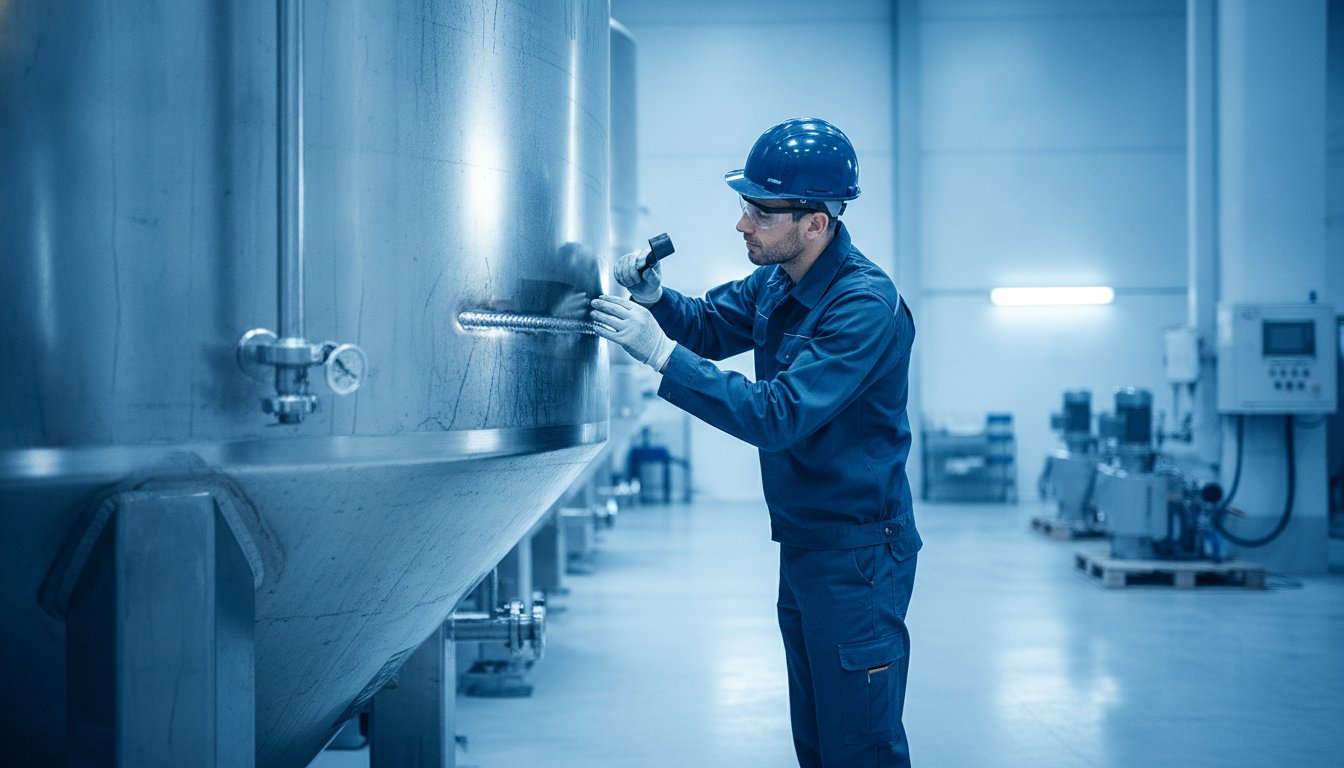
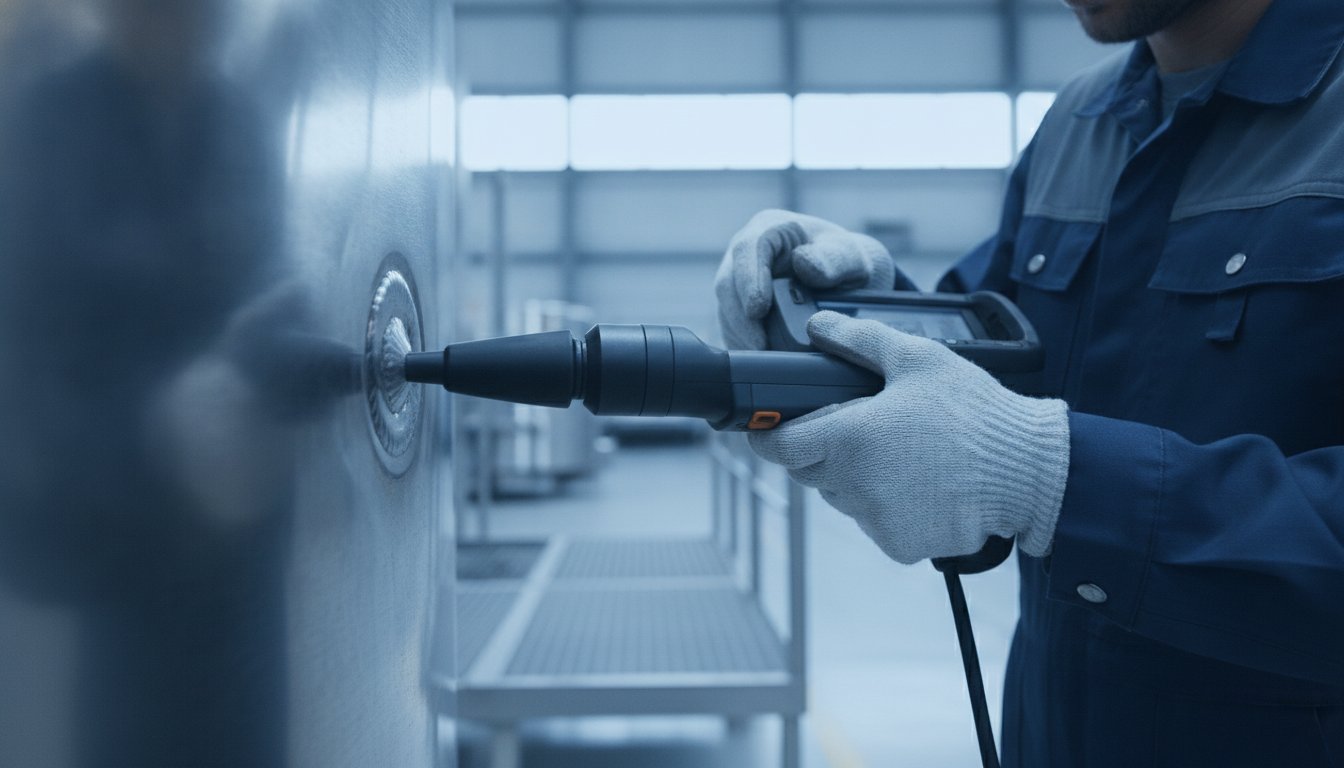
The mechanical integrity checklist should prioritize the spindle and bearings. Check for any lateral play or evidence of lubrication contamination, which suggests seal failure. It’s also necessary to verify the bowl hasn’t developed an “out-of-round” condition due to previous thermal stress or improper handling. To identify subsurface fatigue not visible to the naked eye, apply a solvent-removable dye penetrant to the high-stress areas of the stainless steel bowl and look for bleed-out that indicates hairline fractures. This simple test can prevent an expensive failure after the machine is commissioned.

Electrical and Control System Evaluation

Don’t overlook the control system. Assess the Programmable Logic Controller (PLC) for obsolescence; if the manufacturer no longer supports the hardware, a simple software glitch could ground your production. Check the motor windings and insulation resistance to ensure the electrical drive is sound. Finally, evaluate how easily the unit integrates into your existing Supervisory Control and Data Acquisition (SCADA) system. If you need assistance with technical verification or logistics, our team at F.A. Maker provides comprehensive support for heavy processing equipment.

Sourcing and Relocating Your Used Separator

Investing in pre-owned machinery is a strategic decision that hinges on the initial build quality of the equipment. High-quality stainless steel units from premium brands like Alfa Laval retain significant value because they’re engineered for decades of continuous operation. The ROI of industrial liquid separators used in demanding sectors is often superior to buying new, lower-tier alternatives that lack the same mechanical refinement. To mitigate risk, it’s essential to partner with established industrial centrifuge and separator suppliers who can verify the mechanical history and provide the technical transparency required for a confident investment.

Moving a high-speed centrifuge is not a standard freight task. These machines are precision-balanced assemblies; even minor shocks during transport can misalign the spindle or damage the sensitive bearings. Specialized transport and handling are required to ensure the unit arrives in the same condition it was inspected. Once the unit reaches your facility, the commissioning process must be methodical. This involves a slow ramp-up to full RPM while monitoring for vibration and temperature spikes to ensure process stability before the unit is fully integrated into the production line.

Why F.A. Maker is the Trusted Choice for Used Separators

With over a century of experience since the 1920s, F.A. Maker acts as a reliable partner in the heavy machinery market. We don’t just broker equipment; we apply a rigorous evaluation process to every centrifuge and separator that enters our inventory. Our expertise allows us to identify potential mechanical issues before they reach your site. By integrating professional machinery relocation and transport services, we provide a seamless site-to-site transition that eliminates the coordination challenges typically associated with industrial liquid separators used in heavy processing environments.

Maximizing Equipment Lifespan Post-Purchase

The long-term value of your investment depends on consistent post-purchase care. Implementing a preventative maintenance schedule based on the original manufacturer’s standards is the most effective way to avoid unplanned downtime. We recommend keeping a baseline stock of critical spare parts to ensure rapid recovery during scheduled service intervals. Essential stock items typically include:

  • High-grade mechanical seals and O-rings.
  • Precision-rated spindle bearings.
  • Drive belts or specialized gear lubricants.
  • Bowl gaskets compatible with your process chemistry.

Maintaining these components ensures your separator continues to operate at peak efficiency. You can browse our current inventory of industrial separators at F.A. Maker to find a unit that matches your specific operational requirements and budget.

Optimizing Your Process for Long-Term Efficiency

Successful separation depends on a disciplined approach to equipment selection and technical verification. You’ve seen how matching mechanical G-force to specific gravity and conducting a thorough physical inspection are non-negotiable steps for operational success. When you source industrial liquid separators used in previous applications, you’re investing in a proven mechanical asset that provides years of reliable service when maintained correctly. This pragmatic strategy allows you to scale production without the high capital overhead of new machinery.

F.A. Maker brings decades of specialized experience in stainless steel process equipment and global sourcing capabilities to your project. We offer expert machinery relocation services to ensure your equipment is handled with the precision it requires during transit and installation. By following a structured implementation plan, you can achieve optimal phase separation and long-term cost efficiency. View our extensive range of used industrial centrifuges and separators to find the right solution for your specific facility needs. We look forward to supporting your next project with technical competence and mechanical integrity.

Frequently Asked Questions

What is the difference between a centrifuge and a liquid separator?

A centrifuge is a broad category of high-speed machinery that uses centrifugal force for separation, while a liquid separator is a specific type of centrifuge designed primarily for liquid-liquid or liquid-solid clarification. In many industrial contexts, these terms are used interchangeably. However, the term “separator” often specifically refers to disc-stack designs used for fine polishing or separating two immiscible liquids.

Can I use a used separator for food-grade processing applications?

Yes, provided the unit is constructed from high-grade stainless steel and meets sanitary design standards. When purchasing industrial liquid separators used in food production, you must verify that the internal surface finishes are smooth and that the unit includes Clean-In-Place (CIP) functionality. This ensures the machine can be thoroughly sanitized to prevent bacterial growth between production cycles.

How do I determine the G-force required for my specific liquid-liquid separation?

The required G-force is determined by the density difference between your two liquid phases and the viscosity of the continuous phase. Smaller density differences or higher viscosities require higher G-forces to achieve efficient separation within a reasonable residence time. Engineers typically use Stokes’ Law to calculate these requirements or conduct pilot-scale testing with the specific material to verify the necessary rotational speed.

What are the most common failure points in a used decanter centrifuge?

The most common failure points include worn conveyor flights, damaged main bearings, and eroded bowl hubs. Because decanters handle high solids loads, abrasive wear on the internal scroll is a frequent issue that requires inspection. You should also check the gearbox for excessive noise or heat generation, as these are often clear indicators of impending mechanical failure in the drive system.

Is it possible to refurbish an older Alfa Laval or Westfalia separator?

Refurbishing high-quality units from brands like Alfa Laval or Westfalia is a standard industry practice because their heavy-duty stainless steel frames are built to last for decades. The process typically involves replacing all dynamic seals, re-balancing the rotating assembly, and updating the control system to modern PLC standards. This restores the machine to its original performance specifications at a fraction of the cost of new equipment.

How much floor space is typically required for an industrial disc-stack separator?

A typical industrial disc-stack separator requires a base footprint of approximately 1.5 to 3 square meters for the machine itself. However, you must also account for the control panel, pump skids, and necessary maintenance access. Total floor space requirements often range from 6 to 10 square meters, depending on the complexity of the ancillary equipment and the layout of your processing line.

What are the benefits of buying used stainless steel equipment over new alternatives?

Sourcing industrial liquid separators used in previous processing lines offers immediate availability and significant cost savings compared to the long lead times of new equipment. High-quality stainless steel does not degrade over time; a well-maintained pre-owned unit provides the same corrosion resistance and mechanical durability as a brand-new one. This approach maximizes your ROI while allowing for much faster project commissioning.

How does F.A. Maker handle the relocation of heavy industrial separation units?

F.A. Maker utilizes in-house machinery relocation services to manage the transport of heavy separation units from site to site. We employ specialized lifting equipment and secure transport methods to protect the precision-balanced internals of the centrifuge. Our team coordinates the entire logistics chain, ensuring that the machine arrives at your facility ready for reassembly and commissioning without risk of transport damage.
Industrial Centrifuge and Separator Suppliers: A Guide to Sourcing and Selection

Waiting eighteen months for a new OEM centrifuge is no longer a viable strategy for a processing facility facing immediate production bottlenecks. You likely recognize that high capital expenditure and lengthy delivery schedules often stall critical expansion projects or urgent replacement needs. Finding the right industrial centrifuge and separator suppliers requires looking beyond the manufacturer’s catalog to find partners who hold physical inventory and possess the technical depth to support it.

It’s understandable to feel cautious about the risks associated with second-hand machinery, especially when your process relies on the precision of a disc stack or decanter unit. This guide will show you how to evaluate the mechanical integrity of used equipment and identify suppliers who offer more than just a sale. You’ll learn how to secure high-quality stainless steel units that are ready for immediate deployment, ensuring your facility remains operational without the standard industry wait times.

We’ll provide a technical overview of the selection process, from assessing material specifications to managing the logistics of heavy unit relocation. By the end of this article, you’ll have a clear framework for sourcing a machine that integrates into your existing lines with minimal downtime and professional accuracy.

Key Takeaways

  • Distinguish between the production lead times of OEMs and the immediate availability of equipment stockists to optimize your project schedule.
  • Identify the mechanical differences between disc stack, decanter, and basket units to ensure the chosen machine meets your specific separation requirements.
  • Evaluate industrial centrifuge and separator suppliers based on their technical depth, physical inventory, and ability to manage complex machinery relocation.
  • Implement a rigorous inspection checklist focusing on bowl balance, bearing condition, and the metallurgical integrity of stainless steel components.
  • Analyze the cost-benefit of sourcing refurbished high-quality units to reduce capital expenditure without compromising on operational reliability.

Understanding the Landscape of Industrial Centrifuge and Separator Suppliers

Reliable industrial centrifuge and separator suppliers act as more than just equipment vendors. They provide the critical mechanical interface required for efficient liquid-solid and liquid-liquid separation. In a high-volume processing environment, these machines are the heartbeat of the production line. Choosing the right partner involves understanding the distinction between different types of suppliers and the physics that drive their equipment.

Original Equipment Manufacturers (OEMs) focus on the engineering and assembly of new units. These are often built to order. Equipment stockists, conversely, maintain a physical inventory of existing units from reputable brands like Alfa Laval or Westfalia. They offer a value proposition centered on immediate availability and practical cost efficiency. In 2026, lead time has become the primary differentiator among industrial centrifuge and separator suppliers. While an OEM might quote a delivery window exceeding twelve months, a specialist stockist can often facilitate a machine’s deployment within weeks.

The Role of Centrifugal Force in Modern Processing

Centrifugal separation accelerates the natural process of sedimentation. Stokes’ Law dictates that the settling velocity of a particle is proportional to the square of its radius and the difference in density between the particle and the fluid. In a standard tank, gravity is the only force. Gravity is slow. It’s often too slow for industrial scales. A centrifuge replaces that weak force with thousands of Gs by rotating the fluid at high speeds. This forces heavier particles to the bowl wall far faster than gravity allows. The separation process is fundamentally defined by the product of the density difference between phases and the square of the angular velocity.

Key Industries Requiring High-Performance Separators

Different sectors demand specific mechanical configurations to handle their unique fluid dynamics:

  • Dairy and food processing: These facilities prioritize 316-grade stainless steel units to maintain strict hygiene standards and prevent batch contamination.
  • Chemical and pharmaceutical: Precision is the priority here. These separators must isolate delicate cultures or chemical precipitates without causing cellular damage or shearing.
  • Waste and oil reclamation: These applications often require 3-phase separation. They achieve environmental compliance by isolating oil, water, and solids in a single continuous pass.

Evaluating Centrifuge Types: Disc Stack, Decanter, and Basket Units

Selecting the right machine requires a technical understanding of your feed material’s characteristics. Matching a machine to your process depends primarily on two variables: particle size and liquid viscosity. Fine particles suspended in low-viscosity liquids require the high G-force generated by high-speed units. Conversely, large particles or high-viscosity slurries are better suited for the robust torque and continuous discharge capabilities of low-speed horizontal units. Experienced industrial centrifuge and separator suppliers typically categorize equipment by its rotational orientation and discharge method to help engineers determine the best fit for their facility’s floor plan and throughput needs.

Material construction is a non-negotiable factor. Most modern industrial applications require 304 or 316-grade stainless steel to prevent corrosion and ensure batch purity. Sourcing used stainless steel units allows facilities to acquire high-spec machinery without the capital strain of a new build. You can examine a variety of these centrifuges and separators to compare how different mechanical configurations handle specific industrial loads.

Disc Stack Separators for Liquid-Liquid Separation

These vertical units maximize the settling area through a series of conical discs stacked within the bowl. This design creates a massive separation surface area in a compact footprint. They’re the preferred choice for cream separation, fuel oil purification, and biotech applications where the density difference between two liquids is marginal. Because they operate at high speeds, continuous operation relies on precise automated discharge cycles to clear accumulated fine solids without stopping the machine.

Decanter Centrifuges for High Solids Loading

Decanters operate horizontally and are designed for feed with high solids concentrations, often exceeding 50%. A rotating screw conveyor, known as a scroll, moves at a slightly different speed than the bowl to push solids toward the conical end for continuous discharge. This mechanism makes decanters the industry standard for wastewater treatment and rendering. When evaluating used units, it’s vital to compare the planetary or hydraulic drive designs of brands like Flottweg and Alfa Laval to ensure the torque matches your sludge density. For a detailed technical comparison of how Alfa Laval equipment performs against other industry standards in the secondary market, the strategic guide to sourcing a used Alfa Laval centrifuge provides a comprehensive framework for evaluating pre-owned units.

Basket and Peeler Centrifuges for Batch Processing

Basket centrifuges are used when a process requires “cake” washing or the drying of chemical crystals. In these vertical units, the liquid is forced through a filter cloth while the solids accumulate on the basket wall. Top-discharge models often require manual intervention, while peeler models use a mechanical knife to scrape the solids out through a bottom chute. These machines have high inertia, so safety protocols must prioritize robust vibration monitoring and lid interlocks to protect operators during the high-speed cycles.

The Strategic Advantage of Sourcing Used Separation Equipment

Procurement managers often face a choice between the perceived security of new equipment and the pragmatic benefits of the secondary market. While new machinery offers the latest control interfaces, the core mechanical components of high-end centrifuges have remained remarkably consistent for decades. Premium units from brands like Alfa Laval and Westfalia are engineered for service lives spanning thirty to forty years. When sourced from reputable industrial centrifuge and separator suppliers, these machines provide the same rotational precision and G-force capabilities as new models but without the prohibitive lead times.

The current global supply chain remains volatile. OEM delivery schedules for specialized stainless steel components frequently exceed twelve or eighteen months. This delay can stall critical plant expansions or leave a facility vulnerable during a primary equipment failure. Stock-holding suppliers bridge this gap by providing immediate access to floor-ready units. This availability allows technical teams to maintain production continuity and respond to market shifts with agility that a built-to-order model simply cannot match. Facilities specifically evaluating Alfa Laval equipment in the pre-owned market will find that understanding the inspection criteria for a used Alfa Laval centrifuge is essential to mitigating acquisition risk and maximizing industrial ROI.

Cost Recovery and ROI with Pre-Owned Units

The capital expenditure required for a new industrial centrifuge is one of the most significant investments a processing plant will make. Sourcing pre-owned units significantly lowers this entry barrier, allowing for a more favorable debt-to-equity ratio on new projects. Because these machines are constructed from high-grade stainless steel, they retain substantial residual value over time. Well-maintained separators can be resold or relocated within a global network if production requirements change. Utilizing pre-owned equipment enables facilities to scale from pilot projects to full production volumes without the prohibitive financial burden of new machinery acquisition. Facilities that apply this same strategic thinking to their entire processing line often find that sourcing used industrial mixers and blenders alongside separation equipment delivers compounding capital savings across the full production workflow. Extending this approach further to fluid handling infrastructure, procurement teams sourcing used industrial pumps for sale can achieve additional cost reductions while maintaining the 316 stainless steel material standards required for process integrity.

Sustainability and the Circular Economy in Manufacturing

Industrial sustainability is increasingly measured by the lifecycle of heavy assets. Manufacturing a new multi-ton stainless steel decanter requires massive energy inputs and raw material extraction. By refurbishing and redeploying existing machinery, companies directly reduce their Scope 3 emissions and contribute to a circular industrial economy. F.A. Maker supports these sustainability goals by reclaiming high-quality units that would otherwise remain idle, ensuring that the embodied energy in these machines continues to serve the manufacturing sector. This approach aligns environmental responsibility with fiscal discipline, proving that green manufacturing doesn’t have to come at a premium.

Industrial Centrifuge and Separator Suppliers: A Guide to Sourcing and Selection

Critical Inspection and Relocation Factors for Industrial Separators

Securing a unit from industrial centrifuge and separator suppliers is only the first phase of an equipment upgrade. Because these machines operate at extreme rotational speeds, even minor internal defects can lead to catastrophic failure during commissioning. A pragmatic approach to acquisition requires a rigorous technical audit before the machine leaves the supplier’s floor. This process ensures that the metallurgical integrity of the stainless steel vessel is intact and that the mechanical components are within their original engineering tolerances.

Metallurgical fatigue is a specific concern for older units. While stainless steel is durable, years of exposure to corrosive cleaning agents or high-chloride process fluids can cause stress corrosion cracking. Inspecting the bowl for pitting or thinning isn’t just a maintenance task; it’s a safety requirement. A compromised bowl can’t safely withstand the thousands of Gs required for liquid-solid separation. Technical managers must prioritize physical verification over digital photos to confirm the machine’s true condition. The same verification discipline applies when evaluating ancillary fluid handling components; a thorough review of used industrial pumps and valves using systematic inspection criteria ensures that every element of your processing line meets the required mechanical and metallurgical standards.

The 5-Point Technical Inspection Checklist

A systematic audit minimizes the risk of purchasing a machine that requires immediate, costly overhauls. Follow these steps to verify the condition of any pre-owned unit:

  • Step 1: Internal Bowl Inspection. Examine the bowl wall and internal discs for signs of erosion or pitting. Abrasive feed materials can thin the stainless steel over time, compromising the unit’s structural safety at high G-forces.
  • Step 2: Drive Train Analysis. Run the motor to check the gearbox and drive system for abnormal vibration or noise. Bearing whine or excessive heat generation often indicates a lack of lubrication or misalignment.
  • Step 3: Control System Compatibility. Verify that the control panel and PLC are operational. It’s often more cost-effective to replace an obsolete control system with a modern interface than to hunt for legacy components.
  • Step 4: Pressure and Leak Testing. For sealed or jacketed units, perform a pressure test. This is critical for processes involving volatile chemicals or those requiring strict anaerobic conditions.
  • Step 5: Service History Review. Request maintenance logs. A documented history of bearing replacements and balance reports is a reliable indicator of a machine’s remaining service life.

Logistics and Relocation: Moving Heavy Processing Assets

The physical relocation of a centrifuge is a high-stakes engineering task. Unlike static tanks, centrifuges contain high-precision shafts and balanced bowls that are susceptible to damage from road vibrations and improper lifting. Brinelling of bearings can occur if the machine isn’t properly secured during transit. Professional rigging is essential to ensure the unit remains level and the internal components aren’t subjected to lateral shocks.

Decommissioning must be handled with the same care as re-installation. This ensures that all auxiliary systems, such as lubrication pumps and water valves, are accounted for and ready for integration at the new site. You can mitigate these risks by utilizing professional machinery relocation services, which provide the specialized equipment and technical expertise needed to move heavy industrial assets across global supply chains without compromising their mechanical integrity.

F.A. Maker: A Legacy of Industrial Separation Expertise

Establishing a reliable production line requires more than just high-spec machinery; it requires a partner who understands the mechanical nuances of heavy industrial assets. F.A. Maker has operated as a stable anchor in the processing sector since the 1920s. This century of experience distinguishes the firm from many other industrial centrifuge and separator suppliers who lack the historical depth to evaluate legacy machinery accurately. By specializing in high-quality used stainless steel units, the company provides a pragmatic alternative to the long lead times and high capital requirements of the new equipment market.

The firm’s reputation is built on technical accuracy and a no-nonsense approach to equipment condition. Every unit in the inventory, from used stainless steel tanks to high-speed separators, is assessed through the lens of operational utility. This focus on functionality ensures that the equipment you source is ready to be integrated into your existing process with predictable performance. It’s a level of reliability that only comes from decades of handling the global marketplace’s most robust machinery.

Sourcing Quality Brands from a Trusted Stockist

Working with a family-owned business that maintains a global reach ensures you receive personalized technical support alongside the logistical capacity of a major firm. F.A. Maker maintains an extensive inventory of units from industry leaders, including Alfa Laval, Westfalia, and Flottweg. These brands are selected for their metallurgical integrity and their proven ability to operate over multi-decade lifespans. Because the stock is physically held in our facility, we can provide immediate technical specifications and physical inspections for the 2026 production year. This transparency allows your engineering team to verify bowl balance and drive configurations before the purchase is finalized.

Comprehensive Support from Decommissioning to Installation

The unique value proposition of F.A. Maker lies in the integration of equipment sales with professional machinery relocation services. Most industrial centrifuge and separator suppliers stop at the point of sale, leaving the buyer to coordinate rigging and transit. We manage the entire lifecycle of the transition, from the professional decommissioning of separators and mixers to the specialized transport required for high-precision assets. This end-to-end service reduces the risk of transit damage and ensures that the mechanical integrity of the machine is preserved from the old site to the new installation. Whether you are relocating a single decanter or an entire processing plant, our in-house relocation team provides the steady, disciplined oversight necessary for complex industrial moves.

View F.A. Maker’s current inventory of centrifuges and separators to find a unit that matches your immediate operational needs and technical requirements.

Securing Your Operational Future with Reliable Separation Technology

Sourcing high-performance separation equipment doesn’t have to be a process defined by eighteen-month lead times or technical uncertainty. By shifting focus toward stock-holding industrial centrifuge and separator suppliers, you can secure robust machinery that’s ready for immediate deployment. This strategic approach allows your facility to scale production while maintaining strict metallurgical standards and mechanical precision across your entire processing line. It’s about finding a balance between capital efficiency and the long-term durability of your heavy assets.

F.A. Maker has been a stable partner in the industrial sector since the 1920s. We combine an extensive inventory of used stainless steel units with specialist machinery relocation services to provide a complete engineering solution. Our team understands the high stakes of your investment and remains committed to providing technical accuracy from the initial inspection to the final installation. Whether you require a decanter for high solids loading or a disc stack for liquid-liquid separation, we have the stock and the expertise to help you succeed.

Browse F.A. Maker’s full range of industrial centrifuges and separators to find a reliable machine that fits your specific process requirements. We look forward to supporting your next facility upgrade with the stability and expertise only a century of experience can provide.

Frequently Asked Questions

What is the difference between an industrial centrifuge and a centrifugal separator?

How do I choose between a decanter and a disc stack centrifuge?

The decision depends on the solids concentration of your feed material. Decanter centrifuges are horizontal units built to handle high solids loading, often ranging from 10% to over 50% solids by volume. Disc stack centrifuges are vertical machines designed for polishing liquids with very low solids content, usually under 1%, or for separating liquid phases with slight density differences.

Why should I buy a used industrial centrifuge instead of a new one?

Lead times and capital expenditure are the two most significant factors. New OEM equipment often involves production schedules exceeding twelve months, while used stock is available for immediate deployment. Because premium brands are engineered for multi-decade service lives, a refurbished unit provides the same mechanical precision and G-force capabilities as a new machine at a reduced cost.

What are the main factors that affect centrifugal separation efficiency?

Separation efficiency is determined by rotational speed, the density difference between the phases, and the residence time in the bowl. Increasing the G-force accelerates particle settling, while reducing the feed rate increases the time the material is subjected to that force. Additionally, heating the feed material can lower liquid viscosity, which facilitates faster particle movement toward the bowl wall.

How often do industrial centrifuges require major servicing?

Major service intervals generally occur every 8,000 to 12,000 hours of operation. This process involves a complete teardown to replace bearings and seals while inspecting the bowl for signs of erosion or fatigue. Routine vibration monitoring is essential between these intervals to detect early signs of imbalance or gearbox wear that could lead to unscheduled downtime.

Can F.A. Maker help with the relocation of equipment I already own?

Yes, our machinery relocation services are available for your existing assets as well as equipment purchased from our inventory. We provide professional decommissioning, specialized rigging, and vibration-dampened transport specifically for high-precision centrifugal units. This ensures your equipment is moved without the risk of bearing brinelling or structural misalignment during transit.

What materials are best for centrifuges in the food and beverage industry?

316-grade stainless steel is the required standard for most food and beverage applications. It offers the necessary resistance to corrosion from acidic products and the aggressive chemicals used in Clean-in-Place (CIP) cycles. Ensuring that all wetted parts are high-grade stainless steel is critical for maintaining batch purity and meeting global food safety regulations.

The Professional Guide to Sourcing Used Jacketed Stainless Steel Vessels

A jacketed vessel is a complex thermal system rather than a simple storage container. When you’re facing lead times of six months or more for new equipment, sourcing used jacketed stainless steel vessels becomes a strategic necessity for maintaining production schedules. However, the risk of a hidden internal leak or an incompatible jacket geometry can turn a cost-saving measure into a significant operational liability. You need to know exactly what’s happening behind that stainless steel skin before the unit arrives on your factory floor.

You likely understand that the true value of pre-owned machinery lies in its immediate availability and reduced capital expenditure, provided the technical specifications align with your cooling or heating media. This guide provides a professional framework for evaluating these assets with the precision of a seasoned engineer. We’ll examine how to verify pressure integrity, match jacket types like dimple or half-pipe to specific thermal requirements, and manage the logistics of relocating heavy industrial equipment. This methodical approach ensures you secure a reliable vessel that integrates seamlessly into your existing process line without the typical risks of the secondary market.

Key Takeaways

  • Identify the most efficient jacket geometry for your application, whether your process requires high-pressure dimple jackets or traditional conventional designs when sourcing used jacketed stainless steel vessels.
  • Learn to evaluate material specifications by comparing 304 and 316 stainless steel grades for their thermal conductivity and resistance to specific heating or cooling media.
  • Master essential inspection protocols to verify the structural integrity of jacket-to-shell welds and assess internal surface finishes for sanitary compliance.
  • Match equipment choices to specific industry standards, ensuring 316L compliance for pharmaceutical use or proper radius corners for food and dairy applications.
  • Understand the importance of professional relocation services in mitigating the risks associated with moving and installing heavy, pre-owned thermal equipment.

Understanding the Thermal Dynamics of Jacketed Stainless Steel Vessels

A jacketed vessel operates as a dual-containment system where the jacket serves as a secondary pressure boundary. This design allows thermal media to circulate around the inner shell without coming into direct contact with the product. Unlike a standard storage tank, used jacketed stainless steel vessels are engineered for active thermal management. They are essential for processes requiring precise temperature control, such as fermentation, chemical synthesis, or pasteurization. Choosing used equipment provides a significant strategic advantage for facilities needing to scale production quickly. While new builds often face lead times exceeding six months, a pre-owned unit can be inspected, purchased, and integrated into a process line in a fraction of that time.

Heat Transfer Mechanisms: Steam, Water, and Glycol

The specific thermal media used in your facility dictates the condition you should expect from a used jacket. Steam systems operate at higher temperatures and pressures, which can cause “oil-canning” or shell deformation if the vessel was not properly vented or drained. Glycol is the standard for cooling, but if the pH wasn’t maintained, it can become acidic and corrode the jacket internals. During your inspection, confirm the presence of internal baffles or directional flow channels. These components are necessary to create turbulent flow. Without turbulence, the media may move in a laminar fashion, creating stagnant “dead spots” that drastically reduce heat transfer rates. Look for mineral scaling or fouling at the inlet and outlet ports, as these deposits indicate how well the previous owner maintained their utility water chemistry.

Pressure Vessel Standards and Certifications

Safety and compliance depend on verifiable engineering standards. Most reputable used jacketed stainless steel vessels are built to ASME Section VIII Division 1 specifications. The most critical piece of evidence is the stainless steel nameplate welded to the vessel. This plate lists the Maximum Allowable Working Pressure (MAWP) for both the internal shell and the jacket at a specific temperature. Beyond the plate, you should ask for the original Manufacturer’s Data Report, commonly known as a U-1 form. This document acts as a birth certificate for the vessel, detailing the material thicknesses and weld types used during fabrication. If your process requires pulling a vacuum, ensure the inner shell is rated for full vacuum (FV). A vessel rated only for positive pressure can suffer a catastrophic collapse if subjected to internal vacuum, as the shell might not have the thickness or reinforcement to resist the external pressure from the jacket media.

Selecting the Right Jacket Geometry for Your Process

The physical geometry of a jacket determines how efficiently thermal energy is transferred to your product. When evaluating used jacketed stainless steel vessels, you must look beyond the capacity and material grade to the specific jacket configuration. Each design serves a distinct operational purpose and carries its own set of maintenance considerations. Choosing the wrong geometry can lead to inefficient batch times or, in extreme cases, structural failure under high pressure.

Conventional and Dimple Jacket Analysis

Conventional jackets consist of a second shell covering the main vessel body, creating a simple open plenum for the thermal media. While straightforward to manufacture, they are prone to “short-circuiting.” This occurs when the heating or cooling fluid takes the path of least resistance, bypassing large areas of the vessel surface. In older equipment, it’s vital to check for internal baffles that force the media into a spiral path to ensure uniform heat transfer. Before committing to a purchase, you should review the current inventory of used stainless steel tanks to compare available jacket configurations.

Dimple jackets are the modern standard for many chemical and food processes. They use a pattern of spot welds to secure the jacket to the shell, which acts like a series of stay bolts. This design allows for higher jacket pressures while maintaining a thinner, more cost-effective inner vessel wall. When inspecting these units, pay close attention to the integrity of the dimple welds. Look for signs of stress or pitting around the heat-affected zones. These areas are common failure points in vessels that have endured thousands of rapid thermal cycles.

Half-Pipe Coil Performance

Half-pipe coil jackets are fabricated by welding split pipes around the vessel exterior. This configuration is often the best choice for high-pressure steam or high-temperature thermal oil applications. One major advantage of half-pipe designs is the ability to create separate thermal zones. This allows you to heat or cool smaller batches effectively by only activating the lower coils, preventing the “burning” of product on the upper walls of a partially filled tank.

However, the high number of linear welds increases the potential for thermal fatigue. You must inspect the “toe” of the weld where the pipe meets the vessel shell. Over years of heavy operation, these specific points can develop micro-cracks from the constant expansion and contraction of the metal. Identifying these “hot spots” or signs of fatigue is a critical step in vetting pre-owned coils. Half-pipe systems are robust, but their longevity depends entirely on the quality of the original welding and the consistency of the previous owner’s pressure management.

Internal coils are an alternative often found in older used jacketed stainless steel vessels. They provide direct contact with the product, offering the fastest heat transfer rates possible. Despite this efficiency, they are significantly harder to clean and can interfere with high-viscosity agitation. For most sanitary processes, an external jacket remains the preferred standard due to the ease of maintaining internal vessel hygiene.

Critical Inspection Protocols for Used Pressure Vessels

A thorough physical assessment is the only way to mitigate the inherent risks of purchasing second-hand equipment. When you evaluate used jacketed stainless steel vessels, your inspection should begin with the internal surface finish. The quality of this finish dictates how easily the vessel can be sanitized and whether it’s suitable for your specific industry. A 2B mill finish is common for industrial chemical applications, while a #4 brushed finish is standard for food and dairy. For high-purity pharmaceutical processes, an electropolished surface is often required to minimize bacterial adhesion. Any deep scratches, pitting, or “tea staining” on these surfaces can harbor contaminants and may require expensive mechanical polishing to remediate.

Structural integrity depends heavily on the condition of the welds, particularly where the jacket meets the main shell. You must look for signs of stress corrosion cracking, a common issue in 300-series stainless steel exposed to chlorides or high thermal gradients. These cracks often appear as fine, spiderweb-like patterns near weld seams. Beyond the vessel itself, evaluate the auxiliary components. Check the agitator shaft for run-out and inspect mechanical seals for signs of leakage. If the vessel includes valves or sensors, verify their manufacturer and model; sourcing replacement parts for obsolete components can add significant hidden costs to your investment. For a broader understanding of what to look for across all vessel types, reviewing a comprehensive guide to sourcing used stainless steel tanks for sale can help you build a complete procurement checklist.

The Hydrostatic and Pneumatic Testing Process

Pressure testing is the most reliable method to confirm a jacket is leak-free. You should always prioritize hydrostatic testing over pneumatic testing. Water is incompressible, making it much safer than compressed air, which stores a dangerous amount of energy. Follow these steps for a safe evaluation:

  • Fill the jacket completely with water, ensuring all air is vented from the highest point.
  • Slowly increase the pressure to the Maximum Allowable Working Pressure (MAWP) listed on the nameplate.
  • Hold the pressure for at least 30 to 60 minutes.
  • Monitor the pressure gauge closely. Any drop in pressure, even a small one, indicates a potential leak in the jacket or a failing weld.

Advanced Non-Destructive Testing (NDT)

Visual inspections can’t always reveal the true state of the metal. Ultrasonic thickness (UT) testing is a vital tool for verifying that the shell and jacket haven’t thinned due to internal erosion or corrosion. This is especially important for vessels with unknown service histories. A borescope inspection allows you to see inside the jacket passages to check for the mineral scaling or sludge buildup mentioned in previous sections. Finally, use dye penetrant testing on critical weld seams. This process involves applying a colored dye that seeps into surface-breaking cracks, making them visible under a developer solution. These NDT methods provide the technical certainty required to ensure a vessel is fit for continued industrial service.

The Professional Guide to Sourcing Used Jacketed Stainless Steel Vessels

Industry Applications and Material Specifications

Your specific process requirements determine the required metallurgy and design features of used jacketed stainless steel vessels. While a vessel may be structurally sound, its suitability for your facility depends on its previous service history and its alignment with industry-specific standards. For instance, food and dairy applications demand large-radius corners and polished welds to ensure no product traps exist. Chemical processing might prioritize wall thickness and corrosion allowances over cosmetic finish. You should also match the agitation system to your product’s rheology. Anchor agitators, which sweep close to the vessel wall, are ideal for viscous products that might otherwise insulate the heat transfer surface. Conversely, high-speed turbine or propeller impellers are better suited for low-viscosity blending or maintaining solids in suspension.

Sanitary Design in Used Stainless Steel

Sanitary integrity in the food and beverage sector relies on the absence of “dead legs.” These are stagnant areas in piping or nozzles where the cleaning solution cannot reach effectively. When inspecting used equipment, measure the length of any nozzles; standard sanitary practice suggests a length-to-diameter ratio of no more than 2:1. You should also confirm the presence and condition of CIP (Clean-in-Place) spray balls. These components ensure that every internal surface, including the underside of the vessel head, is properly sanitized between batches. Surface roughness, measured as Ra (Roughness Average), should typically be 0.8 microns or better for food-grade service.

Materials of Construction: 304 vs. 316L

Grade 304 stainless steel is the workhorse of the industrial world, offering excellent durability for general-purpose applications. However, 316L is mandatory for environments involving high salt concentrations, chlorides, or strong organic acids. The “L” designation indicates a low-carbon content, which prevents carbide precipitation during welding and reduces the risk of intergranular corrosion. The addition of molybdenum in 316L provides significantly better resistance to pitting. If you’re unsure which grade is necessary for your chemical environment, you can view our inventory of used stainless steel tanks to find vessels that meet your specific material requirements. Identifying the material on an undocumented vessel requires professional testing, as 304 and 316 are visually identical. In pharmaceutical and biotech settings, 316L is the baseline standard, often accompanied by ASME BPE certification to ensure the highest levels of purity and cleanability.

The F.A. Maker Advantage: Sourcing and Relocation

Sourcing used jacketed stainless steel vessels requires a partner who understands both the mechanical integrity of the equipment and the logistical complexities of industrial installation. F.A. Maker has operated as a family-owned business since the 1920s, building a reputation for technical accuracy and straightforward dealing. We don’t simply act as a broker for surplus machinery. Every vessel in our inventory undergoes a rigorous vetting process backed by decades of engineering experience. This methodical approach ensures that the equipment you receive is fit for purpose and ready to integrate into your production environment with minimal modification.

The primary advantage of choosing pre-owned equipment is the elimination of the 20 to 40 week lead times typically associated with new stainless steel builds. In a competitive market, the ability to scale production in weeks rather than months is a significant strategic asset. By maintaining a diverse inventory of high-quality 304 and 316 stainless steel assets, we provide immediate solutions for facilities facing urgent capacity requirements or equipment failures. This ready-to-ship availability reduces operational downtime and allows for faster return on investment for your capital projects.

Expert Machinery Relocation Services

Moving a large jacketed vessel involves more than just standard freight. These units are heavy, often top-heavy due to agitation drives, and have delicate external components like half-pipe coils or dimple jackets that can be damaged by improper rigging. F.A. Maker provides professional machinery relocation services that bridge the gap between purchase and operation. Our team manages the entire transition, from safe decommissioning at the source to precise positioning at your facility. We coordinate complex logistics for both local and global delivery, ensuring that the structural integrity of the vessel is maintained throughout the journey. This integrated service model removes the risk of coordinating multiple third-party contractors who may lack specific experience with pressurized process equipment.

Sustainable Procurement: The Case for Pre-Owned

Opting for used equipment is a pragmatic choice for environmental sustainability. Repurposing high-quality stainless steel vessels significantly reduces the carbon footprint of your facility by avoiding the energy-intensive process of smelting and fabricating new steel. It’s a circular approach to industrial growth that prioritizes durability and utility. Beyond sourcing, we also assist companies in managing their lifecycle by helping them sell surplus equipment. This closes the loop on industrial assets, ensuring that well-maintained machinery continues to provide value elsewhere in the industry rather than being scrapped. This commitment to equipment longevity and professional service has made us a stable anchor in the global processing sector for over a century.

Securing Your Industrial Process Infrastructure

Sourcing used jacketed stainless steel vessels is a technical exercise that demands rigorous attention to detail. You’ve seen how matching jacket geometry to your thermal media and performing pressure tests prevents operational failure. By prioritizing 304 or 316 grade material and verifying weld integrity, you secure a reliable asset that performs on par with new equipment. This methodical approach allows you to scale your production capabilities without the extended lead times of the current manufacturing market.

F.A. Maker provides the stability of a family-owned business operating since the 1920s. We specialize in high-quality 304 and 316 stainless steel process equipment and offer comprehensive machinery relocation services to ensure your investment is moved and installed with precision. This integrated approach removes the logistical risks often associated with sourcing heavy industrial machinery from multiple vendors. It’s a pragmatic way to manage your capital expenditure while maintaining high engineering standards.

Browse our current inventory of high-quality used jacketed vessels to find the right thermal solution for your facility. Taking a disciplined approach to procurement ensures your plant remains efficient and productive for years to come.

Frequently Asked Questions

What is the difference between a jacketed tank and a pressure vessel?

A jacketed tank is any container featuring a thermal envelope, while a pressure vessel is specifically engineered and certified to contain internal pressure exceeding 15 psi. Many used jacketed stainless steel vessels are also rated as pressure vessels. You must verify the ASME nameplate to confirm the Maximum Allowable Working Pressure (MAWP) for both the internal shell and the jacket itself before operation.

Can I use steam in a jacket originally designed for glycol?

You shouldn’t use steam in a glycol jacket without first verifying the pressure and temperature ratings on the manufacturer’s data plate. Glycol systems often operate at lower pressures and temperatures. Steam exerts significantly higher forces and can cause “oil-canning” or structural deformation if the jacket wasn’t designed to handle the thermal expansion and pressure associated with steam service.

How do I know if a used stainless steel vessel is food-grade?

Food-grade status is defined by the internal surface finish and the absence of crevices where bacteria can grow. Look for a minimum #4 brushed finish or an electropolished surface with an Ra value of 0.8 microns or less. The vessel should also feature large-radius corners and sanitary tri-clamp fittings instead of threaded NPT connections, which are difficult to sanitize effectively.

What are the most common failure points in used jacketed vessels?

The most frequent failure points occur at the jacket-to-shell welds and around the inlet and outlet nozzles. Stress corrosion cracking in 300-series stainless steel is also a common issue, especially in units exposed to high chlorides. Internal scaling from poor utility water chemistry can also reduce heat transfer efficiency. Always perform a hydrostatic test to identify hidden leaks in these critical areas.

Is it possible to add a jacket to an existing stainless steel tank?

While you can technically add a jacket to an existing tank, it’s often cost-prohibitive and requires complex ASME recertification to ensure safety. It is generally more efficient and reliable to source used jacketed stainless steel vessels that were originally engineered for thermal duty. These units already possess the necessary shell thickness and structural reinforcement required to handle pressurized thermal media safely.

What documentation should I insist on when buying a used process vessel?

You should insist on the Manufacturer’s Data Report, commonly known as a U-1 form. This document acts as a birth certificate for the vessel, detailing material thicknesses, weld types, and original pressure ratings. If this paperwork is missing, you’ll need to commission independent ultrasonic thickness testing and a professional engineering assessment to verify the vessel’s current structural integrity and safety for your intended use.

How does agitation affect the heat transfer rate in a jacketed vessel?

Agitation significantly increases the heat transfer rate by creating turbulence and preventing a stagnant boundary layer from forming against the vessel wall. For viscous products, an anchor agitator with scrapers is necessary to move the product away from the heat transfer surface. Without proper agitation, your batch will suffer from uneven temperature distribution and much longer processing times.

Does F.A. Maker provide international shipping for large vessels?

Yes, F.A. Maker coordinates logistics for global equipment delivery from our Australian base. We manage the specialized transport requirements for large-scale process machinery, including safe decommissioning and site-to-site transitions. Our team handles the complexities of international freight and rigging so your equipment arrives at your facility ready for professional installation and integration into your process line.

Comparing Used Vertical Stainless Steel Tanks: Engineering and Selection Guide

The true value of used vertical stainless steel tanks isn’t found in the initial purchase price, but in how their specific engineering aligns with your existing piping and floor plan. Vertical vessels accounted for over 60% of the market share in 2024 because they offer the most efficient way to maximize storage volume within a restricted footprint. However, selecting the wrong configuration can lead to integration headaches or compliance risks that outweigh any upfront savings.

It’s common to feel concerned about the potential for contamination or the complexity of retrofitting a second-hand vessel into a modern production line. We understand that every square meter of your facility must be productive. This guide provides a technical roadmap to help you evaluate material grades, head geometries, and pressure ratings with confidence. By the end of this article, you’ll know exactly how to identify a tank that meets the 2025 ASME BPVC standards while delivering the cost benefits of the used market. We will walk through the critical selection criteria and the relocation logistics required to operationalize your investment without disrupting your current workflow.

Key Takeaways

  • Evaluate how vertical configurations maximize facility floor space and utilize gravity-fed drainage to improve processing efficiency.
  • Identify the most suitable head geometry, such as conical or torispherical bottoms, to match your specific product viscosity and discharge requirements.
  • Distinguish between 304 and 316 stainless steel grades to ensure material compatibility with your specific chemical or sanitary environment.
  • Implement a technical inspection protocol for used vertical stainless steel tanks that focuses on weld integrity and internal surface finish to mitigate contamination risks.
  • Plan for professional machinery relocation to ensure large vessels are safely decommissioned, transported, and positioned within your existing infrastructure.

Vertical vs. Horizontal: The Engineering Trade-offs

Selecting between a vertical or horizontal orientation is one of the most consequential decisions in facility design. While both serve the same fundamental purpose, their operational characteristics differ significantly. Most industrial processors prioritize used vertical stainless steel tanks because they leverage verticality to preserve valuable floor space. This is a critical consideration in established plants where expanding the building footprint is not a viable option. By utilizing vertical space, you can often double or triple your storage capacity without altering the facility walls.

Gravity plays a decisive role in drainage mechanics. Vertical vessels, particularly those with conical or dished bottoms, allow for complete product recovery through a single bottom-center discharge port. In contrast, horizontal tanks often require more complex pitching or multiple sumps to achieve the same result. This makes vertical configurations superior for high-viscosity products or processes that require frequent batch changes and thorough cleaning. If your process relies on 100% discharge to prevent batch cross-contamination, the vertical design is the logical choice.

Agitation requirements also favor the vertical design. A top-entry mixer in a vertical tank creates a more uniform flow pattern with fewer dead zones compared to the side-entry mixers typically found in horizontal vessels. From a structural standpoint, Storage tank design and features must account for the concentrated load of a vertical silo. Because the weight is distributed over a smaller surface area, the foundation must be engineered to handle higher PSI ratings. Tall silos concentrate their entire mass onto a small foundation footprint. This requires precise engineering of the concrete slab to prevent settling or cracking. For used equipment, you must verify that the tank’s support legs or skirt are compatible with your facility’s load-bearing capacity.

When to Choose Vertical Configuration

Choose a vertical configuration if your process demands high-volume storage within a compact area. These vessels are ideal for gravity-assisted drainage and integrate seamlessly with Clean-In-Place (CIP) systems. The vertical orientation allows spray balls to reach the entire internal surface area more effectively, ensuring compliance with strict sanitary standards. This configuration is the industry standard for dairy, beverage, and chemical storage where hygiene and space optimization are paramount.

Comparative Decision Matrix

When evaluating the cost-per-litre, used vertical stainless steel tanks often prove more economical for large-scale storage. While horizontal tanks offer easier side-manway access for manual cleaning at ground level, vertical vessels provide superior agitation efficiency and footprint management.

  • Footprint: Vertical is highly efficient; Horizontal requires extensive floor space.
  • Drainage: Vertical utilizes gravity for 100% discharge; Horizontal may retain product residuals.
  • Maintenance: Vertical typically uses top-manways requiring platforms; Horizontal uses side-manways.
  • Agitation: Vertical supports simpler top-entry mixers; Horizontal often requires multiple side-entry units.

From a financial perspective, the cost-per-litre for vertical storage tends to decrease as the volume increases. This is because the material costs for increasing the height of a tank are often lower than the costs associated with the structural reinforcement required for a long horizontal vessel of the same capacity.

Anatomy of Vertical Stainless Steel Tanks

Understanding the structural anatomy of used vertical stainless steel tanks is essential for ensuring process compatibility. While the shell provides the volume, the head geometry and support structure dictate the tank’s operational limits. For example, leg-mounted tanks offer easier access for under-tank cleaning and maintenance. In contrast, skirt-mounted designs are often preferred for larger silos to distribute weight more evenly across the foundation. Lug-supported tanks are typically reserved for mezzanine installations where the vessel is suspended through a floor opening.

Head Types and Product Recovery

The shape of the tank bottom directly impacts how effectively you can recover your product. Dished heads, specifically torispherical designs, are the standard for vessels operating under pressure. Their curved shape provides superior structural strength and eliminates sharp corners, making them ideal for sanitary applications. Conical bottoms are the preferred choice for processes involving high-solids or viscous materials. A 45 or 60 degree cone angle allows gravity to pull thick substances toward the discharge valve, minimizing product loss. Flat-bottom tanks represent an economical solution for storing non-viscous liquids like water or thin oils, though they typically require a side-entry drainage point which may leave a small heel of product.

Insulation and Jacketing Options

Temperature control is a critical requirement in many chemical and food processes. Used jacketed vessels are high-value assets because they provide integrated heating or cooling without contaminating the product. Dimple jackets are common for low to medium pressure steam or glycol. Half-pipe coils are better suited for high-pressure thermal oil applications or where high-velocity flow is needed to prevent fouling. To maximize energy efficiency, many of these vessels include insulation cladding. This protective outer layer prevents heat loss and protects personnel from hot surfaces.

Internal heating coils are sometimes found in used inventory. These offer faster heat transfer but can be more difficult to clean than external jackets. If your process requires a high degree of hygiene, an external jacket paired with internal spray balls for Clean-In-Place (CIP) functionality is usually the better investment. If you’re currently evaluating your facility requirements, you can browse our inventory of used stainless steel tanks to see which configurations are presently available.

Internal baffles are another anatomical feature to consider. These vertical plates prevent the formation of a vortex during high-speed mixing, ensuring that your product is sheared and blended rather than just spinning in a circle. When inspecting used vertical stainless steel tanks, verify that these internal components are securely welded and free from crevices where bacteria could thrive. Proper spray ball placement is also vital to ensure that the cleaning solution reaches behind the baffles and the upper head area during the CIP cycle.

Material Grades: 304 vs. 316 Stainless Steel in Processing

Selecting the correct alloy for used vertical stainless steel tanks determines the longevity of your investment and the purity of your final product. Grade 304 is the industry workhorse. It provides excellent corrosion resistance for dairy, brewery, and general food processing applications. It’s cost-effective and durable for most standard storage needs. However, it can struggle when exposed to high chloride concentrations or severe acidity. If your process involves salt or aggressive chemicals, upgrading to a higher grade is a technical necessity rather than an option.

Grade 316 is the standard for pharmaceutical and chemical processing. Grade 316 stainless steel contains 2% to 3% molybdenum, which significantly enhances the alloy’s resistance to pitting and crevice corrosion in chloride-rich or saline environments. This makes it essential for saline solutions, highly acidic chemicals, and environments where aggressive cleaning agents are used frequently. When evaluating pre-owned inventory, you’ll often find 316L variants. The “L” stands for low carbon, which helps prevent carbide precipitation during welding, making the vessel less prone to corrosion at the weld joints.

Surface finish is equally critical for sanitation and process speed. A 2B mill finish is smooth and slightly reflective, often preferred for bulk storage of liquids. A #4 brushed finish is common for vessels requiring frequent manual handling or where aesthetic uniformity is desired. For pharmaceutical applications, an electropolished finish may be necessary to reduce surface roughness to a sub-micron level. This prevents bacterial adhesion and makes the Clean-In-Place (CIP) cycle more effective. When inspecting used vertical stainless steel tanks, look for “pitting”-small, localized holes in the metal. This is a sign of previous chemical damage that can compromise the tank’s integrity and sanitation.

Industry Standards and Compliance

Compliance with food and pharmaceutical standards requires more than just the correct alloy. Used food-grade vessels must be free from deep scratches or surface imperfections that can harbor pathogens. In chemical processing, you must match the tank grade to the pH of your specific process. Pharmaceutical-grade tanks often require documented weld smoothness and specific Ra (roughness average) values to meet regulatory requirements. Ensuring the vessel matches your industry’s compliance profile is a foundational step in equipment selection.

Identifying Material Quality in Pre-Owned Tanks

Verifying the material quality of used equipment involves checking the manufacturer’s nameplate and material certifications. If documentation is missing, a portable X-ray fluorescence (XRF) analyzer can provide a non-destructive elemental analysis. Inspect the welds for signs of “knifeline attack” or weld decay. This occurs when chromium carbides precipitate at the grain boundaries, leaving the area adjacent to the weld susceptible to rapid corrosion. Identifying these defects early prevents failure during pressurized operations and ensures the vessel remains a stable asset for decades.

Comparing Used Vertical Stainless Steel Tanks: Engineering and Selection Guide

Inspection Protocol for Pre-Owned Vertical Vessels

Rigorous inspection is the only way to mitigate the risks associated with acquiring second-hand machinery. When evaluating used vertical stainless steel tanks, the quality of the welds is your first indicator of previous fabrication standards. You should look for signs of porosity, undercut, or cracks. “Sugar” welds, which appear as rough, oxidized textures on the backside of a weld, indicate poor gas shielding during the original fabrication. These areas are highly problematic because they are prone to bacterial growth and can lead to structural failure under stress.

Internal surface integrity is equally vital. While we discussed material grades in the previous section, the physical condition of that material is what determines its sanitary performance. Inspect the interior for deep scratches or pitting that can harbor residues from previous batches. Mechanical components require separate, focused scrutiny. If the tank includes an agitator, test the shaft for run-out and inspect the mechanical seals for signs of weeping. Listen to the gearbox during a test run; excessive noise or vibration typically signals worn bearings or gears that will require replacement before the unit goes into service.

Pressure testing is a non-negotiable step for jacketed vessels. Hydrostatic testing of the jacket ensures there are no internal leaks that could allow glycol or steam to contaminate your product. Similarly, if the vessel is rated for internal pressure, you must verify the current certification against the 2025 ASME BPVC standards. A thorough inspection ensures your cost savings don’t turn into expensive repairs after the tank is installed. If your operation involves bioprocessing or brewing, the same principles apply when sourcing used stainless steel fermentation tanks for industrial use, where jacket integrity and weld compliance are equally critical to batch safety.

The Structural Integrity Checklist

Large vertical silos are susceptible to “out-of-round” deformation, especially if they’ve been improperly transported. You should measure the diameter at multiple points to ensure the cylinder remains true. Inspect the support legs or skirt for stress fractures, particularly at the points where the supports meet the tank body. Corrosion at the floor mounts can compromise the stability of the entire vessel when it’s fully loaded. Finally, verify that manway gaskets seat properly and that all hinges operate without binding or misalignment.

Evaluating Ancillary Equipment

A tank is rarely an isolated unit; it often arrives with attached industrial pumps, valves, and instrumentation. Assess the condition of these components individually to determine if they meet your process requirements. Check level sensors, load cells, and temperature probes for physical damage and calibration status. If you’re currently reviewing equipment for a new project, you can view our current inventory of fully inspected process vessels and components.

Sourcing and Relocating Tanks with F.A. Maker

Acquiring industrial machinery is a significant capital investment that requires a partner with deep technical expertise. F.A. Maker has operated as a family-owned Australian business since the 1920s, providing a century of experience in the procurement and refurbishment of process equipment. We don’t just facilitate a transaction; we act as a technical consultant to ensure that the used vertical stainless steel tanks you select are fit for your specific operational purpose. Our extensive inventory includes both 304 and 316 grade vessels, allowing us to match equipment to your chemical compatibility and sanitary requirements without the delays of custom fabrication.

One of the primary advantages of working with a seasoned veteran is our ability to modify equipment. If a tank requires additional ports, different agitation mounting, or specialized spray balls for your CIP system, we can handle those adjustments before the unit leaves our facility. This customization turns a standard second-hand vessel into a tailored process tool. We understand that your facility floor plan is fixed, so we focus on providing the exact configuration needed to optimize your processing efficiency from day one.

Overcoming the Logistics Barrier

Sustainable Procurement: The Case for Used Equipment

Choosing to repurpose industrial stainless steel is a pragmatic decision that supports sustainable manufacturing goals. By extending the lifecycle of high-quality alloys, you reduce the carbon footprint associated with new steel production and custom manufacturing. The financial logic is just as compelling. While new tanks often carry lead times of six months or longer, our inventory is available for immediate inspection. This allows you to respond to market demands or expand production capacity in a fraction of the time. If you’re ready to optimize your facility, you can view our current inventory of vertical stainless steel tanks to find a vessel that meets your technical specifications and budget.

Optimising Your Process with Technical Precision

Selecting the right equipment requires a disciplined approach to engineering specifications and material integrity. You’ve seen how verticality saves floor space and how 316 grade stainless steel protects against corrosive processing environments. By following a strict inspection protocol and verifying pressure ratings against the 2025 ASME BPVC standards, you can secure high-performance equipment at a significant cost advantage compared to new fabrication.

If you’re ready to improve your facility’s storage and processing capacity, we invite you to browse our inventory of high-quality used vertical stainless steel tanks. We look forward to supporting your next project with the technical accuracy and reliability your operations deserve.

Frequently Asked Questions

What is the main advantage of a vertical stainless steel tank?

The primary advantage of a vertical configuration is footprint efficiency. These vessels allow you to maximize storage volume within a restricted floor plan by utilizing vertical space instead of horizontal area. They also provide superior drainage mechanics because gravity assists the discharge process. This ensures higher product recovery and easier integration with Clean-In-Place (CIP) systems compared to horizontal models.

Can I use a used food-grade tank for chemical processing?

You can use food-grade tanks for chemical processing if the material grade is compatible with your specific chemical profile. Most food-grade vessels are constructed from 304 or 316 stainless steel, which offer excellent resistance to various industrial fluids. However, you should never repurpose a tank back to food or dairy use once it has held industrial chemicals. The risk of residual contamination is too high for sanitary applications.

How do I determine the capacity of a vertical tank with a dished bottom?

Determining the capacity requires calculating the cylindrical volume and adding the volume of the dished head. You multiply the cross-sectional area of the cylinder by its straight-side height to find the main volume. For the dished portion, you’ll need the specific head depth or the dish radius to apply the correct geometric formula. Most manufacturers provide these technical specifications on the nameplate of used vertical stainless steel tanks.

Is 304 or 316 stainless steel better for vertical storage?

Grade 304 is the standard workhorse for most dairy and food storage applications. It is durable and resistant to common cleaning agents used in those industries. If your process involves high salt content, aggressive acids, or pharmaceutical ingredients, 316 stainless steel is the better choice. The addition of molybdenum in 316 grade provides the necessary protection against pitting and chloride-induced corrosion.

What should I look for when inspecting the welds on a used tank?

Look for smooth, consistent beads that are free from cracks, undercut, or visible holes. Porosity or “sugar” welds indicate poor gas shielding during the original fabrication and create crevices where bacteria can thrive. You should also check the area immediately adjacent to the weld for signs of decay or discoloration. High-quality used vertical stainless steel tanks will have welds that have been ground smooth and polished for sanitary use.

How do I transport a large vertical stainless steel tank to my facility?

Transporting large vertical vessels requires specialized machinery relocation services. Because of their height, these tanks often need low-loader trailers to clear bridges and utility lines during transit. You’ll also need a crane and professional riggers to safely tip the tank from its horizontal transport position to its vertical operational stance. Site access must be cleared for heavy lifting equipment before the tank arrives at your facility.

Are used jacketed tanks as efficient as new ones for heating or cooling?

Used jacketed tanks are as efficient as new ones if they have been properly maintained. The heat transfer efficiency depends on the internal condition of the dimple jacket or half-pipe coils. If the jacket is free from mineral scale or sediment, it will perform reliably. You should always perform a hydrostatic test on the jacket of a second-hand vessel to confirm there are no internal leaks or blockages before putting it into service.

Do vertical tanks require a specific type of foundation?

Vertical tanks require a reinforced concrete foundation engineered to handle concentrated loads. Unlike horizontal tanks that distribute weight over a long area, vertical silos put immense pressure on a small footprint. A structural engineer should verify that your floor can support the PSI of the tank when it is completely full. Proper foundation engineering prevents the vessel from settling, which can stress your piping connections and lead to leaks.

How to Source and Evaluate Used Stainless Steel Fermentation Tanks for Industrial Use

A 12-month lead time for a new vessel isn’t just an inconvenience; it’s a stalled production line that costs your facility revenue every day. You likely recognize that used stainless steel fermentation tanks offer a pragmatic path to scaling operations immediately, yet the risk of hidden structural fatigue or non-compliant welds often makes procurement teams hesitate. This uncertainty is understandable when the integrity of your entire batch rests on the quality of the steel and the precision of the seals.

We agree that the stakes are high, particularly with the 2025 Edition of the ASME Boiler and Pressure Vessel Code becoming mandatory on January 1, 2026. This guide provides a professional framework for inspecting, selecting, and integrating these vessels into your facility with confidence. You’ll learn how to evaluate jacket integrity, verify pressure ratings, and navigate the latest bioprocessing standards to ensure your equipment remains a strategic asset rather than a maintenance burden.

Key Takeaways

  • Identify how the procurement of pre-owned vessels bypasses current 12-month industry lead times to scale production immediately.
  • Evaluate tank geometries, including conical and dished-head configurations, to match specific fermentation requirements and temperature control needs.
  • Conduct a systematic inspection of used stainless steel fermentation tanks by identifying weld fatigue and potential contamination traps before purchase.
  • Coordinate the logistics of oversized vessel transport, including the specialized rigging and crane requirements for vertical silo positioning.
  • Leverage over a century of industry experience to ensure all equipment meets rigorous procurement standards and current regulatory codes.

Understanding the Value of Used Stainless Steel Fermentation Tanks in 2026

Industrial fermentation vessels are specialized pieces of process engineering. They aren’t simple storage units; they’re dynamic environments designed to manage heat, pressure, and sterile conditions during industrial fermentation. In 2026, the demand for used stainless steel fermentation tanks has surged as manufacturers prioritize speed and capital efficiency. The global industrial equipment market is projected to reach $200 billion this year, reflecting a significant shift toward the secondary market. High-level buyers are increasingly strategic, recognizing that a well-maintained used vessel can perform as reliably as a new one while offering a much faster return on investment.

Market conditions in 2026 present a unique challenge for procurement managers. While asking prices for used heavy equipment saw a 2.64% year-over-year decrease as of April 2026, inventory levels also dropped by 11.05%. This tightening supply means that high-quality vessels are moved quickly. Opting for used machinery isn’t just about the bottom line; it’s also a sustainability choice. Repurposing existing stainless steel assets significantly reduces the environmental impact associated with mining and smelting new alloys, helping firms meet increasingly strict corporate ESG targets without compromising on equipment quality.

Cost vs. Lead Time: The Strategic Advantage

The most compelling reason to source second-hand equipment is the elimination of manufacturing delays. New builds often face lead times of 12 to 18 months, which can stall facility expansion and delay product launches. Used vessels are typically available for immediate inspection and transport, allowing production lines to go live in a fraction of the time. When justifying these purchases to finance teams, emphasize the immediate capacity gains. A used tank generates revenue from day one, whereas a new order represents tied-up capital with no operational output for a year or more.

Material Selection: 304 vs. 316 Grade Stainless Steel

Stainless steel remains the gold standard for fermentation due to its durability and ease of sanitation. Grade 304 is the most common alloy and provides excellent corrosion resistance for standard beverage or food processing. Grade 316L, however, contains molybdenum, which offers superior protection against pitting and aggressive cleaning agents. This grade is essential for pharmaceutical or high-acid applications. When evaluating used stainless steel fermentation tanks without original mill certificates, check the vessel’s nameplate for ASTM designations. If the markings are worn, a professional metallurgical test can confirm the alloy’s composition to ensure it meets your specific process requirements.

Technical Specifications for Industrial Fermentation Vessels

Selecting the right configuration for used stainless steel fermentation tanks depends entirely on your process requirements. Geometry plays a foundational role in how your product behaves during the fermentation cycle. Conical bottoms are standard in brewing for efficient yeast harvesting, while dished heads offer superior structural strength for pressurized environments. Flat-bottom tanks are generally reserved for non-pressurized storage or simple atmospheric fermentation. When evaluating used inventory, check the ASME or AS1210 nameplate for pressure ratings. These certifications are non-negotiable for pressurized fermentations, especially since the 2025 Edition of the ASME BPVC became mandatory on January 1, 2026. Beyond mechanical strength, the vessel must comply with FDA requirements for food processing equipment, ensuring the interior surfaces are smooth, non-toxic, and free from pits or crevices that could harbor bacteria.

Temperature management is the next priority. Most industrial fermenters feature integrated jackets to control the exothermic heat generated by microbial activity. If you’re unsure about the technical suitability of a specific unit, you can review current inventory specifications to see how different jacket designs align with your facility’s existing cooling capacity.

Cooling and Heating Jackets

Dimple jackets are common for low-pressure cooling, providing a cost-effective solution for many beverage applications. Half-pipe coil designs offer higher structural integrity and are often preferred for steam heating or high-pressure glycol systems. When inspecting a used jacketed stainless steel vessel, look for signs of “quilting” on the inner tank wall. This deformation suggests the jacket was over-pressurized, which can lead to catastrophic failure. You should also check for scale buildup or mineral deposits in the jacket inlets, as these issues significantly reduce thermal transfer efficiency and increase energy costs.

Agitators and Mixing Mechanisms

The choice of agitation depends on your culture’s sensitivity to shear and oxygen requirements. High-speed turbine impellers provide excellent gas dispersion for aerobic fermentations, whereas propeller mixers offer a gentler flow for shear-sensitive cells. When sourcing used stainless steel fermentation tanks, the drive system’s condition is just as important as the tank’s wall thickness. Inspect the mechanical seals and gearboxes on used units for oil leaks, unusual noise, or excessive vibration. If the existing agitator doesn’t meet your specific process needs, it’s often possible to retrofit modern mixing systems or high-efficiency impellers onto a high-quality used stainless steel shell.

How to Inspect a Used Fermentation Tank: A Step-by-Step Guide

A systematic inspection of used stainless steel fermentation tanks requires more than a casual walk-around. You must distinguish between cosmetic surface scratches and structural fatigue that could lead to batch failure. Begin by testing the functionality of all mechanical components. Manways should seal without excessive force, and valves must operate smoothly through their full range of motion. Spray balls should be checked for blockage to ensure Clean-In-Place (CIP) systems will function correctly. Once mechanical parts are verified, perform a hydrostatic pressure test on both the main vessel and the cooling jackets to identify leaks under load. Passivation is the process of treating the stainless steel surface with a mild oxidant to remove free iron and enhance the protective chromium oxide layer, serving as the final critical step before the tank enters service.

Weld quality is a primary indicator of a vessel’s history. Inspect all internal seams for “sugar” or oxidation, which suggests a lack of shielding gas during the original fabrication. These rough areas are impossible to sanitize properly. Check for contamination traps where ports or internal components are joined to the tank wall. Any crevice or “shadow” in the steel can harbor biofilm that survives standard cleaning cycles. If a tank has been used for different processes in the past, these traps are where cross-contamination is most likely to occur.

Sanitary Design and Interior Finish

Sanitary design is the core of any fermentation process. When evaluating used stainless steel fermentation tanks, the interior finish is measured by its Roughness Average (Ra). A finish of 0.8 μm or better is the standard for food-grade applications to ensure cleanability. Look for tea-staining, which indicates surface oxidation, or pitting, which provides a refuge for microbial colonies. Dead-legs in pipework, which are sections where the length is more than two times the diameter, are critical contamination traps that you must identify and eliminate during the inspection phase.

Mechanical and Structural Integrity

Structural integrity is paramount for large-scale vessels. Out-of-round issues can occur during transport or if the tank was previously subjected to a vacuum it wasn’t rated for. Measure the diameter at multiple points to ensure symmetry. Supporting legs and skirts should be inspected for stress fractures or corrosion at the floor contact points. Using an ultrasonic thickness meter allows you to verify that the wall hasn’t thinned due to erosion or aggressive chemical cleaning over the years. This data is essential for confirming the vessel still meets its original pressure rating specifications.

How to Source and Evaluate Used Stainless Steel Fermentation Tanks for Industrial Use

Logistics and Integration: Moving and Installing Heavy Vessels

The acquisition of used stainless steel fermentation tanks is only the first stage of the procurement process. The physical relocation of these vessels, particularly oversized vertical silos, requires a level of precision that general freight carriers cannot provide. Unlike standard palletized goods, large fermentation tanks are susceptible to structural damage if they’re improperly secured or lifted. Point loading on thin-walled stainless steel can cause permanent deformation, compromising the vessel’s integrity before it even reaches your facility. Meticulous planning of the transport route is also necessary to account for height restrictions and specialized permitting for wide loads.

Rigging and positioning require a coordinated effort between logistics experts and site engineers. When the equipment arrives, rigging teams use spreader bars and dual-crane lifts to transition tanks from horizontal transport positions to their final vertical orientation. This maneuver must be executed with steady control to avoid swinging or impact. Before the crane arrives, you must verify that the installation floor is rated for the combined weight of the vessel and its maximum liquid capacity. If you require assistance with these technical requirements, you can engage our machinery relocation services to ensure your investment is handled with professional care.

Professional Machinery Relocation

General carriers often lack the specialized insurance and equipment necessary for high-value process vessels. A dedicated relocation partner understands the specific vulnerabilities of stainless steel, such as the fragility of external dimple jackets and delicate sensor ports. They provide comprehensive risk assessments for both the extraction from the seller’s site and the final positioning at your plant. This expertise prevents costly delays and ensures the equipment remains compliant with its original engineering specifications during the move.

Retrofitting and Modernisation

Integrating a used vessel into a modern production line often involves updating its peripheral components. While the primary shell may be in excellent condition, the original valves and seals should be replaced with modern sanitary equivalents.

  • Standardising Fittings: Converting older RJT or DIN fittings to Tri-clamp connections simplifies your ongoing maintenance and spare parts inventory.
  • Automation Upgrades: Adding load cells to the vessel legs allows for real-time weight monitoring, which is essential for precise batch management.
  • CIP Integration: You must ensure the internal spray balls and return lines are compatible with your facility’s existing Clean-In-Place (CIP) pressures and flow rates.

Updating the control systems with modern sensors for temperature and pressure allows the used vessel to function seamlessly within an automated factory environment.

Why F.A. Maker is the Strategic Choice for Used Process Equipment

Investing in industrial machinery is a high-stakes decision where technical accuracy is more valuable than a low price tag. When you’re sourcing used stainless steel fermentation tanks, you need a partner who understands the engineering behind the vessel, not just the sales transaction. F.A. Maker operates as a stable anchor in the complex global marketplace, leveraging over a century of experience to vet every piece of equipment that enters our inventory. We don’t just list machinery; we provide a professional assessment of its condition and suitability for your specific processing needs.

Our approach is defined by quiet confidence and technical competence. We recognize that the risks discussed in previous sections, such as weld fatigue or jacket failure, are genuine concerns for any facility manager. That’s why our procurement standards remain exceptionally high. We prioritize the acquisition of well-maintained, high-spec vessels that can be integrated into your production line without inheriting another facility’s maintenance problems. As a family-owned veteran of the industry, our reputation is built on providing reliable machinery that performs to its original specifications.

A Legacy of Industrial Expertise

Our history dates back to the 1920s, providing us with a perspective on industrial evolution that few other dealers can match. This decades-long experience informs how we select used stainless steel fermentation tanks for our clients. We’ve seen how different alloys and fabrication techniques hold up over 20 or 30 years of continuous service. This knowledge allows us to offer pragmatic, no-nonsense advice to our partners. We act as a trusted consultant, helping you navigate the technical requirements of your project while respecting your operational timelines and budget constraints.

End-to-End Project Support

Successful equipment procurement doesn’t end with a purchase order. It requires a comprehensive strategy for transport, positioning, and site integration. F.A. Maker is one of the few specialists capable of handling both the sale and the complex machinery relocation services required for oversized stainless steel silos.

  • Custom Sourcing: If our current inventory doesn’t match your specific pressure or volume requirements, we use our global network to locate the right vessel.
  • Technical Transparency: We provide honest disclosures on equipment condition, ensuring your engineering team has the data they need for a successful installation.
  • Integrated Logistics: Our relocation experts manage the rigging and transport, minimizing the risk of site damage or structural deformation during the move.

If you’re planning a production expansion in 2026, we invite you to contact our team to discuss your specific fermentation requirements. We provide the stability and technical reliability you need to scale your operations with confidence.

Securing Reliable Capacity for Your 2026 Production Goals

Integrating used stainless steel fermentation tanks into your facility is a strategic decision that balances immediate capacity needs with long-term reliability. A methodical approach to inspection ensures that you don’t inherit structural fatigue, while professional relocation prevents damage during the transition to your site. By focusing on material integrity and modernizing peripheral controls, you can achieve the same operational performance as new equipment without the 12-month wait typical of current manufacturing cycles.

F.A. Maker has supported industrial expansion since the 1920s. As a family-owned veteran of the sector, we combine global sourcing capabilities with specialized expertise in heavy machinery relocation. Our team provides the technical vetting necessary to turn used assets into stable, high-performing components of your process line. We’re here to ensure your investment is both pragmatic and technically sound.

Browse our current inventory of used stainless steel fermentation tanks to find a vessel that fits your operational requirements. We look forward to helping you strengthen your production capabilities.

Frequently Asked Questions

What is the lifespan of a used stainless steel fermentation tank?

A high-quality stainless steel tank can remain in service for 30 to 50 years with proper maintenance and cleaning protocols. The lifespan is primarily determined by the material’s resistance to corrosion and the structural integrity of the welds. Regular passivation and avoiding chlorides will prevent pitting. While components like seals or agitators might need replacement over time, the main shell of the vessel is built for extreme durability in industrial environments.

How do I know if a used tank is food-grade or pharmaceutical-grade?

You can distinguish between these grades by examining the interior surface finish and the documentation of the material. Food-grade vessels typically have a Roughness Average (Ra) of 0.8 μm. Pharmaceutical-grade tanks often require a higher polish, such as 0.4 μm or better, and frequently involve electropolishing. Additionally, pharmaceutical units usually include more extensive material trace certificates and mill test reports to satisfy strict regulatory audit requirements.

Can I use a storage tank as a fermentation vessel?

Standard storage tanks are generally unsuitable for fermentation because they lack the necessary heat exchange surfaces and pressure ratings. Fermentation is an exothermic process that requires precise temperature control through dimple or half-pipe jackets. Most storage tanks are also atmospheric, meaning they cannot handle the internal pressures generated during CO2 production. Converting a storage unit often costs more than sourcing dedicated used stainless steel fermentation tanks.

What are the main differences between 304 and 316 stainless steel for brewing?

Grade 304 is the standard alloy for most brewing applications due to its excellent corrosion resistance and cost-effectiveness. Grade 316 contains molybdenum, which provides superior resistance to chlorides and pitting. If your process involves high-salinity water or aggressive acidic cleaning agents, 316 is the safer choice. For most malt-based fermentations, however, 304 offers sufficient durability and hygienic performance for a lower capital investment.

How much does it cost to relocate a 20,000-litre fermentation tank?

The cost to relocate a 20,000-litre vessel depends on the transport distance, height clearances, and the specific rigging required at both sites. These tanks are often oversized loads that require specialized permits and escort vehicles. Because these factors vary significantly by region and site accessibility, we don’t provide a fixed industry average. A professional assessment of the route and site infrastructure is necessary to determine the total logistical expenditure.

What is passivation, and why is it necessary for used tanks?

Passivation is a chemical treatment that removes free iron from the steel surface and restores the protective chromium oxide layer. It’s necessary for used stainless steel fermentation tanks because previous use or mechanical cleaning can compromise this layer. Without passivation, the steel becomes vulnerable to corrosion and tea-staining. This process ensures the vessel remains inert and sanitary, preventing metallic off-flavors or microbial contamination in your final product.

Should I buy a jacketed or single-wall fermentation tank?

You should choose a jacketed vessel if your process requires active temperature management during the fermentation cycle. Single-wall tanks are only suitable if the vessel is located in a temperature-controlled room or if the fermentation doesn’t generate significant heat. Most industrial applications favor jacketed designs because they allow for precise cooling of the exothermic reaction. For a deeper understanding of how to evaluate these assets before purchase, our guide on sourcing used jacketed stainless steel vessels covers jacket type selection and pressure integrity verification in detail. This control is critical for maintaining culture health and ensuring batch-to-batch consistency.

How do I verify the pressure rating of a second-hand vessel?

You can verify the pressure rating by inspecting the manufacturer’s nameplate, which should display the ASME or AS1210 stamp and the maximum allowable working pressure (MAWP). If the nameplate is missing or illegible, you must perform a hydrostatic test and an ultrasonic wall thickness measurement. These technical evaluations, conducted by a certified inspector, confirm whether the vessel still meets the safety requirements for pressurized fermentation or gas-assisted transfers.

The Professional Checklist for Inspecting Used Stainless Steel Tanks

A used stainless steel tank that appears pristine to the naked eye can still be a significant operational liability if the material grade is misidentified or if microscopic stress cracks are hiding near the welds. You likely understand that sourcing pre-owned equipment is a practical strategy for managing capital expenditure, yet the uncertainty regarding a vessel’s history and pressure compliance often creates hesitation. Successfully inspecting used stainless steel tanks requires more than a cursory glance. It demands a methodical approach to verify material integrity and structural health.

This article provides a professional framework for evaluating process vessels to ensure they meet your specific production requirements and safety protocols. You’ll learn how to distinguish between 304 and 316 alloys, identify critical wear patterns, and navigate the latest 2026 regulatory requirements, such as the STI SP001 7th Edition for shop-fabricated tanks. We’ll also examine how modern technologies, like the video optics equipment recently approved by PHMSA, are changing the standard for internal assessments. By following this technical checklist, you can secure reliable equipment that integrates seamlessly into your facility.

Key Takeaways

  • Learn to mitigate capital risk by moving from a “buyer beware” mindset to technical certainty regarding vessel integrity and ROI.
  • Identify essential documentation, including National Board Sheets and U-Stamp records, to verify a pressure vessel’s compliance and repair history.
  • Develop a reliable framework for inspecting used stainless steel tanks by focusing on weld porosity, pitting, and crevice corrosion.
  • Evaluate mechanical components like agitator shafts and seals to ensure the equipment meets your specific process requirements.
  • Understand how Non-Destructive Testing and Ultrasonic Thickness gauging provide empirical data on a tank’s material health and longevity.

The Strategic Importance of Professional Tank Inspection

The economic logic of acquiring pre-owned assets remains compelling in 2026. Lead times for custom-fabricated new vessels often stretch into many months, while the secondary market offers immediate availability. However, the superior return on investment associated with used equipment is only realized if the asset performs to its original design specifications. This makes the process of inspecting used stainless steel tanks a critical step in the procurement cycle. It shifts the burden of risk from a “buyer beware” gamble to a state of technical certainty.

Understanding the distinction between atmospheric storage and pressure-rated vessels is fundamental. An atmospheric tank is designed to hold liquid at ambient pressure. In contrast, a pressure vessel must withstand internal or external forces as defined by ASME standards. Citing a comprehensive storage tank inspection guide highlights that regular assessments are not just about longevity; they’re about preventing catastrophic failure and environmental discharge. A rigorous evaluation ensures your production line avoids the bottlenecks caused by unexpected equipment downtime or material failure. When inspecting used stainless steel tanks, your goal is to confirm that the vessel’s current condition aligns with your operational safety margins.

Defining Your Process Requirements Before Inspection

The Consequences of Poor Evaluation

Neglecting a thorough physical assessment leads to several high-stakes failures. Cross-contamination is a primary concern. If a previous batch left residues in pitted surfaces or around poorly ground welds, your entire product run could be compromised. Structural integrity issues are equally severe. Micro-leaks can evolve into major environmental liabilities or hazardous material spills. Finally, failing to verify compliance with local industrial safety standards can result in forced shutdowns. Regulatory bodies are increasingly focused on spill prevention and containment, making a documented inspection history a vital part of your liability management strategy.

Verifying Documentation and Vessel History

The physical condition of a vessel only tells half the story. When inspecting used stainless steel tanks, the accompanying documentation serves as the technical birth certificate. For pressure-rated vessels, the National Board Sheet, specifically Form U-1 or U-1A, is indispensable. This document provides the original design specifications, including shell and head thicknesses, material types, and the results of initial hydrostatic tests. Without this data, you’re essentially guessing at the safe operating limits of the asset.

Verification of the ASME U-Stamp is equally vital. It confirms the vessel was built to code. If the tank has undergone significant repairs or alterations, look for an R-Stamp. This signifies that the work was performed by a certified shop in accordance with industry standards. Reviewing maintenance logs can also reveal the previous owner’s operational discipline. Frequent seal replacements or motor repairs might indicate a history of over-pressurization or excessive vibration. If you’re looking for a vessel with a clear and verified history, you can view our pre-screened inventory where we’ve already performed the preliminary background checks for you.

Understanding the “wetted history” is a step many buyers overlook. You need to know what chemicals were previously processed in the vessel. Stainless steel is resilient, but it isn’t invincible. Exposure to high-chloride environments can trigger stress corrosion cracking (SCC). This type of damage often starts at a microscopic level and can lead to sudden, catastrophic failure. Knowing the previous contents helps you decide if advanced non-destructive testing is required before the tank enters your production line.

Decoding the Nameplate Data

The stainless steel nameplate is the primary source of truth for any vessel. It should clearly list the manufacturer, serial number, and year of construction. Most importantly, it defines the Maximum Allowable Working Pressure (MAWP) at a specific temperature. If a nameplate is missing or illegible, the vessel’s value and safety rating drop significantly. In these cases, you’ll need to involve a certified inspector to perform ultrasonic thickness testing and potentially re-rate the tank based on current material conditions.

Assessing Material Certifications

Mill Test Reports (MTRs) confirm that the raw steel used in construction meets specific ASTM standards. However, MTRs aren’t always available for older equipment. This is where Positive Material Identification (PMI) becomes essential. Using an XRF analyzer, technicians can verify the elemental composition of the alloy. This is the only way to be certain that a tank is Grade 316 rather than Grade 304. Verifying the history of passivation treatments is also helpful. It ensures the protective chromium oxide layer has been properly maintained to prevent surface rust and pitting.

Critical Physical Inspection: Welds, Surfaces, and Seals

The physical evaluation of a vessel requires a trained eye and specific tools to identify defects that often hide beneath the surface. When inspecting used stainless steel tanks, the welds are the most critical area to examine. You’re looking for porosity, which indicates gas was trapped during the welding process, and undercutting, where the weld has burned into the base metal. Another serious defect is “sugar” or carbide precipitation on the backside of the weld. This occurs when the steel is overheated during welding without proper gas shielding, leaving a brittle, porous surface that is highly susceptible to corrosion.

Pitting and crevice corrosion are the primary enemies of stainless steel longevity. Pitting appears as small, localized holes that can penetrate deep into the tank wall, while crevice corrosion occurs in shielded areas like gasket seats or lap joints. These defects are often evaluated against the STI SP001 standard, which provides the technical criteria for acceptable wear and structural integrity. Beyond the shell, you must inspect the structural supports. Check the legs, lifting lugs, and base plates for stress cracks or deformation. A tank that is structurally sound but has compromised supports is a safety risk during installation and operation.

Internal vs. External Surface Evaluation

Internal surfaces require high-intensity bore lights to eliminate shadows and reveal subtle defects. Look for “tea staining,” a brownish discoloration that signals the breakdown of the passive layer. While often cosmetic, it can precede more serious pitting if not addressed. You should also check for mechanical damage caused by previous agitation systems, such as gouges or impact marks on the tank floor. These scratches can harbor microbial growth, making the tank difficult to sterilize. If the tank was used for abrasive materials, check for wall thinning in the high-wear zones near the bottom outlet.

Gaskets, Seals, and Manway Integrity

The integrity of manways and ports is essential for maintaining a vacuum-tight or pressure-tight seal. Inspect elastomer gaskets for signs of brittleness or compression set; these are inexpensive to replace but critical for performance. Test the manway hinges and clamps to ensure they operate smoothly and provide even pressure across the seal. Finally, examine all nozzles and ports for thread wear or flange distortion. Distorted flanges often result from over-tightening or improper piping support in previous installations, which can make inspecting used stainless steel tanks a complex task when trying to match existing production lines.

The Professional Checklist for Inspecting Used Stainless Steel Tanks

Evaluating Agitation and Mechanical Components

When inspecting used stainless steel tanks equipped with mixing systems, you’re evaluating a dynamic machine rather than a static vessel. The agitator shaft is the primary focus of this mechanical review. You should measure shaft runout using a dial indicator; any deviation beyond the manufacturer’s specification can lead to premature seal failure and destructive vibration. While you’re performing this check, identify the sealing technology. Packing glands are common in older industrial applications but require constant maintenance and allow for controlled leakage by design. Mechanical seals offer a superior, leak-free solution for high-purity or pressurized processes, though they’re more expensive to refurbish if the faces are scored.

The gearbox and drive motor require both a static and operational inspection. Check the gearbox oil for metallic shavings or dark discoloration, which indicates internal gear wear or overheating. Listen for unusual noise profiles; a rhythmic grinding sound often signals failing bearings or misaligned gears. If you need a vessel with a verified agitation system, browse our current range of industrial mixers and blenders to find equipment that has been functionally evaluated by our team.

Don’t overlook internal components like baffles and dip tubes. These parts endure significant hydraulic forces during operation, especially in high-viscosity applications. Inspect the mounting points for stress cracks or signs of bending. A loose baffle can detach and cause catastrophic damage to the agitator blades and the tank wall. Ensure that any dip tubes are securely braced to prevent fatigue failure from fluid-induced vibration.

Testing the Agitation System Under Power

Testing the agitation system under power reveals issues that are invisible during a static check. Verify if the motor is “inverter duty” rated. Older motors may not be compatible with modern Variable Frequency Drives (VFDs), which could necessitate a costly electrical upgrade before the tank is operational. During the run test, perform a noise profile analysis. A steady hum is expected, but intermittent clicking or high-pitched whines indicate mechanical interference or bearing fatigue. Finally, examine the shaft coupling for signs of shear or fatigue in the bolts and keyways, as these are the primary points of failure under high-torque loads.

Heat Transfer Surface Inspection

Heat transfer surfaces add another layer of complexity to the process of inspecting used stainless steel tanks. If the tank is jacketed, you must check for internal clogs or scale buildup that can impede thermal efficiency. Dimple jackets are highly efficient for heat transfer, but half-pipe coils are often easier to inspect for structural integrity because the welds are more accessible. If the vessel is insulated, pay close attention to the cladding. Look for signs of “corrosion under insulation” (CUI). Water trapped between the insulation and the stainless steel shell can cause rapid, localized corrosion that is impossible to see from the outside without removing sections of the jacket.

Advanced Verification and the F.A. Maker Advantage

While visual assessments identify obvious flaws, inspecting used stainless steel tanks to a professional standard requires empirical data. Non-Destructive Testing (NDT) removes the guesswork by looking beneath the surface of the metal. Ultrasonic Thickness (UT) gauging is a primary tool for this process. By using high-frequency sound waves, technicians measure the current wall thickness of the shell and heads. This data is compared to the original design specifications, such as those found on the National Board Sheet, to ensure the vessel hasn’t suffered significant thinning from years of abrasive use or chemical erosion.

Liquid Dye Penetrant testing is another essential NDT method for verifying weld health. It involves applying a specialized dye to critical joints. The dye seeps into microscopic surface cracks that are invisible to the naked eye. After a set period, a developer is applied, making any structural compromises clearly visible. For pressure vessels, hydrostatic testing remains the final word on safety. By filling the tank with water and pressurizing it beyond its rated capacity, you verify the entire system’s integrity under load. This methodical testing ensures that your investment won’t fail during its first production run.

Professional NDT Methods for Used Vessels

If you’re evaluating a tank with a specialized lining or coating, a Spark Test is necessary. This electrical test identifies “holidays” or pinholes in the lining that could lead to base metal corrosion. For complex vessels with internal coils or inaccessible piping, borescope inspections allow for a detailed internal view without dismantling the equipment. Interpreting these NDT reports is a vital step in the procurement process. These documents provide the technical justification for a final “go” or “no-go” decision, ensuring that your quality control standards are maintained.

Why Partner with F.A. Maker for Your Next Vessel?

Navigating the technical nuances of inspecting used stainless steel tanks is simpler when you work with a partner who understands the high stakes of industrial investment. Since the 1920s, F.A. Maker has operated as a stable anchor in the global marketplace. We don’t just list equipment; we utilize our decades of experience to pre-screen our inventory. We focus on stocking high-integrity 304 and 316 grade tanks that meet rigorous operational standards. Our no-nonsense approach means we value technical accuracy and integrity above all else.

Beyond procurement, our global machinery relocation services ensure your asset arrives in the same condition it was inspected. We understand the logistics of heavy processing machinery and provide a methodical approach to transport and placement. This comprehensive service model allows you to integrate pre-owned vessels into your production line with the same confidence you’d have in new equipment. By choosing a veteran in the industry, you’re gaining a reliable partner who understands that your long-term ROI depends on the mechanical reliability of your machinery.

Securing Your Production Infrastructure with Technical Confidence

Adopting a methodical approach to inspecting used stainless steel tanks transforms a potential risk into a strategic advantage. By prioritizing the verification of National Board Sheets, assessing weld integrity for porosity, and utilizing advanced NDT methods, you ensure that pre-owned vessels meet your specific process requirements. These technical steps are the only way to guarantee operational safety and long-term ROI in a demanding manufacturing environment. You’re not just buying a tank; you’re securing a critical asset for your production line.

F.A. Maker has been a family-owned and operated industry veteran since the 1920s. We specialize in high-quality 304 and 316 grade vessels, ensuring every unit in our inventory meets rigorous professional standards. Our global shipping and expert machinery relocation services mean your equipment arrives on-site ready for immediate integration. You can view our current inventory of inspected used stainless steel tanks to find the right vessel for your facility. Investing in reliable equipment today creates a stable foundation for your future production goals.

Frequently Asked Questions

How do I distinguish between 304 and 316 stainless steel during an inspection?

Positive Material Identification (PMI) is the only reliable way to distinguish between these alloys because they are visually identical. While Grade 304 is standard, Grade 316 contains molybdenum for enhanced chloride resistance. Using a portable X-ray fluorescence (XRF) analyzer provides an immediate elemental breakdown. This ensures you aren’t misidentifying a vessel that requires higher corrosion resistance for your specific chemical profile.

Is a pressure test mandatory when buying a used stainless steel tank?

A hydrostatic pressure test is essential for any vessel rated for internal or external pressure. This test involves filling the tank with water and increasing the pressure to a specified safety margin above the Maximum Allowable Working Pressure (MAWP). It’s the final verification that the shell and welds can withstand operational loads without deformation. Never bypass this step when integrating a pressurized vessel into your line.

What are the red flags that mean I should walk away from a used vessel?

You should walk away if you find deep pitting, “sugar” on weld roots, or if the nameplate is missing. These issues often signal that the vessel has reached the end of its safe service life. When inspecting used stainless steel tanks, structural deformation or evidence of “corrosion under insulation” (CUI) are also non-negotiable failures that make the asset a liability rather than an investment.

Can a used food-grade tank be repurposed for chemical processing?

Repurposing is possible if the material grade matches the chemical requirements of your new process. High-purity food-grade tanks are often built to 316L standards, which offers excellent resistance to many industrial chemicals. However, you must replace all elastomer seals and gaskets with materials, such as Viton or PTFE, that are specifically rated for the chemical compatibility of your new application.

How does the surface finish (Ra) affect the cleaning and sanitation of a used tank?

The Roughness Average (Ra) directly impacts how easily a surface can be sterilized. A high Ra value means the surface is coarse, creating microscopic pockets where product residue and bacteria can hide. For sanitary applications, a finish of 0.5 to 0.8 microns is typical. If a used tank has mechanical scratches from previous agitators, these areas will require polishing to restore their sanitary integrity.

What documentation should I expect from a reputable used equipment dealer?

Expect to receive the National Board Form U-1 or U-1A, which serves as the vessel’s technical birth certificate. This documentation is vital when inspecting used stainless steel tanks because it lists original thicknesses and test pressures. A reputable dealer should also provide available Mill Test Reports (MTRs) and previous maintenance logs to help you understand the equipment’s operational history and compliance status.

What is the typical lifespan of a well-maintained used stainless steel tank?

Stainless steel tanks can remain operational for several decades if they’re properly passivated and used within their design limits. It’s not uncommon to see vessels in service for 30 years or more. The actual lifespan depends on the corrosivity of the handled materials and the frequency of pressure cycles. Regular NDT inspections help track wall thinning, allowing you to predict the remaining useful life.

How do I inspect the jacket of a used tank for internal leaks?

Testing the jacket requires a separate hydrostatic or pneumatic pressure test to check for leaks and structural integrity. You should also check for internal scale or mineral buildup that can reduce heat transfer efficiency. If the jacket is insulated, look for moisture or rust on the outer cladding. This can indicate an internal leak that has compromised the insulation and potentially the tank shell itself.

The Professional Guide to Used Food Grade Stainless Steel Tanks [2026]

Securing a compliant food-grade vessel in 2026 doesn’t require the twelve-month lead times or the high capital expenditure typical of new custom fabrications. You likely recognize that while the cost of new equipment continues to climb, the regulatory requirements for sanitary design have never been more stringent. Balancing the need for immediate production capacity with the non-negotiable standards of 21 CFR 117.40 and the latest 3-A SSI updates is a persistent challenge for any facility manager. It’s a delicate trade-off. You must balance fiscal responsibility against the risk of purchasing a vessel that might compromise your product’s integrity.

This guide provides a technical framework for identifying and sourcing high-quality used food grade stainless steel tanks that meet modern sanitary standards at 40% to 60% of the cost of new equipment. We’ll show you how to verify material grades, assess surface topography, and secure the documentation necessary for full-lifecycle compliance. We will examine the critical inspection points for weld integrity, the impact of the latest 2026 standards on used inventory, and the practical steps for integrating a pre-owned vessel into a high-performance processing line.

Key Takeaways

  • Identify the specific 300-series metallurgical standards and surface finishes required to maintain strict sanitary compliance in food and beverage processing.
  • Learn how sourcing used food grade stainless steel tanks can reduce capital expenditure by up to 70% while bypassing the lengthy lead times of new fabrications.
  • Evaluate critical technical specifications, including jacketed thermal management and agitation systems, to ensure a vessel matches your specific product viscosity.
  • Master the use of specialized tools like profilometers to verify Ra surface finishes and detect microscopic defects such as pitting before purchase.
  • Gain insights into evaluating equipment dealers based on technical expertise to secure a partner capable of supporting machinery relocation and integration.

Understanding Food Grade Standards for Stainless Steel Tanks

Food-grade compliance isn’t a vague marketing term; it’s a specific metallurgical requirement defined by an alloy’s ability to resist corrosion and prevent metallic leaching. Food-grade stainless steel is an alloy containing at least 16% chromium and 8% nickel to ensure passivity. This passive state creates a microscopic oxide layer that protects the base metal from reacting with food acids or caustic cleaning chemicals. When you evaluate used food grade stainless steel tanks, verifying this chemical composition is the first step in ensuring operational safety. Chromium provides the essential corrosion resistance, while nickel stabilizes the austenitic structure, allowing the vessel to withstand the thermal shocks common in rapid heating and cooling cycles.

Material Grades: 304 vs. 316 Stainless Steel

Selecting the correct grade depends on the chemical profile of your processing medium. SAE 304 stainless steel serves as the industry standard for dairy, brewing, and general storage because it offers high durability at a pragmatic price point. However, if your process involves high salt concentrations or high-acid ingredients like vinegar or citrus, 316L is often the necessary choice. The addition of molybdenum in 316 grades provides superior resistance to pitting and crevice corrosion. While 316L vessels typically command a higher price on the secondary market, they prevent the microscopic surface failures that eventually lead to batch contamination in harsh environments.

Sanitary Design: Welds, Finishes, and Dead Spaces

Surface topography is just as critical as the metallurgy itself. Food-grade standards require a specific Roughness Average (Ra) to ensure that bacteria cannot adhere to the metal surface. Most sanitary applications demand an Ra of 0.8 micrometers (32 micro-inches) or smoother. When you inspect used food grade stainless steel tanks, you must look for ground-smooth welds that show no signs of porosity or “tea staining.”

Dead spaces are the primary failure points in used equipment. These are areas where the product can stagnate and escape the cleaning action of a spray ball, such as sharp corners or threaded fittings. Modern sanitary design has transitioned away from threaded pipes toward Tri-clamp and RJT connections. These fittings use a gasket and clamp system to create a flush internal join, eliminating the crevices where organic matter can accumulate. Ensuring these design features are present is vital for maintaining a verifiable Clean-in-Place (CIP) protocol.

The Economic Case for Sourcing Used Food Grade Vessels

The decision to invest in new capital equipment often hinges on the trade-off between perceived reliability and immediate financial impact. For most processing facilities, used food grade stainless steel tanks represent a pragmatic alternative that yields a 40% to 70% cost reduction compared to new fabrication. This price delta isn’t merely a discount; it’s a strategic unlocking of capital. When a facility saves significantly on tankage, those funds can be redirected toward high-tech automation, precision sensors, or upgraded filtration systems that more directly influence product quality. It’s a matter of allocating resources where they generate the highest return on investment.

Depreciation also plays a critical role in the long-term balance sheet. New industrial assets experience their most significant value drop in the first twenty-four months of operation. By sourcing pre-owned vessels, you acquire equipment that has already moved past this steep depreciation curve. These assets tend to retain a higher percentage of their purchase value over time, making them a more stable investment for growing enterprises. Beyond the financial metrics, repurposing existing industrial assets is an inherently sustainable practice. It eliminates the carbon-intensive energy requirements of smelting and fabricating new stainless steel, aligning your production goals with modern environmental mandates.

Capital Allocation and Cash Flow Management

Managing cash flow requires a thorough understanding of the Total Cost of Ownership (TCO). While the purchase price is lower, you must account for the cost of professional inspection and potential refurbishment. A reputable dealer ensures that vessels meet 3-A Sanitary Standards for hygienic equipment before they reach your floor. This verification reduces the risk of unforeseen expenses during the commissioning phase. If you’re looking to expand your capacity without overextending your credit lines, browsing a current inventory of stainless steel vessels can reveal high-spec options that fit your budget.

Avoiding the New Equipment Lead Time

In a competitive market, time-to-market is often more valuable than the equipment itself. The “lead time trap” occurs when a facility waits six to twelve months for a custom-fabricated tank while production bottlenecks persist. Used inventory is ready for immediate deployment. This speed allows you to react to market shifts or seasonal demands that a new build would simply miss.

  • Immediate Availability: Ready-to-ship tanks allow for rapid scaling of seasonal production lines.
  • Reduced Risk: You can physically inspect the actual vessel and its weld quality rather than relying on design drawings.
  • Strategic Agility: Facility expansions can be completed in weeks, securing market share that would otherwise be lost during a long fabrication window.

Essential Features for Food and Beverage Processing

A vessel’s utility in a production line is defined by more than its capacity. For many food and beverage applications, the tank must actively manage the product’s physical state. This often involves precise thermal regulation or constant homogenization. When you evaluate used food grade stainless steel tanks, it’s essential to look beyond the shell to the auxiliary systems that ensure process repeatability. High-viscosity products or those prone to spoilage require specific agitation and cooling configurations to maintain batch integrity. These features aren’t just additions; they’re functional requirements for modern processing.

Clean-in-Place (CIP) capability is perhaps the most critical feature in modern sanitary systems. A fixed or rotating spray ball inside the vessel ensures that every square inch of the internal surface is contacted by cleaning solutions. This automated process is significantly more reliable than manual scrubbing and is a requirement for meeting modern hygiene standards. If a pre-owned tank lacks a CIP port, you’ll need to factor in the cost of retrofitting this component to ensure the unit is fit for purpose. It’s a small detail that prevents massive contamination risks.

Temperature Control: Dimple Jackets and Coils

Managing thermal loads is a primary requirement in dairy, brewing, and juice processing. Single-wall tanks are suitable for ambient storage, but processes involving pasteurization or fermentation require jacketed vessels. Dimple jackets are common because they provide efficient heat transfer while maintaining the tank’s structural integrity under pressure. You should always verify the ASME pressure rating for any jacketed vessel to ensure it can handle your facility’s steam or glycol supply. Internal coils are an alternative, but they can be more difficult to clean and may create the dead zones discussed in previous sections.

Mixers, Blenders, and Internal Agitation

Matching the agitation system to your product’s viscosity is vital for preventing shear damage or settling. Top-entry agitators are standard for low-viscosity liquids, while bottom-entry mixers are often preferred for high-solids applications where space on the tank head is limited. It’s critical to inspect the mechanical seals on these units. Unlike packing glands, mechanical seals prevent lubricant or external contaminants from entering the product stream. If your process requires specialized blending capabilities, you might consider sourcing used industrial mixers and blenders that are already configured with sanitary seals and food-grade impellers.

The Professional Guide to Used Food Grade Stainless Steel Tanks [2026]

Critical Inspection Points for Pre-Owned Sanitary Tanks

A rigorous inspection protocol is the only way to bridge the gap between a listed condition and actual operational readiness. While previous sections defined the standards, the physical verification of used food grade stainless steel tanks requires a methodical approach to surface topography and structural health. A standard food-grade finish is typically 32 Ra or better. If the surface exceeds this roughness average, it becomes a bacterial harborage point that standard CIP cycles cannot reach. Using a portable profilometer allows you to verify these finishes across multiple points on the vessel’s interior, ensuring consistency beyond just the visible areas.

Surface integrity extends to detecting pitting, crevice corrosion, and “tea staining.” Pitting often appears as tiny dark spots that indicate localized metallurgical failure, usually from exposure to chlorides or improper cleaning. Tea staining is a brown discoloration that signals surface oxidation. While often cosmetic, it indicates a breakdown in the passive layer that must be addressed through repassivation. You must also evaluate the condition of gaskets and seals. Ensure any existing elastomers are food-grade compatible materials like EPDM or PTFE. These materials resist the high temperatures and caustic chemicals used in sanitary washdowns without degrading or leaching into the product.

Welding and Structural Integrity

The quality of the welds often dictates the lifespan of a sanitary vessel. You should perform a visual inspection for “sugar welds,” which are characterized by a charred, cauliflower-like texture on the backside of a weld. This occurs when the welder fails to use proper shielding gas, leading to an oxidized, porous surface that is impossible to sanitize. For pressure-rated vessels, dye penetrant testing is a pragmatic step to reveal microscopic cracks that aren’t visible to the naked eye. You should also check vertical silos for support fatigue or “oil canning” in the tank walls, which can signal structural stress from previous improper vacuum or pressure cycles.

Documentation and Compliance History

Technical accuracy requires more than a visual check; it demands a paper trail. You should trace the previous use of the tank to avoid chemical-to-food transitions that could cause cross-contamination. Verify the presence of ASME or U-Stamp plates, as these confirm the vessel was manufactured to strict engineering standards. For jacketed units, request recent pressure test certificates to ensure the integrity of the heat transfer surfaces. If you need a partner to assist with the technical evaluation of a vessel, you can view our current inventory and technical data sheets to see how we document our equipment’s history.

Strategic Sourcing: Finding Reliable Food Grade Equipment

Sourcing used food grade stainless steel tanks requires more than a simple transaction; it necessitates a partnership with a dealer who possesses deep technical literacy. A reputable supplier doesn’t just move inventory. They understand the nuances of metallurgical passivity and sanitary design discussed throughout this guide. When evaluating a partner, you should look for a history of stability and a proven track record in the heavy machinery sector. The “Maker” legacy, established in the 1920s, provides this anchor. Decades of industrial experience allow for a more nuanced assessment of equipment condition and suitability for specific processing environments.

Efficiency in facility expansion is often achieved by sourcing complementary assets from a single, reliable source. Integrating used food grade stainless steel tanks with the correct ancillary equipment reduces compatibility issues during the installation phase. You can often find high-quality used industrial pumps and valves, as well as conveyors, within the same inventory. This consolidated approach simplifies your supply chain and ensures that the technical specifications of your pumps match the discharge requirements of your vessels.

Specialized Machinery Relocation Services

The transport of oversized stainless steel vessels presents unique risks that general freight companies are often ill-equipped to handle. Improper strapping can lead to structural denting, while road vibration can stress weld points if the tank isn’t properly cradled. F.A. Maker mitigates these risks through in-house industrial machinery relocation services. Managing the decommissioning, transport, and re-installation ensures that the sanitary integrity of the vessel is maintained from the point of origin to your factory floor. This end-to-end oversight is a pragmatic way to protect your capital investment during transit.

The F.A. Maker Inventory Advantage

The secondary market offers a vast range of options, from small mixing tanks to massive storage silos. This variety allows you to scale your operations precisely according to your current production needs without the wait times of new fabrications. It’s also worth considering the potential for customization. Many used tanks can be retrofitted with new agitation systems or additional CIP ports to better align with your specific process flow. This flexibility, combined with immediate availability, provides a significant competitive edge in a fast-moving market.

Securing the right equipment is a critical step in your facility’s growth. If you’re ready to discuss your specific operational requirements, contact F.A. Maker for a technical consultation on your next vessel to ensure you receive an asset that meets your exact sanitary and production standards.

Optimizing Your Production Infrastructure for 2026

Integrating pre-owned equipment into a sanitary processing line is a strategic move that balances fiscal responsibility with uncompromising safety standards. By focusing on verified Ra finishes and 300-series metallurgical integrity, you can secure a vessel that meets the most recent 2026 hygiene protocols. This approach bypasses the lengthy lead times of new fabrications and allows for more agile capital allocation across your facility. It’s a pragmatic solution for maintaining high-volume production without the burden of excessive capital expenditure.

Successful sourcing relies on the technical depth of your partner. F.A. Maker has been family-owned and operated since the 1920s, providing a century of global industrial process equipment expertise. Our in-house specialized machinery relocation team ensures that your assets are handled with the precision required for oversized stainless steel. Whether you’re scaling a dairy line or expanding a brewery, the right used food grade stainless steel tanks provide a stable foundation for long-term growth. We invite you to view our current inventory of food grade stainless steel tanks and discover how our technical veteran team can support your next facility expansion. We’re ready to help you achieve your operational goals with efficiency and technical accuracy.

Frequently Asked Questions

Is it safe to use a stainless steel tank that previously held chemicals for food processing?

Transitioning a vessel from chemical to food service is generally discouraged due to the risk of cross-contamination. Even with aggressive cleaning, certain chemical compounds can migrate into microscopic surface defects or porous gaskets. To maintain strict sanitary compliance, it’s safer to source vessels that have a documented history in the food, beverage, or pharmaceutical sectors. This ensures the metallurgical integrity remains untainted by non-food-grade substances.

How can I tell the difference between 304 and 316 stainless steel on a used tank?

Visual inspection isn’t reliable for distinguishing between these grades. You should first check the manufacturer’s nameplate, which typically lists the alloy used. If the plate is missing, a pragmatic solution is to use an X-ray fluorescence (XRF) analyzer. This handheld device identifies the chemical composition of the metal, specifically detecting the presence of molybdenum which is unique to the 316 series and provides superior corrosion resistance.

What is the standard lead time for delivering a used food grade tank?

Used tanks offer a significant lead time advantage, typically being ready for dispatch within 5 to 10 business days. This timeframe covers final cleaning, technical inspection, and preparation for transport. In contrast, new custom fabrications currently face lead times of 6 to 12 months. Immediate availability makes used equipment a strategic choice for facilities needing to resolve production bottlenecks or scale capacity quickly.

Do used stainless steel tanks come with a warranty or guarantee?

Most used industrial equipment is sold on an “as-is” basis or with a limited operational guarantee. Reputable dealers often allow for independent third-party inspections or pressure tests before the sale is finalized. This transparency ensures you understand the vessel’s condition. You should always review the specific terms of sale to confirm what protections are in place for the mechanical components like agitators or seals.

What does “Ra finish” mean and why is it important for food safety?

Ra, or Roughness Average, measures the microscopic peaks and valleys on the metal surface. For food-grade applications, a finish of 0.8 micrometers (32 Ra) or better is the standard. This level of smoothness is vital because it prevents bacterial colonies from anchoring in microscopic crevices. A high-quality finish ensures that your Clean-in-Place (CIP) systems can effectively sanitize the entire internal surface of used food grade stainless steel tanks.

Can F.A. Maker help with the transport and installation of a 50,000-litre tank?

Yes, we manage the entire logistics chain for large-scale vessels. Moving a 50,000-litre silo requires specialized cradles and transport protocols to prevent structural deformation or weld stress. Our in-house machinery relocation team handles everything from the initial decommissioning and crane lifts to the final re-installation at your facility. This end-to-end service ensures the tank arrives in the same condition it left the warehouse.

Are jacketed tanks more difficult to maintain when purchased used?

Jacketed tanks require a more rigorous initial assessment but follow standard maintenance routines once commissioned. The primary concern is the integrity of the heat transfer surface. We recommend pressure testing the jacket to check for internal leaks or “oil canning” before purchase. Once verified, maintaining a jacketed unit simply involves regular monitoring of the heating or cooling medium and ensuring the insulation cladding remains sealed against moisture.

What are the most common points of failure in a pre-owned stainless steel vessel?

Failure points are typically found at weld seams, mechanical seals, and gasket seats. Pitting corrosion or “sugar welds” are the most critical issues to identify in used food grade stainless steel tanks. Additionally, older vessels may have “dead zones” in the piping that don’t meet modern sanitary standards. Inspecting these areas thoroughly ensures the tank can be integrated into a modern production line without compromising batch safety.

Guide to Sourcing Used Stainless Steel Tanks

A used stainless steel tank is a technical asset, not a commodity. Successful procurement requires a rigorous verification of material grade, structural integrity, and previous service compatibility. If you’re currently evaluating used stainless steel tanks for sale, you understand that the high capital costs and extended lead times of new equipment often hinder operational growth. It is a practical choice to seek value in the secondary market, yet the risks of hidden structural defects or contamination are significant concerns for any plant manager.

You can secure high-quality 304 or 316 grade vessels at a fraction of the cost of new equipment by following a methodical inspection and sourcing process. This guide provides the technical framework needed to ensure your purchase meets current standards, including the FDA 21 CFR 175.300 regulations updated in April 2026. We will cover how to verify documented inspection states, navigate the complexities of heavy machinery transport, and achieve seamless integration into your existing production lines. By focusing on material specifications and hygienic design, you can transform a pre-owned vessel into a reliable, long-term component of your facility.

Key Takeaways

  • Procuring pre-owned vessels allows for immediate operational expansion while reducing capital expenditure by an average of 40 to 60 percent compared to new fabrications.
  • Selecting the correct material grade, such as 304 or 316 stainless steel, is fundamental to maintaining the chemical resistance and durability required for your specific process.
  • Rigorous visual inspections of internal welds and surface finishes are necessary to identify pitting or structural defects that could compromise product safety and equipment longevity.
  • When evaluating used stainless steel tanks for sale, always verify pressure ratings and compliance with industry certifications such as AS1210 or ASME.
  • Successful site integration depends on detailed logistics planning, including specialized rigging and the acquisition of oversized load permits for heavy machinery transport.

The Strategic Advantage of Purchasing Used Stainless Steel Tanks

The decision to acquire industrial equipment is often a choice between the high cost of new fabrication and the immediate utility of the secondary market. For many facilities, searching for used stainless steel tanks for sale is a strategic move that addresses both budgetary constraints and aggressive project timelines. Stainless steel is inherently durable. Unlike carbon steel, which is prone to oxidation, or polymer-based vessels that degrade over time, high-grade stainless steel maintains its structural integrity for decades. This longevity makes it a premier candidate for reuse within the industrial circular economy, where equipment can be repurposed across different sectors without sacrificing reliability.

When reviewing various Storage Tank Designs, engineers often find that the basic mechanical requirements of a vessel remain constant. Whether the application involves food processing, chemical storage, or pharmaceutical manufacturing, a well-maintained 304 or 316 grade tank provides the same performance characteristics as a new unit. Choosing pre-owned assets also supports environmental initiatives by reducing the carbon footprint associated with smelting and fabricating new metal. It’s a pragmatic approach to sustainability that aligns with modern corporate responsibility goals.

Reducing Lead Times in Production Expansion

The current industrial supply chain often imposes a 6 to 12 month waiting period for custom-fabricated vessels. This delay can stall production expansion or prevent a company from responding to sudden market shifts. Used inventory bypasses this fabrication window entirely. For pilot plants or R&D facilities where proof of concept is time-sensitive, the ability to secure and install a vessel within weeks is a critical competitive advantage. It allows you to move from the planning phase to operational status with minimal downtime.

Financial Impact and Asset Depreciation

Technical Specifications: Material Grades and Vessel Designs

Technical success hinges on matching the vessel’s alloy and design to the chemical and thermal profile of your process. When evaluating used stainless steel tanks for sale, the first variable to confirm is the material grade. Most industrial vessels utilize either 304 or 316 stainless steel. The distinction between these two alloys determines the equipment’s service life and its compatibility with your product.

Material Selection: 304 vs. 316 Stainless Steel

304 grade is a versatile and cost-effective option for many general storage and mild food processing applications. It provides excellent structural strength and corrosion resistance under standard conditions. However, for processes involving high salt concentrations or aggressive chemicals, 316 grade is necessary. The inclusion of molybdenum in 316 stainless steel significantly enhances resistance to pitting and crevice corrosion. If the previous service history is unknown, it’s prudent to use Positive Material Identification (PMI) testing to verify the alloy before integration.

Beyond material, surface finish determines the ease of cleaning and the risk of bacterial growth. Industrial finishes like 2B are suitable for bulk storage. However, pharmaceutical and dairy applications require high-polish sanitary finishes, often measured by Grit or Ra (Roughness Average) values. A smooth internal surface is not just a preference; it’s a requirement for maintaining hygiene standards.

Safety and compliance are equally critical. For pressurized applications, ensure the vessel meets recognized engineering codes. Many reliable assets in the secondary market are built to ASME Standards or AS1210. These certifications provide assurance that the tank can safely handle its rated pressure and temperature cycles. Finding the right used stainless steel tanks for sale requires a deep dive into these technical specs to ensure operational safety.

Specialised Tank Configurations

Tank geometry must align with both your production process and available floor space. Vertical silos maximize volume in a small footprint, while horizontal tanks are often preferred for low-ceiling environments. Consider these specific configurations:

  • Jacketed Vessels: Dimple jackets or half-pipe coils provide precise thermal control for heating or cooling cycles.
  • Agitated Tanks: These require a match between motor torque, shaft design, and blade type to handle the specific viscosity of your product. Facilities that also require mixing and blending capabilities alongside their tank procurement should consider reviewing a guide to used industrial mixers and blenders to ensure complete process compatibility.

You can review a range of specific configurations currently available to find a match for your facility’s requirements.

Critical Inspection Points for Pre-Owned Vessels

Inspection is the process of converting a potential risk into a verified asset. When you evaluate used stainless steel tanks for sale, your focus must shift from the price tag to the mechanical and metallurgical condition of the vessel. A methodical approach identifies hidden defects before the equipment reaches your facility floor. This stage of procurement requires a technical eye and a willingness to look beyond the surface shine of the stainless steel.

Structural Integrity and Weld Quality

Welds are the primary area of concern. Discoloration or pitting in the heat-affected zones can indicate improper welding techniques or previous chemical attack. Stress corrosion cracking (SCC) is particularly insidious; it often starts as microscopic fissures that can lead to catastrophic failure under pressure. Utilizing non-destructive testing (NDT) methods, such as dye penetrant or ultrasonic thickness gauging, provides a clear picture of the vessel’s remaining service life. You should also verify if past repairs or modifications have compromised the original pressure ratings or compliance certifications. A tank that’s been modified without proper documentation may no longer meet its original design code.

Sanitary and Hygiene Verification

In hygienic industries, the internal finish is as important as the structural shell. Inspect the radiuses of all internal corners to ensure they’re smooth and free of crevices where bacteria can colonize. “Dead legs” in the piping or outlet configurations are another critical failure point. These are stagnant areas where Clean-in-Place (CIP) solutions cannot reach effectively, leading to potential contamination. Reviewing the previous service history helps determine if the vessel is compatible with your hygiene standards. A tank that previously held non-food grade chemicals requires a much more aggressive decontamination protocol before it can be integrated into a food or pharmaceutical line.

The mechanical health of used stainless steel tanks for sale is often determined by the condition of the agitator and seal assembly. If the tank includes an agitator, check the gearbox for unusual noise or vibration during a test run. Inspect mechanical seals for signs of weeping or wear, as these are common leak points. Ancillary fittings like manways, valves, and spray balls should be disassembled and checked for gasket integrity. A spray ball that’s partially blocked will lead to incomplete cleaning cycles and potential batch contamination. For production lines where tanks work in conjunction with mixing equipment, the same rigorous inspection principles apply when sourcing used industrial mixers and blenders to ensure the entire secondary market asset portfolio meets your operational standards. Taking the time to verify these components ensures that the vessel is ready for immediate service upon arrival.

Guide to Sourcing Used Stainless Steel Tanks

Logistics and Site Integration: Moving Heavy Industrial Equipment

Sourcing used stainless steel tanks for sale is a significant procurement milestone, but the physical movement of these assets presents its own set of technical challenges. Industrial vessels, particularly large-scale silos or jacketed fermenters, frequently exceed standard transport dimensions. This necessitates specialized logistical planning, including the acquisition of oversized load permits and the coordination of pilot vehicles. Unlike standard freight, heavy machinery transport requires a deep understanding of weight distribution and structural securement to prevent damage during transit.

The complexity of moving a 20-ton vessel through an active production facility cannot be overstated. It requires specialized rigging and crane services to manage the extraction and installation without disrupting surrounding operations. Coordination between the logistics team and your facility’s plant manager is essential to ensure that the site is prepared for the arrival of heavy equipment and that all safety protocols are strictly followed.

Planning the Relocation Process

A successful relocation begins with a comprehensive site access audit. You must verify doorway clearances, ceiling heights, and floor load capacities at both the extraction and installation points. It’s also vital to conduct a thorough risk assessment for heavy machinery movement in active facilities to prevent accidents or damage to existing infrastructure. This is where the expertise of a seasoned partner becomes invaluable. F.A. Maker, a family-owned business established in the 1920s, provides in-house machinery relocation specialists who manage the entire lifecycle of the move. Their veteran perspective ensures that potential obstacles are identified well before the crane arrives on site.

Installation and Commissioning

Once the vessel is on site, the focus shifts to precision installation. Vertical silos require meticulous leveling and anchoring to ensure structural stability under full load conditions. If the tank is a pressure vessel, it may require re-certification by a qualified engineer to confirm it still meets AS1210 or ASME standards after the move. Integration also involves connecting the tank to existing PLC and control systems, ensuring that sensors, agitators, and valves communicate correctly with your facility’s automation network.

Before the first batch is processed, the internal surfaces must undergo a strict cleaning and passivation protocol. Passivation restores the protective chrome-oxide layer on the stainless steel, which can be compromised during transport or installation. This step is non-negotiable for maintaining the corrosion resistance of 304 or 316 grade vessels. If you’re ready to move forward with your next project, you can enquire about our machinery relocation services to ensure a seamless transition from purchase to production.

The F.A. Maker Advantage: Decades of Industrial Expertise

F.A. Maker has operated as a family-owned business since the 1920s, establishing a reputation for technical reliability in the secondary machinery market. When searching for used stainless steel tanks for sale, the pedigree of the supplier is as important as the material grade of the vessel. Our long history in the Australian and global manufacturing sectors has allowed us to refine a rigorous procurement process. We only acquire assets that meet strict standards for structural integrity and mechanical viability. This ensures that every tank in our inventory is ready for a second life in a demanding production environment.

Our procurement standards involve a multi-point verification of every asset. We look for specific indicators of longevity, such as original manufacturer documentation and evidence of consistent maintenance. This methodical approach ensures that our inventory of used stainless steel tanks for sale consists of vessels that can be seamlessly integrated into modern production lines. We understand the high stakes of industrial investment. Our role is to act as a stable anchor in a complex global marketplace, providing technical accuracy above all else.

A Legacy of Industrial Service

Our expertise translates into a more transparent purchasing experience. We provide detailed condition reports for our equipment, allowing you to make informed decisions without the ambiguity often found in private sales. This commitment to transparency supports the stability of the manufacturing sector. It provides a reliable source for high-quality assets when new equipment lead times are prohibitive. We don’t act as a casual friend to our customers; instead, we serve as a no-nonsense consultant who values the specific operational needs of your facility.

Turnkey Solutions for Process Industries

This synergy is enhanced by our in-house machinery relocation specialists who develop customized plans for facility transitions. By combining procurement with professional rigging and transport, we provide a turnkey solution that minimizes the administrative burden on your engineering team. We focus on the functionality and durability of the machinery to ensure your facility remains operational and efficient for years to come. You can View our current inventory of stainless steel tanks to see the range of jacketed vessels, silos, and fermentation tanks currently available for immediate dispatch.

Optimizing Your Facility with Verified Assets

Selecting the right vessel is a technical decision that directly impacts your facility’s long-term operational reliability. By prioritizing material grade verification and conducting rigorous structural inspections of internal welds and mechanical seals, you can secure high-performance equipment while managing capital expenditure effectively. Successful site integration requires a methodical approach to logistics, ensuring that heavy machinery is transported and installed with precision. These steps transform a routine procurement task into a strategic operational advantage.

F.A. Maker has supported the industrial sector as a family-owned business since the 1920s. We provide more than just equipment; our specialist machinery relocation services and global logistics support ensure a turnkey transition for your production line. Whether you’re expanding a pilot plant or upgrading a full-scale facility, technical accuracy remains the foundation of a successful machinery investment. You can browse our extensive range of used stainless steel tanks for sale to find the specific configuration required for your next project. We look forward to helping you secure the reliable assets your facility needs to maintain its competitive edge.

Frequently Asked Questions

What is the life expectancy of a used stainless steel tank?

A high-quality stainless steel tank can remain operational for 30 to 50 years or more with proper maintenance. The inherent durability of 304 and 316 grades means these vessels don’t degrade like carbon steel or plastic. Life expectancy depends heavily on the corrosivity of the products stored and the consistency of cleaning protocols. Regular inspections of welds and seals will extend the service life of these assets significantly.

How do I know if a used tank is food-grade or pharmaceutical-grade?

Grade identification relies on surface finish and the absence of crevices where bacteria can harbor. Food-grade tanks must meet specific standards, such as FDA 21 CFR 175.300, typically requiring a smooth, non-porous finish. Pharmaceutical-grade vessels often require a higher mirror polish and documented Ra (Roughness Average) values. This ensures complete cleanability during CIP cycles and prevents cross-contamination between different production batches.

Can a used stainless steel tank be modified for new applications?

Most used stainless steel tanks for sale can be modified to suit specific process requirements. Stainless steel is a highly weldable material, allowing for the addition of new nozzles, jackets, or agitator mounts. However, any structural changes to a pressure-rated vessel must be performed by qualified welders and may require re-certification to maintain compliance with safety codes. Always verify that modifications don’t compromise the original design integrity.

What is the difference between 304 and 316 stainless steel for industrial use?

The primary difference is the presence of molybdenum in 316 stainless steel, which provides superior resistance to chlorides and acidic environments. While 304 is suitable for general food processing and bulk storage, 316 is essential for marine environments, high-salt food products, or aggressive chemical processing where pitting corrosion is a risk. Choosing the correct alloy is fundamental to the equipment’s long-term durability and safety.

Do used tanks come with pressure vessel certifications?

Certification status varies depending on the individual asset’s history and documentation. Many used stainless steel tanks for sale retain their original ASME or AS1210 nameplates, which confirm their design pressure and temperature ratings. If a vessel has been modified or the documentation is lost, you should engage a qualified engineer to perform a hydro-test and re-certify the unit for its intended service before commissioning.

How do you handle the transport of very large stainless steel silos?

Transporting large silos requires specialized logistics, including oversized load permits and pilot vehicles to manage height and width clearances. Moving these vessels often involves heavy-duty cranes and custom rigging to ensure the structural integrity of the tank isn’t compromised during lifting. Engaging a partner with in-house relocation expertise simplifies this complex process and ensures the equipment arrives at your facility safely and on schedule.

What cleaning procedures are required before putting a used tank into service?

Putting a used tank into service requires a multi-stage cleaning and passivation process. After a thorough mechanical clean to remove any residues from previous service, the vessel should undergo a chemical passivation treatment. This restores the protective chromium-oxide layer on the surface, which is vital for preventing corrosion and maintaining product purity. Proper cleaning protocols are non-negotiable for maintaining hygiene standards in food and pharmaceutical applications.

Why should I buy from an established dealer like F.A. Maker instead of a private auction?

Established dealers provide technical verification and logistical support that private auctions cannot match. At F.A. Maker, our family-owned business has been active since the 1920s, offering a level of stability and engineering expertise that mitigates the risk of hidden defects. We provide a comprehensive service that includes sourcing, technical inspection, and professional machinery relocation, acting as a reliable partner in your industrial investment.